
Africa's $2.2T Energy Mobility Revolution
Industry leaders reveal how Africa's shift to sustainable energy could unlock $2.2 trillion in economic benefits while solving transportation and power challenges.

Industry leaders reveal how Africa's shift to sustainable energy could unlock $2.2 trillion in economic benefits while solving transportation and power challenges.

New research reveals overwhelming preference for ride-hailing services over traditional transport in Nigeria, with safety and convenience driving the shift.

Major northern industrial associations endorse new electricity tariff, citing long-term economic benefits despite initial cost concerns for manufacturers and households.
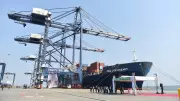
The Nigerian Ports Authority expresses deep concern as local importers and exporters fail to maximize Africa's deepest seaport, raising questions about economic priorities.

The Nigerian Medical Association escalates support for resident doctors as nationwide strike enters seventh day, crippling healthcare services in 91 hospitals amid unresolved demands.

Nigeria's once-thriving publishing sector, valued at N300 billion, faces collapse due to multiple challenges. Industry experts reveal how policy reforms could revive this crucial cultural and economic asset.
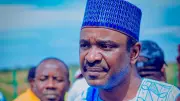
The Federal Government announces sweeping reforms for Nigeria's transport sector, focusing on transparency and potential unbundling of the Nigerian Railway Corporation to boost efficiency and economic growth.
The Nigerian Medical Association solidly supports resident doctors as their industrial action enters day six, paralyzing healthcare services nationwide while urgent negotiations continue.

First Bank of Nigeria Holdings Plc announces staggering N450.9 billion profit as it strategically positions itself for Central Bank of Nigeria's banking sector recapitalisation requirements.

Two prominent transport experts, Dr. Muyiwa Opeifa and Engr. Patrick Anyika, receive prestigious recognition from the Chartered Institute of Transport Administration of Nigeria for their outstanding contributions to transport education and development.

Nigerian Content Development and Monitoring Board reveals how prioritizing local content is transforming Africa's energy sector and creating sustainable growth opportunities.

The Federal Government announces historic decision to sell Nigeria's dormant refineries, marking a major shift in the nation's energy sector after decades of operational failures and financial losses.

Aliko Dangote's mega refinery triggers nationwide economic shift with dramatic diesel price reduction, offering relief to Nigerian businesses and consumers amid inflation pressures.

The Chidi Lota Foundation urges Nigerian government to strengthen free healthcare initiatives, highlighting critical gaps in maternal and child health services across the nation.

The Federal Government is considering selling the country's struggling refineries to private investors as part of a comprehensive strategy to revitalize Nigeria's oil and gas sector, increase competition, and achieve energy self-sufficiency.

Brussels unveils ambitious plan for high-speed rail network connecting all EU capitals by 2040, revolutionizing continental travel and boosting economic integration.
Standard Chartered Bank Nigeria has successfully met the Central Bank of Nigeria's ₦200 billion recapitalisation requirement, positioning itself as a leader in the new banking landscape.
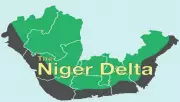
The Federal Government announces comprehensive plans to revolutionize water transportation in the Niger Delta with new routes, modern ferries, and enhanced safety measures to boost regional connectivity.

Dangote Refinery and its depots have significantly reduced petrol prices to ₦880.5 per litre, creating intense market competition and potential relief for Nigerian consumers.

In a dramatic market move, Dangote Petroleum Refinery has significantly reduced petrol prices, triggering a competitive battle that's transforming Nigeria's downstream oil sector and bringing relief to consumers.

Standard Chartered Bank Nigeria has successfully met the Central Bank's new ₦200 billion minimum capital requirement, positioning itself as a leader in Nigeria's banking sector transformation.

Federal Government mandates full financial transparency for all tertiary institutions starting Q1 2024. Universities, polytechnics, and colleges of education required to publish detailed annual financial statements publicly.

The Nigerian insurance sector witnesses a historic transformation as Dr. (Mrs.) Bola Onigbogi Ezeibe becomes the first female president of Nigerian Council of Registered Insurance Brokers, marking a significant milestone for gender inclusion in financial

Nigeria's private sector shows strongest growth in six months as business output and new orders surge, signaling economic recovery despite persistent inflation challenges.

Sterling Financial Holdings Company reports explosive 127% profit growth, reaching ₦21.8 billion as assets surpass ₦2.1 trillion in latest financial results.

New report reveals intra-African shipping costs remain the world's highest despite continental free trade agreement, hindering economic growth and regional integration.
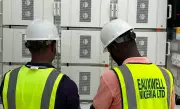
Discover how Nigeria's energy sector is shifting from foreign dependency to homegrown solutions, with local capacity building becoming the cornerstone of sustainable power development.

NARD gives federal government 72-hour deadline to address unpaid salaries and hazard allowances, threatening industrial action if demands aren't met.

Human Rights Writers Association urges President Tinubu, Attorney General, and IGP to remove unauthorized NURTW leadership and restore union democracy in Nigeria.

New data reveals Nigeria's top 10 banks by customer deposits, with Ecobank leading the pack. Discover which financial institutions Nigerians trust most with their money and the staggering amounts involved.