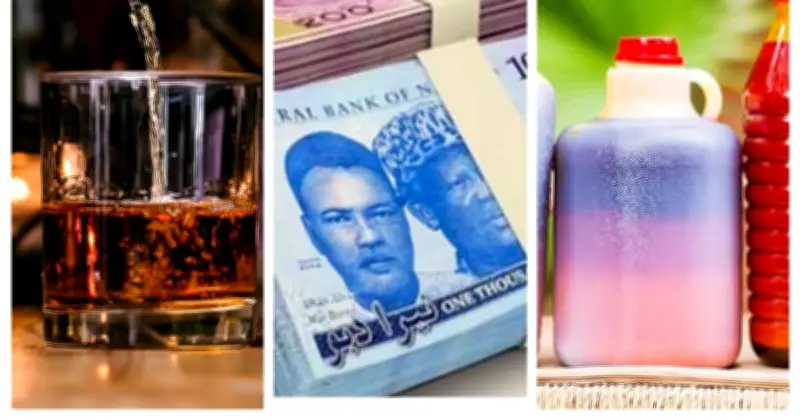
Traveling from Nigeria to the United States is an exciting prospect, but many travelers are unaware of the strict regulations enforced by U.S. Customs and Border Protection (CBP). Certain everyday Nigerian items, particularly food and traditional products, can be confiscated at airports and may even result in fines. To ensure a smooth journey and avoid unnecessary delays or penalties, here is a comprehensive guide on items you should never pack when flying to America.
1. Bushmeat and Wild Animal Products
Smoked bushmeat is strictly prohibited under U.S. federal law due to significant public health risks and conservation concerns. Do not pack bushmeat or any wild animal meat, including dried, smoked, or processed versions. Even if properly packaged, these items are likely to be confiscated. Additionally, avoid items made from wild animals, such as skins, bones, teeth, feathers, or trophies.
2. Fresh Meat, Fish, and Dairy Products
Many travelers mistakenly carry frozen or dried meat, fish, or dairy items, believing they are safe. However, fresh meat is generally not allowed, and some processed meat products face restrictions. Dairy products may be questioned or seized depending on packaging and inspection rules. The U.S. aims to prevent animal diseases from entering its food system, so inspectors are particularly strict with animal-based items.

3. Fresh Fruits, Vegetables, and Seeds
Simple items like mangoes, oranges, or vegetables from Nigeria should not be packed, as they can carry pests, insects, or plant diseases that threaten U.S. agriculture. Common restricted items include fresh fruits (mango, orange, pineapple), vegetables (ugu, okra, peppers), seeds and untreated grains, as well as soil or items with soil attached. All agricultural items must be declared, and many will be removed during inspection.
4. Homemade or Unlabeled Food Items
Packaged Nigerian snacks like biscuits or sealed noodles are usually acceptable, but homemade food is risky. Avoid packing homemade soups or stews, unlabeled food in containers, unsealed spices or powders, and food without ingredient lists. CBP officers need to clearly identify what you are carrying, and unclear packaging often leads to disposal.
5. Alcohol and Tobacco Beyond Limits
You are allowed limited amounts of alcohol and tobacco duty-free. Anything above 1 liter of alcohol must be declared, and you may still bring more but will likely pay duty taxes. For tobacco, you may bring up to 200 cigarettes (one carton), 100 cigars, or 200 grams of loose tobacco. Excess amounts must be declared or may be seized.
6. Certain Medications Without Prescription
Medication is a sensitive area. Do not pack drugs without prescription labels, loose tablets or unmarked medicine bottles, or large quantities not for personal use. Always carry medication in original packaging with a doctor’s prescription to avoid issues.
7. Soil, Plants, and Plant-Based Materials
This is one of the most overlooked restrictions. Avoid packing potted plants, seeds or seedlings, soil from Nigeria (even attached to shoes or items), and traditional plant materials not commercially processed. These items are tightly controlled due to the risk of pests entering U.S. agriculture.
8. Counterfeit or Fake Branded Goods
Many travelers do not realize that fake designer items can be confiscated. Avoid fake shoes, bags, clothing, counterfeit electronics or accessories, and goods that imitate luxury brands. Even if bought cheaply in markets, they may be seized at customs.
9. Certain Animal-Based Traditional Items
Some traditional Nigerian items can be problematic, especially those involving animal products. Examples include ivory or bone carvings, skins or fur items from wildlife, and cultural artifacts made from protected species. These require special permits, and many are not allowed at all.
10. Cash Above $10,000 (or Equivalent)
This is not a food item but is equally important. If you are traveling with more than $10,000 in cash or monetary instruments, you must declare it. Failure to do so can lead to seizure or penalties.

Final Thoughts
Traveling to the United States is straightforward when you understand the rules. Most problems at the airport occur not because travelers intend to break the law, but because they are unaware of strict CBP regulations. The safest approach is simple: when in doubt, declare it; avoid packing fresh, raw, or animal-based foods; and stick to sealed, labeled commercial products. A few minutes of checking before you travel can save you stress, fines, or losing your belongings at the airport.