AATF Attributes High Cassava Yields to GAP and Mechanization Adoption in Oyo State
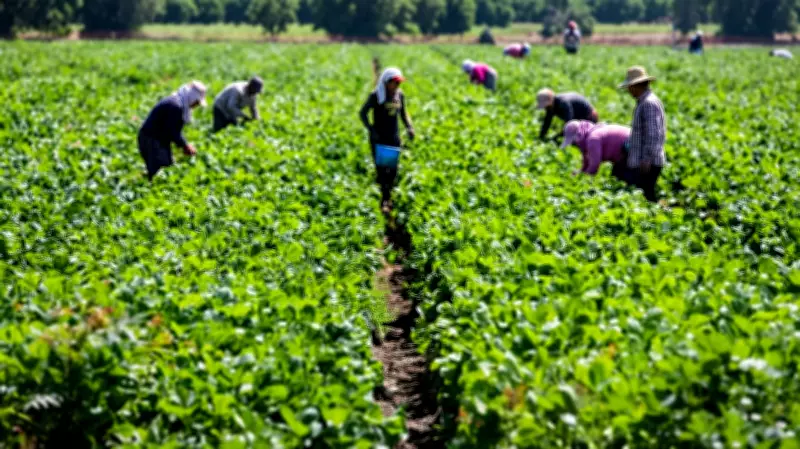
The African Agricultural Technology Foundation (AATF) has announced a significant breakthrough in agricultural productivity, attributing the high yields achieved by cassava farmers in Oyo State to the widespread adoption of Good Agronomic Practices (GAP) and mechanization. According to a statement released to journalists in Kaduna, farmers are now harvesting between 20 to 25 tons per hectare, effectively doubling their previous yields.
Transforming Low Productivity into High Yields
For years, cassava farmers across Oyo State labored tirelessly on their fields, yet their harvests barely reflected their efforts. Yields averaged a modest 10 to 12 tons per hectare, with some cases dropping as low as seven tons, trapping many farmers in a cycle of low productivity and modest incomes. However, AATF reports that this narrative is changing dramatically through a targeted training program focused on GAP and mechanization.
Samuel Ogunleye, AATF’s Cassava Mechanization Project Coordinator, emphasized that the training goes beyond theoretical knowledge. "It is about equipping farmers with the best practices for cultivating cassava and introducing mechanization services that make farming more efficient and profitable," he explained. The program is ambitious in both scope and impact, currently training 4,650 cassava farmers across seven local council areas in Oyo State, with a broader target to reach 6,000 farmers within three years.

Strategic Timing and Farmer Testimonials
The timing of the training is deliberate, according to Dr. Adeyemi Olojede of the National Root Crops Research Institute in Umudike, Abia State. Conducted during the farming "slack season" in March and April, it ensures farmers can fully participate and immediately apply the lessons as the new planting season begins.
For many farmers, the training has been transformative. Ogundiran Ganiyu, a retired teacher turned cassava farmer in Iseyin, recalled how a simple shift in land preparation changed everything. "Avoiding burning on farmland to preserve soil nutrients made a huge difference. I also learned to adopt improved cassava varieties sourced from research institutes such as IITA in Ibadan," he said.
Another farmer, Ismail Adekola Aremu, described the experience as eye-opening, highlighting practices like proper spacing techniques and tractor use. "What I learned here will improve my farming," he expressed with excitement about the future possibilities. Adeniji Elizabeth, who studied agricultural education, noted that the training reinforced her knowledge, emphasizing precise planting methods such as maintaining 1m by 0.8m spacing and proper land preparation as critical factors influencing yield. "If you follow these practices, cassava farming will bring increased income," she added.
Beyond Yields: Access to Markets and Value Addition
AATF officials stressed that the impact of the program extends far beyond increased yields. Farmers now have access to mechanization services, reducing the burden of manual labor and improving efficiency. More importantly, they are linked to an assured market through a processing facility that converts cassava roots into High-Quality Cassava Flour (HQCF). This guaranteed offtake eliminates the uncertainty that often plagues smallholder farmers.
The introduction of value-added training has also sparked excitement, especially among women, who see new opportunities to process cassava into flour and other confectionery products to generate additional income. Early results suggest that the initiative could deliver a 40–50 percent increase in yields over current averages, ensuring a steady supply of raw materials for processing factories while boosting household incomes.
"More importantly, it is igniting a shift in mindset. Farmers are no longer just producers; they are becoming agripreneurs, adopting innovations, embracing mechanization, and exploring new income streams," the statement concluded. This holistic approach is setting a new standard for agricultural development in Nigeria, promising sustainable growth and improved livelihoods for rural communities.