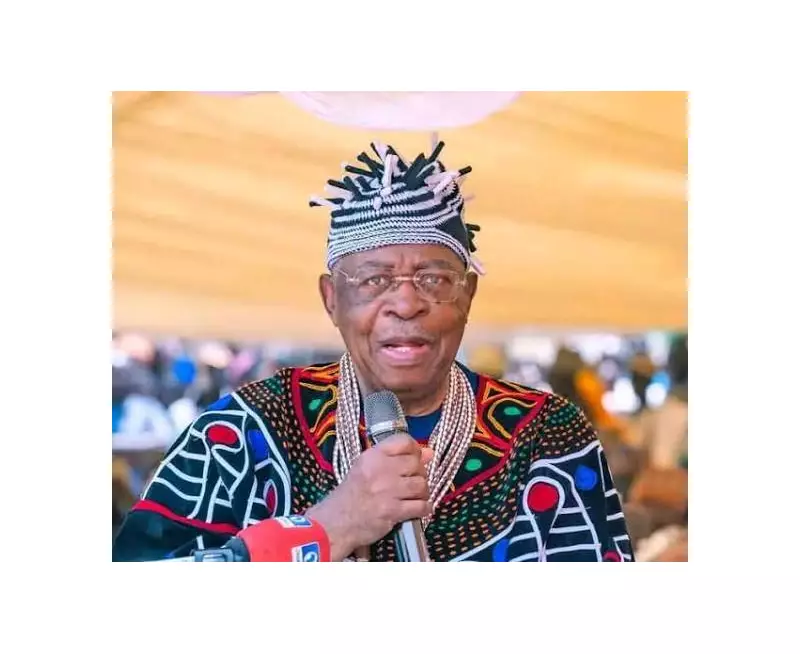
A prominent development advocate has publicly called on one of Nigeria's most respected elder statesmen, retired General Theophilus Yakubu Danjuma, to spearhead a major agricultural revolution in his home state. The appeal centers on transforming Taraba's vast but underutilized potential in cocoa and palm oil into a lasting engine for prosperity.
An Open Letter Highlights Stark Contradiction
In an open letter dated Tuesday, 13 January 2026, the Executive Director of the United Homeland Development Initiative (UHDI), Emmanuel Iranyang Yakubu, directly addressed General Danjuma. Yakubu outlined a pressing paradox: despite being endowed with enormous agricultural riches, Taraba State continues to grapple with widespread poverty and high youth unemployment.
The letter detailed the state's unique advantages, stretching from fertile southern lowlands to the highlands of the Mambilla Plateau. This geography provides extensive arable land ideal for key cash crops like cocoa, palm oil, coffee, and tea. Notably, Taraba is home to West Africa's only tea-producing belt, a feature that grants it significant strategic economic importance beyond Nigeria's borders.

Unlocking Wealth Currently Sitting Idle
Despite these natural gifts, the UHDI director pointed out that smallholder farmers in Taraba largely operate in isolation. They lack access to structured markets, modern processing facilities, and export-oriented value chains. This disconnect, he argued, traps communities in a cycle where they "sit on wealth they cannot convert into opportunity."
The appeal to General Danjuma, a renowned philanthropist and one of Taraba's most prominent figures, is for "catalytic support" to revive these specific agricultural value chains. Yakubu drew inspiration from global success stories, noting how palm oil fundamentally transformed Malaysia's economy and how cocoa has created generational wealth in parts of Africa and Latin America.
A Vision for Generational Change, Not Charity
The proposal frames cocoa and palm oil plantations as long-term economic assets. These investments could sustain families for generations, while also restoring degraded land and enhancing the state's climate resilience. The UHDI believes that even a single foundation-backed pilot project or a public endorsement from Danjuma could have a ripple effect.
Such a move could unlock broader investment, mobilize financial and educational institutions, and, most crucially, restore hope among Taraba's disillusioned youth. The initiative is explicitly framed as non-political. The letter concluded by stating, "This appeal is not political. It is generational," positioning it as a plea for strategic partnership and mentorship rather than mere charity.
At the time of this report, General Danjuma has not issued a public response to the appeal. The UHDI describes itself as a youth-led platform of community leaders and climate innovators. Their promoted plan aims to use cocoa and palm cultivation as dual engines for:

- Youth employment and rural wealth creation
- Climate-smart land restoration and agro-processing
- Export growth and peace-building in the region