Carter Bridge: The Historic Link That Shaped Lagos for 125 Years
Every day, thousands of vehicles navigate the congested routes of Lagos, with Carter Bridge serving as a vital artery connecting Lagos Island to the mainland. While many commuters experience it as just another busy crossing, this structure holds a remarkable 125-year history that mirrors the transformation of Nigeria's commercial capital from a colonial port to one of Africa's largest urban centers.
Colonial Origins and Early Construction
The story of Carter Bridge begins in 1895 during British colonial rule, when Lagos Island functioned as the administrative and commercial heart of the settlement. Government offices, trading houses, and bustling markets dominated the island, while mainland areas like Ebute Metta and Iddo expanded with railway development and residential growth. Transport between these two sides of the lagoon relied heavily on canoes and ferries, creating significant inefficiencies for trade and movement.
Recognizing this obstacle, the colonial administration initiated plans for a permanent link to boost commerce and strengthen connections. The bridge was named after Sir Gilbert Thomas Carter, Governor of the Lagos Colony from 1891 to 1901, and formed part of broader infrastructure modernization efforts. When completed in 1901, the original Carter Bridge represented a significant engineering achievement for its time.

Engineering Features and Early Impact
The initial structure differed substantially from what exists today. Constructed with steel and timber, it featured a unique swing section that could rotate to allow boats and trading vessels to pass through Lagos' busy waterways. This innovative design connected Iddo on the mainland directly to Idumota on Lagos Island, creating one of the city's earliest permanent road connections.
The bridge played a crucial role in supporting railway movement and reinforced Lagos' growing position as a West African trade hub. For decades, it served as the primary crossing point, witnessing the city's gradual expansion and increasing commercial activity.
Modern Reconstruction and Continued Importance
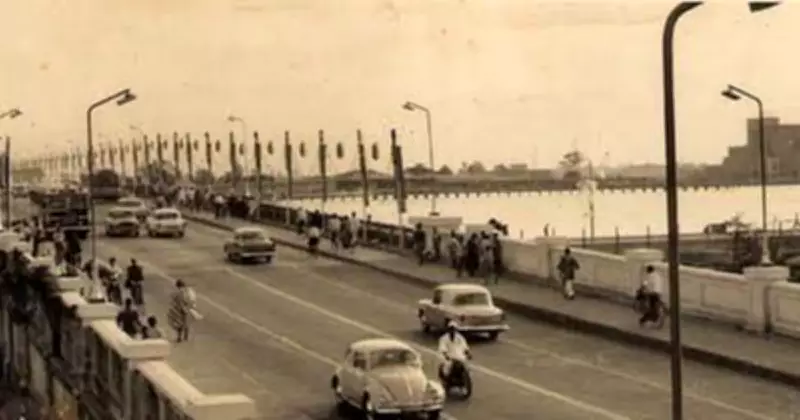
As Lagos grew through the twentieth century, traffic volumes increased dramatically. By the late 1960s and early 1970s, the original bridge could no longer handle the rising vehicle numbers moving between mainland and island. Authorities undertook a major reconstruction project, resulting in the modern Carter Bridge that was completed and commissioned in 1973.
The new structure was wider and stronger, designed to accommodate heavier traffic loads. Despite the construction of other major routes like the Third Mainland Bridge and Eko Bridge, Carter Bridge maintained steady daily traffic flows, remaining one of the principal connections between mainland districts and Lagos Island's commercial centers.
Recent Developments and Preservation Significance
Decades of continuous use eventually took their toll on the bridge's structural integrity. In 2025, the Ministry of Works declared the bridge unsalvageable, leading to President Tinubu's administration approving its demolition and reconstruction in March of that year. This decision represents more than just infrastructure renewal—it signifies the preservation of a core part of Nigeria's architectural and transportation history.
The 125-year-old Carter Bridge stands as a symbol of Lagos' century-long development and expansion. As a national edifice that served generations before Nigeria's independence and continued through the nation's growth, its reconstruction ensures this historic link will continue serving future generations while honoring its significant legacy in shaping Africa's largest city.