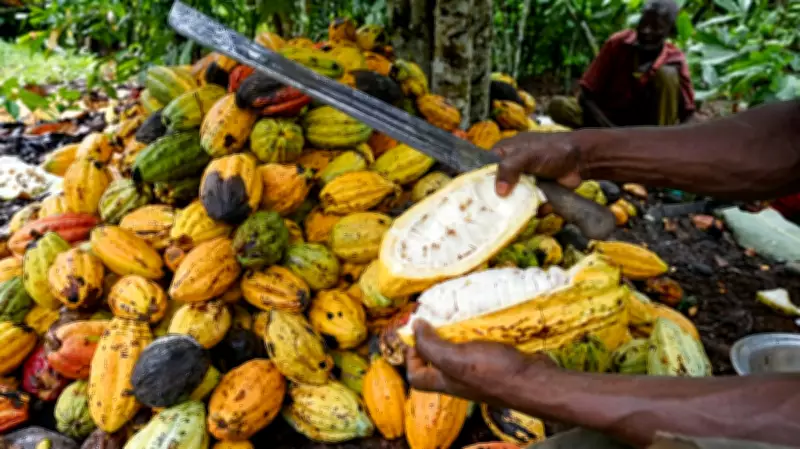
The Cocoa and Coffee Farmers Alliance Association of Africa (COCEFAAA) has officially signed a Memorandum of Understanding (MoU) with the Cocoa Research Institute of Nigeria (CRIN) to bolster the cocoa and coffee value chain and facilitate the implementation of the Nigeria Coffee Revival Initiative (NCRI).
Strategic Collaboration for Agricultural Development
According to a statement signed by the Global President of COCEFAAA, Comrade Adeola Adegoke, this strategic collaboration focuses on revitalizing coffee production and productivity in Nigeria. The partnership aims to achieve this through farmer empowerment, research-driven agricultural practices, improved planting materials, climate-smart agriculture, post-harvest quality improvement, and the establishment of commercial processing units.
Key Objectives of the MoU
Adegoke highlighted that the partnership will also support strengthening farmer livelihoods, job creation, and rural prosperity. It aims to expand Nigeria’s export portfolio, increase foreign exchange earnings, and implement traceability and seed-tracker technology. Additionally, the MoU includes capacity building for farmers and extension agents, as well as the establishment of demonstration plots and irrigation pilot projects.

Alignment with National Agenda
The initiative aligns with the Renewed Hope Agenda of President Bola Ahmed Tinubu, particularly in advancing agriculture, food security, and economic diversification in Nigeria. This collaboration underscores a commitment to sustainable agricultural development.
Collaborative Framework
Based on the MoU, COCEFAAA and CRIN will work closely with cocoa and coffee-producing states, research institutions, NGOs, academia, and key industry stakeholders. The goal is to build a more sustainable and competitive cocoa and coffee sector in Nigeria and across Africa.
Impact on Africa’s Value Chains
This initiative marks an important step toward strengthening Africa’s coffee and cocoa value chains through research, sustainability, innovation, and farmer-centered development. It is expected to drive significant positive change in the agricultural landscape.