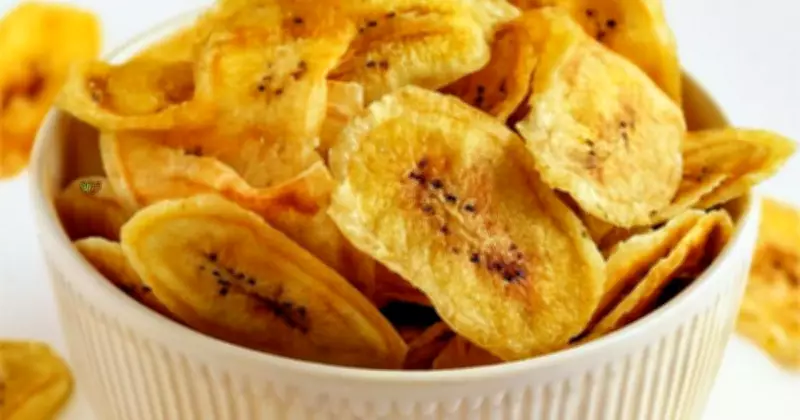
The Hidden Dangers of Plantain Chip Frying: Health Risks in West Africa
Plantain chips have become an ubiquitous snack across West Africa, particularly in Nigeria, where they are consumed daily by millions. Found everywhere from roadside stalls to supermarkets, these crunchy treats are sealed in plastic bags with thin staple pins and come in various flavors—salted, sweet, or spicy enough to make your eyes water. However, behind this simple and affordable snack lies a frying process that, when conducted improperly, can quietly become dangerous to consumers and vendors alike.
What Really Happens During Plantain Chip Frying
The process of making plantain chips appears straightforward: slice unripe plantains thinly, heat oil, and fry until crisp. Yet, this simplicity masks significant risks. Typically, the oil is heated to extremely high temperatures, often between 170°C and 190°C (338°F–374°F). At these levels, the oil begins to break down, especially when reused repeatedly. In many small-scale frying operations, the same oil is utilized again and again, sometimes for days. Each reheating cycle chemically alters the oil, causing it to oxidize, thicken, and darken, producing harmful compounds linked to serious health issues.
Among these compounds are aldehydes, substances formed when cooking oils degrade under heat. Research in food science indicates that high levels of aldehydes may contribute to cardiovascular disease and other long-term health problems when consumed regularly. Warning signs in the frying pot include darker oil, surface foam, and a slightly bitter smell, but these are often ignored in busy production environments.

The Danger of Reused Cooking Oil
While reusing cooking oil is not inherently unsafe—restaurants worldwide do it—there are critical limits. When oil is heated repeatedly, especially beyond its smoke point, it forms harmful byproducts such as trans fats and polymerized compounds. These substances have been linked to inflammation and heart disease. According to health guidance from the World Health Organization, diets high in industrially produced trans fats increase the risk of coronary heart disease and other cardiovascular issues.
In informal food markets, it is not unusual for vendors to use the same oil ten or fifteen times to manage costs. The chips may still appear golden and crunchy, but the oil undergoes changes that are not fully detectable by the eye, posing hidden health risks to consumers.
Poor Oil Storage and Contamination
Another overlooked aspect of the frying process occurs after cooking stops. Used oil is often stored in large containers for reuse the next day. If these containers are not properly sealed or cleaned, contaminants such as dust, food particles, and moisture can enter the oil. Water trapped in oil can cause violent splattering upon reheating, while food particles burn during reheating, accelerating oil breakdown and producing additional harmful compounds. This small detail significantly impacts the safety of the entire frying process.
When Heat Changes the Food Itself
Plantains are naturally rich in carbohydrates, and when fried at high temperatures, they undergo the Maillard reaction, which gives fried foods their brown color and complex flavor. However, under certain conditions, especially when starchy foods are cooked at very high temperatures, a compound called acrylamide can form. The International Agency for Research on Cancer classifies acrylamide as a probable human carcinogen, and it is found in foods like potato chips, French fries, and other fried starches.
Plantain chips can also produce acrylamide, depending on frying temperature and duration. While occasional consumption may not be dangerous, consistently eating foods cooked under extreme frying conditions can increase long-term exposure to this harmful substance.
Why the Practice Continues
Despite these risks, plantain chip frying remains a major small-scale business across West Africa due to practical reasons. Plantains are widely available, startup costs for frying are relatively low, and demand for the snack is steady. For many vendors, it is a primary source of income. Although health regulations exist, enforcement can be limited in informal markets, allowing the practice to continue with each batch of chips fried in bubbling oil.

Safer Ways to Fry Plantain Chips
The risks associated with plantain chip frying can be reduced through relatively simple practices. Vendors should use fresh oil more frequently rather than stretching one batch too long, avoid heating oil beyond its smoke point, and filter out food particles before reusing oil. Better ventilation helps reduce exposure to cooking fumes, and for larger-scale production, temperature-controlled fryers can maintain oil within safer limits. While these changes do not eliminate every risk, they significantly lower it, promoting healthier snack options for consumers.