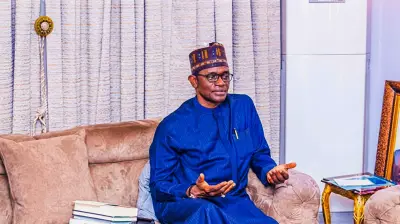
Former Minister of Power, Chinedu Nebo, has expressed confidence that uninterrupted electricity in Nigeria's South-East region is achievable through the adoption of clean coal technology. Speaking at the South-East Electricity Summit in Enugu, Nebo highlighted that the region continues to suffer from inconsistent power supply from the national grid, forcing many homes and businesses to rely heavily on costly diesel and petrol generators.
Coal as a Reliable Alternative
Nebo argued that coal-fired power offers a dependable alternative because it can generate steady, base-load electricity without the interruptions often associated with solar energy or the seasonal limitations of hydropower. He stated, "Coal can deliver steady electricity for both households and industries. With clean coal technology, 24-hour power supply is achievable." According to him, modern clean coal technology makes it possible to achieve round-the-clock electricity supply while maintaining environmental standards.
Economic and Energy Security Benefits
Nebo also emphasized that coal could strengthen energy security by reducing reliance on gas-powered plants, which are frequently affected by pipeline vandalism. He noted that the South-East's proximity to coal deposits would cut transportation costs and make power generation more efficient. A stable electricity supply, he added, could unlock growth in key industries such as cement production, ceramics, steel manufacturing, and agro-processing—sectors that depend heavily on consistent power. The Enugu State government had earlier disclosed plans to generate around 1,000 megawatts of electricity from coal as part of efforts to address power shortages.

Proposed Steps to Achieve 24/7 Power
To turn this vision into reality, Nebo recommended several actions. These include reassessing coal reserves, digitizing geological data to attract investors, rehabilitating existing mines, addressing environmental concerns, and building power plants close to mining sites. He further suggested launching a pilot coal power project with a capacity of 300 megawatts within two years, alongside integrating clean coal technology into the region's broader industrial strategy.
Regulatory Support and Reforms
In his remarks, the Chairman of the Enugu State Electricity Regulatory Commission, Chijioke Okonkwo, represented by Rueben Okoye, emphasized that electricity access remains a major hurdle for development in Nigeria. He noted that more than 90 million Nigerians still lack power, the highest figure in sub-Saharan Africa. Okonkwo added that recent reforms, including the Electricity Act 2023 and the Enugu State Electricity Law, have opened the door for states to play a more active role in improving electricity supply.
AEDC Unveils Plan for Near 24-Hour Power
Meanwhile, the Abuja Electricity Distribution Company announced plans to drastically cut blackouts and deliver significantly improved electricity supply across four states by 2027. The states expected to benefit from the upgrade are the Federal Capital Territory, Niger, Kogi, and Nasarawa. The company’s Chief Executive Officer, Engr. Chijioke Okwuokenye, disclosed the plan during a stakeholder engagement in Abuja.