FBRA Tasks National Assembly on Plastic Waste Recycling Strategy
The Food and Beverage Recycling Alliance (FBRA) has called on the National Assembly to focus on enhancing recycling infrastructure rather than imposing an outright ban on single-use plastics. The Alliance cautioned that a hastily implemented prohibition could jeopardize both environmental progress and economic stability in Nigeria.
Presentation to House Committee
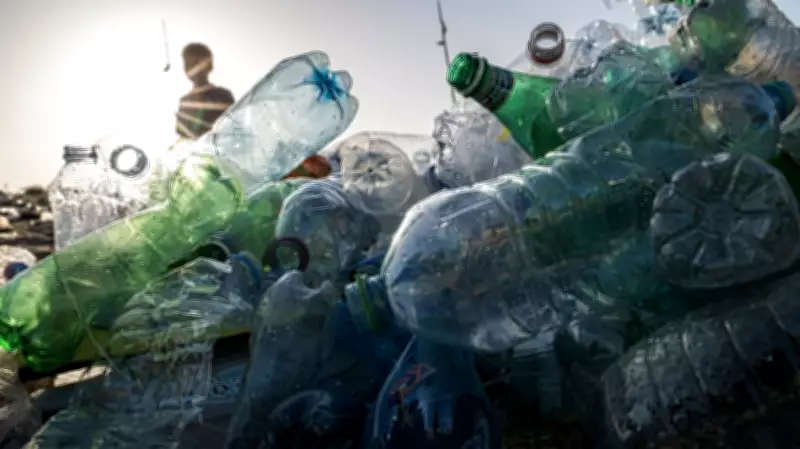
FBRA presented its stance before the House of Representatives Ad-Hoc Committee on Preparedness for the Single-Use Plastics Ban in Abuja. The group argued that Nigeria's plastic pollution issue stems not primarily from plastic packaging itself, but from inadequate collection, segregation, recycling systems, and poor disposal practices.
Citing data from the United Nations Industrial Development Organisation, FBRA noted that Nigeria produces approximately 2.5 million tonnes of plastic waste annually, while waste management infrastructure remains severely underdeveloped. The Alliance emphasized that addressing these systemic gaps is crucial for effective waste reduction.

FBRA's Achievements and Investments
Since its establishment in 2018, FBRA has recovered over 117,000 tonnes of post-consumer packaging, set up 16 collection centers across Nigeria's six geo-political zones, and engaged with more than 200 communities nationwide. The Alliance highlighted a closed-loop recycling system for PET bottles in Lagos, which has contributed to measurable reductions in plastic leakage.
FBRA member companies have collectively invested over N1.3 billion in plastic waste collection infrastructure, with the broader sector committing more than N3 trillion towards recycling facilities. The Alliance warned that an abrupt ban could render these investments obsolete and hinder progress in building necessary infrastructure.
Alignment with Legislative Views
The Alliance's position aligns with perspectives expressed at the hearing. The Speaker of the House of Representatives, through a representative, advocated for a structured transition, while Committee Chairman Terseer Ugbor stressed the need for reforms balancing environmental sustainability with economic realities.
Proposed Circular Economy Framework
FBRA proposed a circular economy framework based on three key strategies:
- Reducing material use through packaging optimization.
- Promoting reuse systems to extend product life cycles.
- Expanding recycling via stronger take-back schemes and investment in recovery facilities.
Socio-Economic Concerns
The Alliance raised alarms about the potential socio-economic impact of a ban, noting that beyond 25,000 direct jobs in the plastics sector, over three million indirect livelihoods in logistics, informal waste collection, aggregation, and recycling could be at risk. Waste collectors and aggregators, vital to Nigeria's recycling chain, might lose their primary income sources without a structured transition plan.
Call for a Just Transition
FBRA Executive Director Agharese Onaghise advocated for a just transition that acknowledges current infrastructure limitations while setting clear, achievable future targets. What we are asking for is a just transition, one that is honest about where Nigeria's infrastructure is today, sets clear and achievable targets for where it needs to be, and invests in building the systems that will make those targets real, she stated.
Onaghise emphasized that this approach is essential to deliver genuine environmental benefits without destroying millions of livelihoods. She also appealed for increased investment in research to identify sustainable packaging alternatives suitable for the food and beverage sector.
Recommendations for Policy
FBRA recommended:

- A phased national roadmap to 2040 aligned with Nigeria's Circular Economy Roadmap (2024).
- Introduction of mandatory recycled-content requirements.
- Integration of informal waste collectors into a formal Extended Producer Responsibility (EPR) framework.
- Creation of a transition finance facility supported by concessional funding.
The Alliance commended existing regulatory efforts, such as the National Guidelines for EPR Implementation on Packaging (2025), and called for sustained stakeholder engagement to accelerate enforcement. FBRA maintained that a recycling-led strategy offers a more practical and inclusive pathway to tackling Nigeria's plastic pollution challenge than an outright ban.