The Federal Government has taken a major step to transform Nigeria's livestock sector with the official opening of two key facilities in Sokoto State.
Strategic Investment for Economic Growth
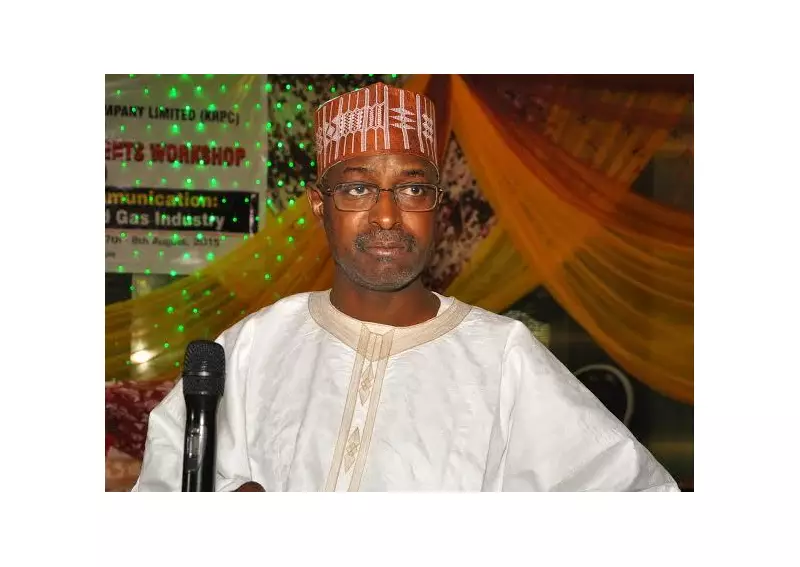
On 9 January 2026, the Minister of Livestock Development, Idi Mukhtar Maiha, inaugurated the Livestock Development Service Centre and the Artificial Insemination and Breed Multiplication Centre. Minister Maiha described the projects as strategic investments aimed at stimulating rural economies and expanding agribusiness value chains in urban areas.
He emphasized that this initiative is central to the government's plan to make livestock production a key driver for economic growth, job creation, and national food security. Modernising the sector is expected to raise incomes for pastoralists and farmers while creating new opportunities for processors, marketers, and service providers in cities.

Dual-Purpose Facilities for Sector Transformation
The newly commissioned centres have distinct but complementary roles. The Livestock Development Service Centre will act as a one-stop hub offering veterinary services, livestock training, breed improvement programs, and youth empowerment initiatives.
Its counterpart, the Artificial Insemination and Breed Multiplication Centre, is designed to enhance livestock genetics. This will directly lead to improved meat and dairy yields, supporting the growth of commercially viable livestock enterprises across the country.
Broader Impact and Partnerships
Minister Maiha explained that strengthening the entire livestock value chain will help reduce post-harvest losses, stabilise food supply to urban markets, and cut down dependence on imports. This aligns with Nigeria's broader economic diversification agenda.
The projects are part of a national strategy to build a network of livestock service centres focused on disease control and sustainable production. Maiha commended the World Bank for its support through the Livestock Development Programme, noting that such partnerships are vital to bridging infrastructure gaps.
"Our goal is to build a livestock economy that connects rural production to urban markets, creates decent jobs for young people and delivers value across the supply chain," Maiha stated.
Stakeholders Applaud Federal Intervention
The National Coordinator of the Livestock Development Programme, Dr. Muhammad Sanusi, highlighted that improved access to modern services would boost productivity and attract private investors and agribusiness firms.
Sokoto State Governor, Ahmad Aliyu, welcomed the federal intervention, stating it would complement the state's own agricultural reforms. He also stressed that improved security and efforts to curb banditry are crucial for protecting investments and sustaining livestock production in the region.