Stakeholders in Nigeria's agriculture and food systems have pinpointed weak cold chain infrastructure and inadequate food preservation as primary factors driving food inflation, seasonal scarcity, and extensive post-harvest losses nationwide. These insights were shared during the 11th International Trade Show and Conference hosted by Fairtrade Messe at the Landmark Centre in Lagos.
Logistics and Preservation: The Core Issues
Alexander Isong, President of the Organisation for Technology Advancement of Cold Chain in West Africa (OTACCWA), emphasized that Nigeria's food security challenges stem largely from logistics and preservation shortcomings rather than a deficit in production. He noted that the country produces substantial volumes of food daily but continues to face scarcity and rising prices because much of the produce fails to reach markets in optimal condition.
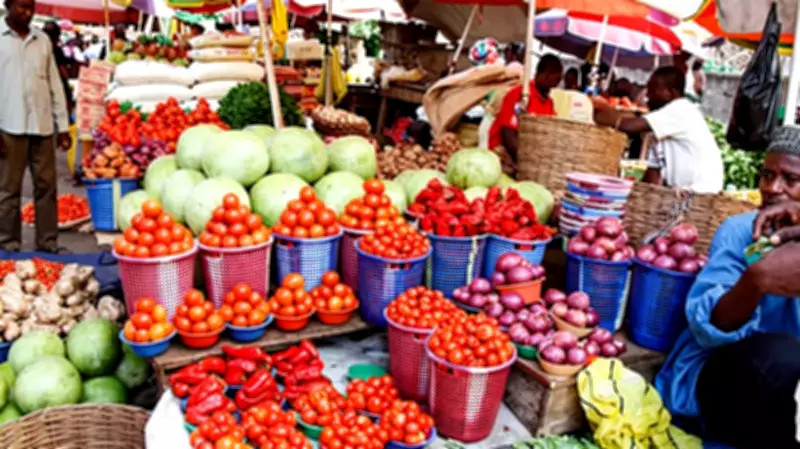
Isong highlighted alarming statistics, revealing that Nigeria loses between 30 and 40 percent of its food annually. For fruits and vegetables, post-harvest losses can soar as high as 60 percent due to inadequate storage and transportation systems. He added that less than five percent of food in the country is transported under temperature-controlled conditions, leading to massive waste throughout the supply chain.

Infrastructure Deficiencies and Consumer Impact
The lack of cold storage facilities, weak logistics networks, and limited refrigerated transportation prevent food from arriving in cities in good condition, directly contributing to higher prices for consumers. Isong stressed that investing solely in agricultural production without bolstering preservation and distribution infrastructure will only perpetuate waste and exacerbate food insecurity.
Global Hunger Crisis and African Context
Francis Meshioye, Chairman of the Manufacturers Association of Nigeria (MAN), underscored that Africa remains at the epicenter of the global hunger crisis. He pointed out that approximately 733 million people worldwide face hunger, with a significant portion residing on the continent.
Meshioye advocated for Africa to harness its agricultural potential by strengthening value chains to enhance food availability. He called for increased support for smallholder farmers, reduction of post-harvest losses, and promotion of value addition rather than exporting agricultural commodities in raw form.
The conference concluded with a consensus among stakeholders that addressing Nigeria's food inflation and scarcity requires urgent investments in cold chain infrastructure and improved preservation techniques to mitigate waste and stabilize food prices.