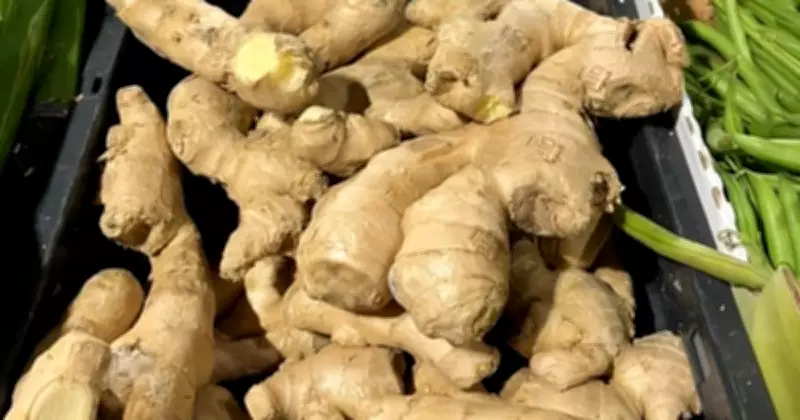
Nigeria is experiencing a severe ginger shortage, with prices skyrocketing after a fungal disease devastated major farming regions. This crisis has forced many Nigerians to seek alternatives for everyday cooking. Here are five ingredients that can effectively replace ginger in your kitchen.
The Ginger Crisis in Nigeria
Ginger has become increasingly scarce in Nigerian markets, and the small quantities available are priced exorbitantly. The root cause is a fungal blight disease, specifically tuber rot, which has ravaged ginger farms in key producing areas like Southern Kaduna, destroying up to 90 percent of crops in some locations.
By the end of 2025, Nigeria's ginger exports had plummeted to zero from N26.2 billion just three years earlier, due to the persistent fungal disease and soaring production costs that priced local farmers out of the international market. At the retail level, a bag of ginger that once sold for under N50,000 has in some markets climbed to as high as N780,000.

For a spice that is essential in dishes like pepper soup, tea, and stews, its absence is significant. However, Nigerian cooking has always embraced improvisation, and there are viable alternatives. Here are five substitutes that work well.
Cloves
Cloves are arguably the closest match to ginger in terms of warmth and aroma. Both spices share similar heat profiles and health benefits, including aiding digestion, fighting inflammation, and easing nausea. The key difference is potency; cloves are far more concentrated, so you only need a fraction of the quantity to achieve a similar depth of flavor. Use them in teas, stews, and rice dishes, but use sparingly as a little goes a long way.
Cinnamon
Cinnamon brings a warm, slightly sweet heat that fits naturally into the spaces ginger usually occupies. It works well in baked goods, teas, and slow-cooked stews, and offers health benefits such as blood sugar balance and anti-inflammatory properties. It is slightly less sharp than ginger, so if you need a peppery edge, pair it with a pinch of black pepper.
Black Pepper
Black pepper is likely already in your kitchen, making it the most practical substitution. It shares ginger's pungency and digestive benefits, though through a different active compound (piperine rather than gingerol). The one thing it lacks is ginger's citrusy sweetness, so for the fullest flavor match, add a touch of nutmeg alongside it.
Turmeric
If you cook soups and curry-flavored foods often, turmeric is an excellent choice. It brings an earthy warmth and richness that works beautifully in dishes, and its anti-inflammatory properties are well-documented. The visual difference is obvious; turmeric will color your food a deep golden yellow, but in terms of flavor depth and health value, it holds its own as a ginger replacement.
Star Anise
Star anise is an underused spice in this context. It carries warm, sweet, and slightly spicy notes that work particularly well in slow-cooked dishes, soups, and stews, which are exactly the types of cooking where ginger usually excels. The flavor is more herbal with a hint of licorice, so it changes the taste of a dish slightly, but in a way that often enhances it rather than detracts.
Ginger may eventually return to Nigerian kitchens in full force, but until the blight is properly addressed and supply recovers, these five alternatives are worth keeping close.