High Operational Costs Ground 80% of Nigeria's Fishing Fleet, Endangering 10,000 Jobs
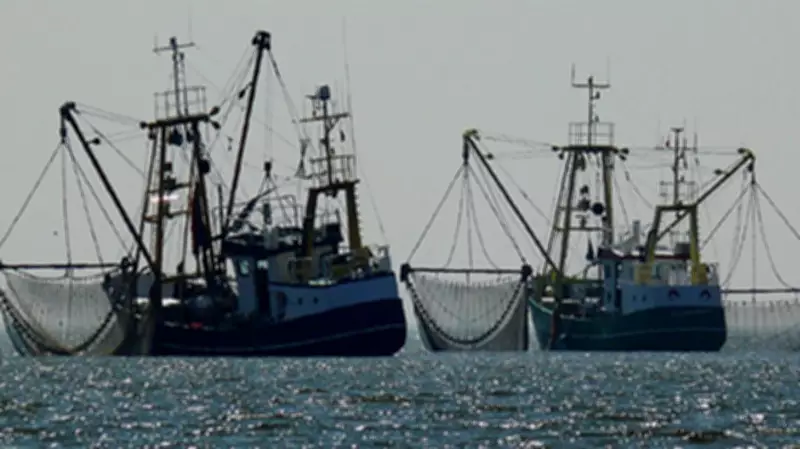
The Nigerian fishing industry is facing a severe crisis as escalating operational expenses have forced over 80 percent of fishing vessels to remain docked, putting approximately 10,000 jobs in jeopardy. Industry stakeholders, including the Nigerian Trawlers Owners Association (NITOA) and the Fisheries Cooperatives Federation of Nigeria, are urgently appealing for government assistance to address the unsustainable rise in fuel costs that is crippling operations.
Sharp Decline in Fish Supply and Rising Market Prices
A recent inspection of the Ijora Fish Market in Lagos revealed a significant reduction in the volume of fish supplied by local trawlers, leading to widespread scarcity and sharp price increases for the commodity. This situation is directly linked to the surging costs of diesel and petrol, which are essential for powering fishing vessels across both artisanal and industrial segments of the sector.
Oladele Robinson, the National Executive Secretary of the Fisheries Cooperatives Federation of Nigeria, highlighted that operators in the artisanal sector depend on Premium Motor Spirit (PMS) for their boats, while industrial operators rely on diesel for trawlers. He explained that many vessels are deployed without securing enough catch to justify the high fuel expenses, making continued operations financially unviable.

Unsustainable Fuel Costs and Operational Challenges
Sources from NITOA's office in the Kiri-Kiri area of Lagos reported that the price of Automated Gas Oil (AGO), used to power fishing vessels, has skyrocketed by over 100 percent. Previously, diesel was available at around N900 per litre, but current prices range between N1,800 and N2,000 per litre. This drastic increase has made it economically impossible to sustain fishing trips, with operators opting to keep their trawlers at the jetty to avoid further losses.
One source detailed that a typical 50-day fishing expedition under these conditions would result in substantial financial deficits. "Operational costs have far exceeded what companies can manage," the source stated. "That's why trawlers are being brought back to harbour instead of remaining at sea and accruing more losses."
Implications for Food Security and Employment
The grounding of fishing vessels poses a serious threat to Nigeria's food security, as it reduces the domestic supply of fish and other seafood, driving up prices and increasing reliance on imports. Moreover, the crisis endangers nearly 10,000 jobs across the fishing value chain, including direct roles for seafarers and indirect employment in related industries.
The NITOA source warned, "If vessels are not operational, where will the seafarers go? These vessels are meant to be at sea, not tied up at the harbour. Without immediate government intervention, close to 10,000 jobs are at risk, impacting both direct and indirect labour." This underscores the urgent need for policy measures to stabilize fuel prices and support the struggling sector.