Nigeria Announces Comprehensive Export Ban on Key Commodities Effective 2026
The Federal Government of Nigeria has unveiled a significant new export policy that will take full effect starting in the year 2026. This directive specifically lists eight critical items that will no longer be permitted to leave the country, encompassing a diverse range from essential agricultural produce to invaluable cultural artifacts. Government officials have clarified that this strategic move is primarily aimed at protecting and bolstering local industries, preserving Nigeria's rich cultural heritage, and rigorously safeguarding endangered wildlife species.
Detailed Breakdown of the Prohibited Export Items
The newly released list by the Federal Government outlines the specific commodities that will face export restrictions. This policy is designed to ensure food security, promote local value addition, and conserve national resources for future generations.
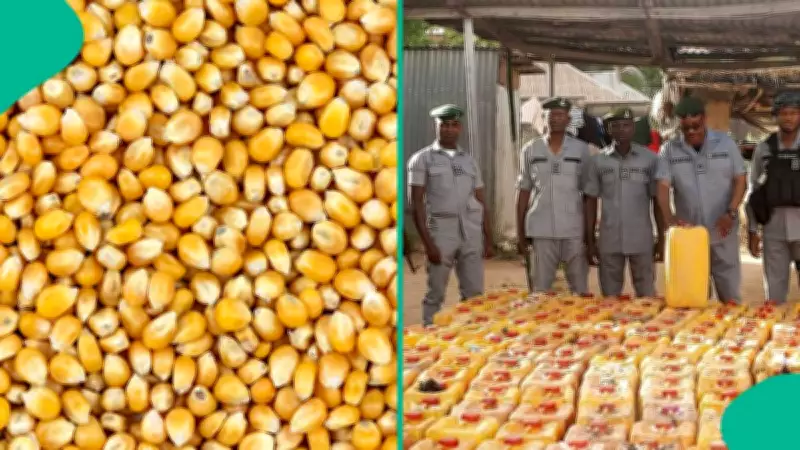
Maize Export Restrictions: Maize has been prominently included in the list of restricted agricultural items. The government's decisive action is expected to directly ensure greater food security and stabilize local supply chains for robust domestic consumption, reducing dependency on external markets.

Timber Export Prohibition: All forms of timber, whether in rough or sawn condition, will no longer be allowed for export. This environmental and economic measure is strategically designed to curb rampant deforestation and actively encourage local processing industries to add substantial value before any distribution.
Raw Hides and Skins Ban: Raw hides and skins, including specific categories like Wet Blue and all unfinished leather under H.S. Codes 4101.2000.00 to 4108.9200.00, are strictly prohibited from export. The core aim here is to vigorously promote Nigeria's burgeoning leather industry by ensuring that these vital raw materials are processed domestically.
Scrap Metals Export Curb: Scrap metals have also been placed on the restricted list. By limiting their export, the government hopes to provide strong support to local manufacturing and recycling industries, fostering a more circular and sustainable economy.
Unprocessed Rubber Latex Restrictions: Unprocessed rubber latex and rubber lumps will face export bans. This policy is anticipated to significantly boost Nigeria's rubber processing sector and create more employment opportunities locally, enhancing industrial capacity.
Artifacts and Antiquities Protection: Cultural artifacts and antiquities are strictly prohibited from export to preserve Nigeria's immensely rich cultural heritage. This crucial measure will help prevent illegal trade and the irreversible loss of historical national treasures.
Endangered Wildlife Species Safeguard: Wildlife animals classified as endangered species, along with all their derived products, are emphatically prohibited. Examples explicitly mentioned include crocodile, elephant, lizard, eagle, monkey, zebra, and lion. This step reinforces Nigeria's commitment to biodiversity conservation and adherence to international wildlife protection agreements.
Strategic Rationale and Broader Implications
The Federal Government's comprehensive decision reflects a much broader national strategy to strengthen local industries, protect the environment, and preserve Nigeria's unique cultural identity. By retaining these items within the country, Nigeria aims to add significant value through advanced local processing and safeguard precious resources for future generations. The full detailed list is officially available on the Federal Government's Nigeria Trade Portal for public access and verification.

This export ban announcement follows a previous policy where the government also released a detailed list of items prohibited from being imported into Nigeria in 2026. That earlier announcement covered a wide range of goods, including specific food products, with the parallel aim of protecting local industries and encouraging robust domestic production. For instance, it included a ban on importing live or dead birds, including frozen poultry, under specific H.S. codes. These combined import and export policies illustrate a cohesive approach to economic management and industrial development.
The overarching goal is to create a more self-sufficient economy, reduce import dependency, and build resilient local supply chains that can withstand global market fluctuations. Officials emphasize that these measures are not merely restrictive but are proactive steps towards sustainable development and long-term economic prosperity.