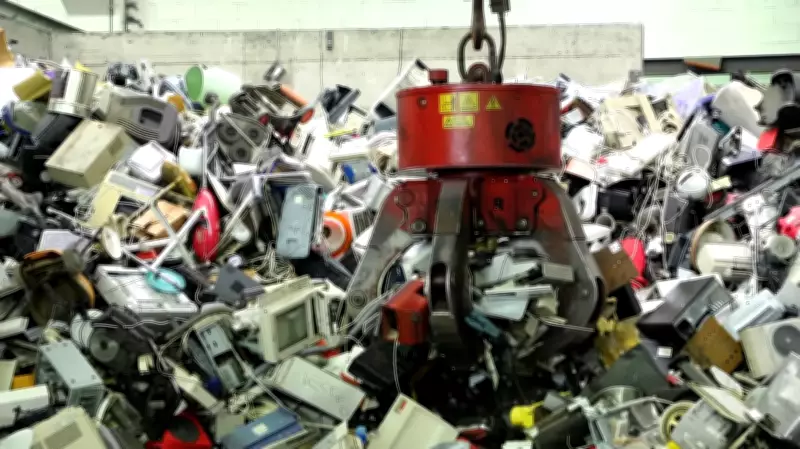
Global Waste Crisis Intensifies as Nigeria and Others Produce 2.3 Billion Tonnes Yearly
The United Nations has issued a stark warning, calling for enhanced global waste management systems and a transition toward sustainable consumption and production patterns to combat the escalating waste pollution crisis. The world is currently struggling with an increasing waste burden fueled by unsustainable consumption habits, with an estimated 2.3 billion tonnes of municipal solid waste generated annually. Without immediate action, this figure is expected to surge to 3.6 billion tonnes by 2050, posing severe environmental and health threats.
Food Waste: A Major Environmental and Climate Challenge
Food loss and waste remain a critical environmental and climate issue, accounting for up to 10 per cent of global greenhouse gas emissions. This is nearly five times the emissions from the aviation sector and contributes up to 14 per cent of global methane emissions. Experts argue that addressing food waste is among the most cost-effective climate solutions, particularly through zero-waste approaches that emphasize prevention, resource efficiency, and systemic reform.
Despite widespread hunger affecting millions globally, more than one billion tonnes of food is wasted each year, representing around 19 per cent of food available to consumers, with an additional 13 per cent lost between harvest and retail. Households are the largest contributors, accounting for 60 per cent of food waste, followed by the food service sector at 28 per cent and retail at 12 per cent. Alarmingly, households alone discard more than one billion meals daily.

Nigeria's Waste Management Crisis
In Nigeria, the situation mirrors the global crisis. The country generates more than 32 million tonnes of municipal solid waste yearly, yet less than 40 per cent is collected. This gap in waste management has led to widespread environmental pollution and serious public health risks. Improper disposal practices have degraded air, water, and soil quality, while also increasing greenhouse gas emissions and intensifying plastic pollution, particularly in coastal communities.
Food losses in Nigeria are estimated at between N3.5 trillion and N5 trillion annually due to inefficiencies across the value chain. According to Alexander Isong, President of the Organisation for Technology Advancement of Cold Chain in West Africa, the country loses between 30 and 40 million metric tonnes of food yearly, especially perishables like tomatoes, fruits, vegetables, dairy, meat, and fish.
International Day of Zero Waste and Global Initiatives
These issues were highlighted during this year's International Day of Zero Waste, themed "Food Waste: Towards Sustainable Consumption and Production," which focuses on reducing food waste as a pathway to environmental protection, economic stability, and resilient communities. Established through a United Nations General Assembly resolution led by Türkiye and supported by over 100 member states, the day is coordinated by the United Nations Environment Programme (UNEP) and UN-Habitat to promote global awareness and action on waste reduction.
United Nations Secretary-General António Guterres called for urgent cross-sectoral action, noting that small behavioral changes by consumers could significantly reduce food waste. Inger Andersen, Executive Director of UNEP, warned that the crisis carries severe economic and environmental consequences, especially amid accelerating climate change, deforestation, water scarcity, and rising food prices. Anacláudia Rossbach, Executive Director of UN-Habitat, emphasized the need for cities to adopt integrated systems that recover surplus food and convert organic waste into compost or energy.

Nigeria's Commitment to a Zero-Waste Future
In an event in Abuja to commemorate the day, Nigeria's Minister of Environment, Balarabe Lawal, reiterated the Federal Government's commitment to a zero-waste future. He highlighted efforts to reduce food loss, promote circular economy solutions, and strengthen sustainable food systems. Lawal stressed the importance of behavioral change and public awareness, urging farmers to adopt improved storage technologies and businesses to enhance inventory and distribution systems.
Globally, progress is emerging through initiatives such as the "20 Cities Towards Zero Waste" programme, which recognizes cities adopting innovative circular economy practices. As the waste crisis deepens, coordinated efforts at local, national, and international levels are crucial to mitigate its impacts and build a more sustainable future.