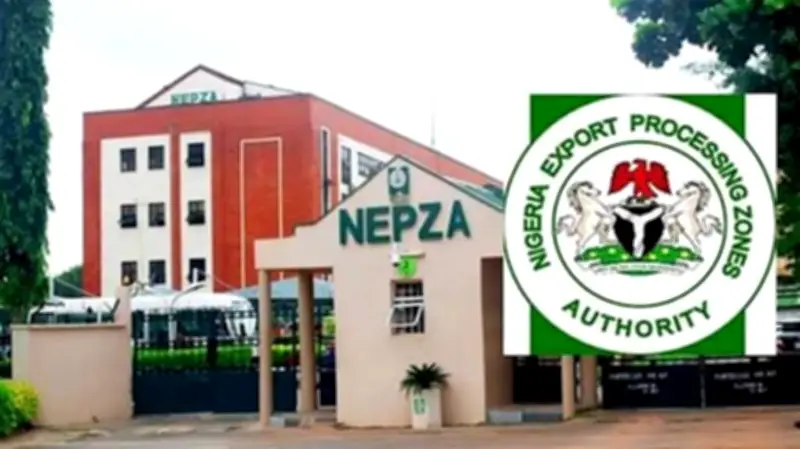
Nigeria’s Free Trade Zone scheme has spurred economic activity worth approximately $33 billion, accommodating over 900 businesses and generating more than 100,000 jobs, both direct and indirect. Experts said these feats underscore the increasing significance of special economic zones in Nigeria’s industrial development.
In addition, about 900 enterprises, 63 licensed zones and 40 operational zones have also been created. The Managing Director and Chief Executive Officer of the Nigeria Export Processing Zones Authority (NEPZA), Dr Olufemi Ogunyemi, disclosed this in Abuja yesterday at the launch of two books by former Director of NEPZA, Dr Chris Ndibe, where stakeholders assessed the performance of Nigeria’s Free Trade Zones (FTZs) programme and its potential to accelerate economic growth.
Ogunyemi revealed that more than 900 enterprises currently operate in the country’s free zones, while approximately 40 of the 63 licensed zones are fully functional and contribute to economic activity across various sectors. The authority said the Free Zone Scheme, introduced by the Federal Government in 1992, was designed to stimulate economic growth, attract foreign direct investment (FDI), promote exports, create employment opportunities and facilitate technology transfer.

According to the agency, the scheme has become a critical buffer for the economy by attracting investments, supporting industrial development and improving Nigeria’s participation in global value chains. The writer of the two books, Ndibe, noted that the free zone of the future cannot thrive on infrastructure and incentives alone, saying they must be built on continuous learning through rescaling.
Ndibe explained: “At a time when the African Continental Free Trade Area is opening new opportunities for intra-African trade and regional integration, the role of the free zone becomes even more strategic. Nigeria has to reposition itself to properly structure and manage the opportunities presented by the ACFTA; a properly structured and managed region can serve as a gateway for export-led industrialisation, regional trade, integration, and economic competitiveness.”
While insisting that upscaling will become the preferred destination of high-value investment and will play a transformative role in the national economy, he expressed hope that the books will stimulate dialogue among policymakers, regulators, investors, scholars, and development practitioners on how Nigeria, indeed Africa, can better utilise free trade zones to drive sustainable economic growth.
Speaking at the event, Senator Ben Obi described free trade zones as ‘a country within a country,’ noting that their benefits extend beyond investment attraction to include industrialisation, export growth, foreign exchange earnings and job creation. He argued that expanding free zones could help address unemployment, which he identified as a major contributor to insecurity in the country.
“The youths who graduate from universities are often unable to find jobs. Free trade zones can provide opportunities that will absorb these young people into productive economic activities,” he said.
The NEPZA representative disclosed that reforms implemented under the current administration have strengthened the one-stop-shop policy within free zones, reducing regulatory bottlenecks and improving coordination among government agencies operating in the zones. According to the authority, longstanding disputes among government agencies over jurisdiction within free zones have been substantially resolved, making the operating environment more attractive to investors.
The agency also highlighted the contributions of major economic hubs in Lagos, including the Lekki Deep Sea Port, the Dangote Refinery corridor, Alaro City, the Lekki Free Trade Zone, and the Lagos Free Zone, which together account for a significant share of investments and economic activity within the country’s free zone ecosystem.
NEPZA maintained that its vision is to establish high-quality industrial zones that meet investor needs and support economic diversification. The authority’s mandate includes licensing, regulating, promoting and monitoring free zones as well as creating an enabling environment for export-oriented manufacturing and commercial activities.

Stakeholders at the event described Dr Ndibe’s books, ‘Reimagining FTZ/SEZ in Nigeria’ and ‘Accelerating Growing Economies Through Free Trade Zones,’ as important contributions to policy discourse and efforts to bridge knowledge gaps within the sector. Speakers urged the government at all levels to deepen reforms, strengthen infrastructure, and ensure policy consistency to enable trade-free zones to realise their full potential as catalysts for industrial growth, employment generation, and export expansion.