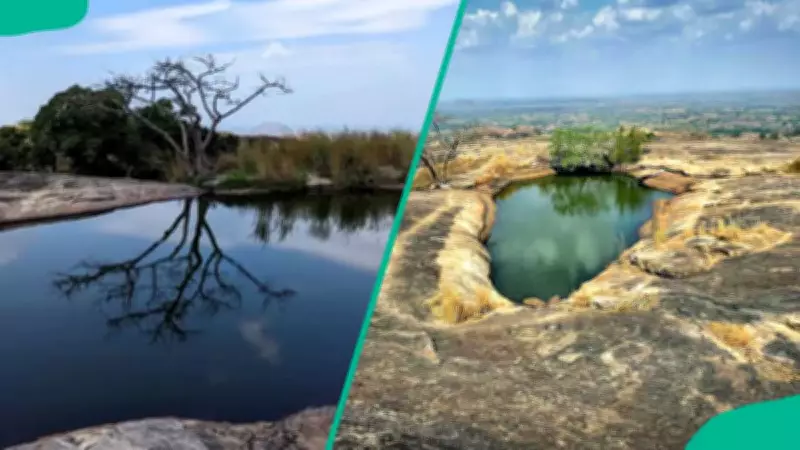
Nigeria's Extensive Network of Lakes: A Comprehensive Overview
While Oguta Lake, Iyake Lake, and Lake Chad stand out as some of the most renowned lakes in Nigeria, the country boasts a diverse array of over 100 small lakes and several major ones scattered across its landscape. These water bodies play a crucial role in Nigeria's water security, agricultural irrigation, hydroelectric power generation, and tourism potential. Their strategic locations are vital for supporting fishing industries, transportation networks, local economies, and ongoing ecological research.
Official Recognition and Geographic Distribution
According to World Atlas reports on African lakes, Nigeria has approximately 16 officially recognized major lakes. Most lakes on the Nigerian map are concentrated around three primary regions: the Chad Basin in the northeast, the Niger Delta area, and various man-made reservoirs created for specific purposes. This distribution reflects both natural geological formations and human engineering efforts to manage water resources.
Comprehensive List of Nigerian Lakes and Their Locations
The following represents an extensive compilation of lakes across Nigeria's states:

- Adale Lake in Borno State
- Beli-Yelba Lake in Taraba State
- Bob Erie Lake in Abia State
- Dandi Lake in Jigawa State
- Ehoma Lake in Cross River State
- Egbe Reservoir in Ekiti State
- Gahri Lake in Borno State
- Jebba Dam in Kwara State
- Kainji Lake spanning Niger State and Kebbi State
- Lagos Lagoon in Lagos State
- Lekki Lagoon between Lagos and Ogun State
- Lake Alau in Borno State
- Lake Asejire in Oyo State
- Lake Chad shared between Nigeria, Cameroon, and Niger
- Lake Dadin Kowa in Gombe State
- Oguta Lake in Imo State
- Oku Lake in Benue State
- Shiroro Dam in Niger State
- Tiga Dam in Kano State
- Wullum Lake in Adamawa State
This list demonstrates the remarkable geographic spread of water bodies across Nigeria's diverse regions.
Nigeria's Top Ten Major Lakes
The most significant lakes in Nigeria include several notable examples:

- Lake Chad (Borno State): This massive, shallow lake is shared between Nigeria and neighboring countries and faces significant challenges from climate change.
- Kainji Lake (Niger/Kwara State): Created by the Kainji Dam, this artificial lake serves important functions for power generation and fishing industries.
- Oguta Lake (Imo State): As the largest natural lake in Southeast Nigeria, it features two merging rivers with distinct colors that famously do not mix.
- Agulu Lake (Anambra State): Known for its scenic beauty and rich local cultural myths, this lake attracts visitors and researchers alike.
- Lake Ado-Awaye/Iyake Lake (Oyo State): This rare suspended lake located on the Ado-Awaye Mountains represents a unique geological phenomenon.
- Nike Lake (Enugu State): A quiet resort lake located near Enugu town that serves both recreational and ecological purposes.
- Eleyele Lake (Oyo State): This man-made lake in Ibadan supports fishing activities and water supply systems.
- Abadaba Lake (Imo State): A natural lake in the eastern part of the country with local economic significance.
- Lake Alau (Borno State): This water reservoir in Konduga Local Government Area serves important regional needs.
- Obutu Lake (Anambra State): A smaller, scenic lake found in Ndikelionwu that contributes to local biodiversity.
Nigeria's Largest Natural Lake
Oguta Lake, measuring approximately 8.05 kilometers long and 2.41 kilometers wide, holds the distinction of being the largest natural lake located entirely within Nigeria's borders. While Lake Chad is significantly larger in total area, it is shared between Nigeria, Chad, Niger, and Cameroon. Oguta Lake's historical significance includes serving as a battlefield and bunker site during the Nigerian Civil War. Today, it functions as a major tourist attraction, water source, and fishing hub. Located in Imo State in southeastern Nigeria, this "finger lake" was formed by the damming of the lower Njaba River and is famous for having two distinct, non-mixing colors resulting from the confluence of the Urashi and Ogbuide rivers.
Natural Versus Artificial Lakes
Nigeria features several important natural lakes, including Lake Chad, Oguta Lake, Iyake Lake, Nike Lake, and Agulu Lake. These natural formations have developed through geological processes and erosion over extended periods.
Conversely, Nigeria has developed several significant artificial lakes created primarily for electricity generation, water supply, and irrigation purposes. Notable man-made lakes include Kainji Lake (the largest artificial lake in Nigeria), Jabi Lake in Abuja, Lamingo Dam in Plateau State, Chala/Galma Dam in Kaduna State, Shiroro Lake in Niger State, Tiga Lake/Dam in Kano State, and Oyan Lake in Ogun State. These engineered water bodies demonstrate Nigeria's efforts to manage water resources for development needs.
Dam Infrastructure Across Nigeria
Nigeria has constructed 323 large, medium, and small dams across various states to support electricity generation, irrigation systems, and water supply networks. Major dams include the Ede-Erinle Reservoir in Osun State, Asejire Reservoir in Oyo State, Bakolori Dam in Sokoto State, Challawa Gorge Dam in Kano State, Dadin Kowa Dam in Gombe State, Goronyo Dam in Sokoto State, Ikere Gorge Dam in Oyo State, Jebba Dam in Niger State, Jibiya Dam in Katsina State, Kafin Zaki Dam in Bauchi State, Kainji Dam in Niger State, Kiri Dam in Adamawa State, Oyan River Dam in Ogun State, Shiroro Dam in Niger State, Tiga Dam in Kano State, Zauro polder project in Kebbi State, and Zobe Dam in Katsina State.
River Systems Supporting Lake Formation
The main rivers in Nigeria are the Niger River and the Benue River, which confluence at Lokoja to form a distinctive Y-shape that divides the country into three regions. The Niger River, with approximately 4,180 kilometers in total length, represents the longest river system, while the Benue serves as its largest tributary. Other significant rivers that contribute to lake formation and water systems include the Kaduna, Cross, Gongola, and Sokoto rivers. These river networks provide essential water sources that feed both natural and artificial lakes across the country.
Fascinating Facts About Nigerian Lakes
Several lakes in Nigeria feature remarkable characteristics and historical significance:
- Oguta Lake's two rivers—Ogbuide and Urashi—flow side-by-side but never mix, with local beliefs suggesting they represent a wife and husband relationship.
- Iyake Lake is believed to be bottomless and was traditionally thought to cure barrenness according to local folklore.
- The Okposi Salt Lake served as a vital source of salt during the Nigerian Civil War, demonstrating how natural resources can become strategically important during conflicts.
- During the Nigerian Civil War, Oguta Lake functioned as a strategic naval base for Biafran forces, highlighting its military significance.
- Agulu Lake is home to an estimated 300 sacred crocodiles and water turtles, with local traditions forbidding their killing as they are believed to have protected the town during the Nigerian Civil War.
Economic and Environmental Significance
Lakes in Nigeria serve as critical hubs for economic development, biodiversity conservation, sustainable agriculture, and tourism growth. They also function as important indicators for environmental health and climate change impact. Understanding their locations and characteristics provides essential information for travelers, investors, environmentalists, and researchers studying Nigeria's geography, agricultural potential, and tourism development. These water bodies represent both natural heritage and practical resources that require careful management for future generations.