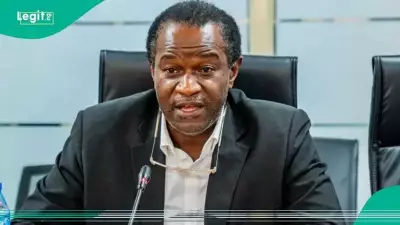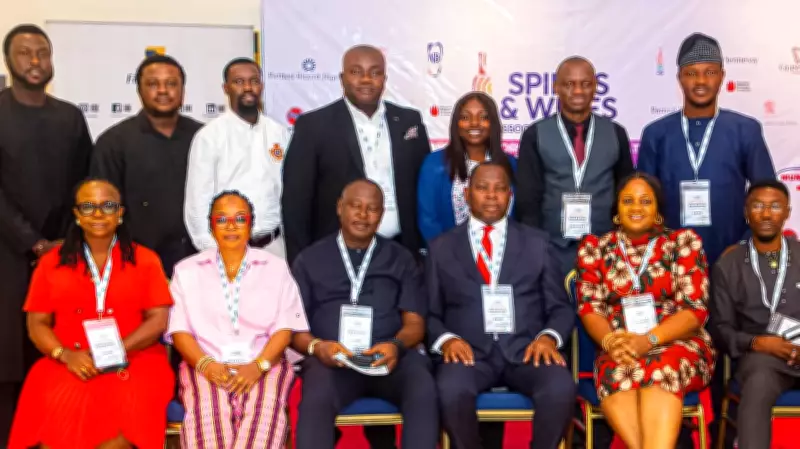
The Spirits and Wines Association of Nigeria (SWAN) has mobilised regulatory agencies, law enforcement bodies, manufacturers, and other stakeholders to tackle the growing threat of illicit trade in the wines and spirits sector. This initiative comes as illegal activities such as counterfeiting, smuggling, and tax evasion undermine the industry's progress and pose risks to public health and the economy.
Illicit trade threatens industry and public health
Wines and spirits are integral to Nigerian social life, featuring prominently at weddings, birthdays, and other gatherings. However, the sector faces significant challenges from illicit trade, which includes counterfeit products, smuggling, and tax evasion. These activities not only harm legitimate businesses but also endanger consumers and reduce government revenue.
During a high-level workshop at the Continental Hotel in Abuja, key industry players expressed a unified resolve to combat fake and adulterated alcoholic products. The event brought together representatives from regulatory agencies, law enforcement, manufacturers, distributors, legislators, media, and international organisations, including Interpol and the Alliance Against Counterfeit Spirits (AACS).

SWAN calls for coordinated enforcement
SWAN, comprising major companies such as Bacardi, Diageo, Guinness Nigeria, and Nigerian Breweries, emphasised that fragmented enforcement is ineffective against organised criminal networks. The association highlighted weaknesses in regulation, border control, and market surveillance, noting that Nigeria's porous borders facilitate the entry of untaxed and unverified products.
Michael Ehindero, Managing Director of Pernod Ricard and President of SWAN, described illicit trade as a direct threat to both business integrity and human life. He stated, "Illicit trade includes counterfeiting, smuggling, illegal production, tax evasion, and diversion of legitimate products. It is a global challenge with significant consequences for public health, government revenues, and economic development."
Ehindero further noted that counterfeiters are becoming increasingly sophisticated, replicating trusted brands and bypassing safety checks. He added, "Beyond the human cost, illicit trade devastates our economy. Governments lose billions in tax revenue that should fund education, healthcare, and infrastructure. Legitimate businesses are undercut, jobs are lost, and investor confidence is shaken."
Global perspective on counterfeit operations
David Francis, Managing Director of AACS, highlighted the growing sophistication of counterfeit operations. He explained that fake packaging materials are often mass-produced abroad and shipped into local markets. "They are becoming organised into well-networked gangs. The quality of fake goods from China makes it increasingly challenging for consumers to spot fakes. Labels, cartons, bottles, and caps are all replicated, turning into a do-it-yourself counterfeiting kit," he warned.
Kingsley Uranta, a media expert, called for stronger investigative journalism to expose the networks behind illicit trade, stressing that the problem is widespread and deeply entrenched.
Regulatory agencies acknowledge challenges
Regulatory bodies at the workshop acknowledged the growing threat and outlined ongoing interventions. The Federal Competition and Consumer Protection Commission (FCCPC) described illicit alcohol trade as a "multi-dimensional crisis" affecting consumer safety, market integrity, and public revenue. Executive Vice Chairman Tunji Bello emphasised that it is not merely an industry problem but touches on consumer protection, health, public revenue, and market integrity.
Assistant Comptroller of Customs Kolapo Oladeji highlighted efforts to combat smuggling and strengthen border controls, while calling for improved policy frameworks. He noted, "We face smuggling, tax evasion, and counterfeiting, with smuggled products competing unfairly with local manufacturers who pay taxes regularly." He stressed the need for stronger regulatory and legal frameworks, improved tax policies, and enhanced border enforcement.

Other bodies, including the Standards Organisation of Nigeria (SON) and the Nigeria Customs Service (NCS), reaffirmed their commitment to enforcement but stressed that a unified, multi-stakeholder approach is essential. Ishaku Mohammed, speaking for SON, stated, "SON remains committed to setting standards for quality and safety. However, tackling illicit trade requires coordinated efforts. No single institution can address these challenges alone."
Recommendations and path forward
The workshop produced several recommendations, including the creation of a formal multi-stakeholder coordination platform, intelligence-led enforcement strategies, increased investigative journalism, and strengthened laws. Participants also emphasised the need for sustained public awareness campaigns, whistleblower mechanisms, and tighter supply chain controls.
With SWAN declaring an all-out offensive against illicit trade and stakeholders pledging sustained collaboration, there is cautious optimism that the Abuja engagement marks a turning point in the fight against counterfeit and smuggled alcoholic products in Nigeria.