Nigeria's Weak Intermodal Transport System Stalls Trade Efficiency, Experts Warn
Nigeria's ports remain largely disconnected from rail networks and inland waterways, forcing trucks to handle over 90 percent of cargo freight. With cargo volumes and container traffic growing steadily each year, the country urgently needs to bridge its transport infrastructure gap to combat port congestion, reduce high logistics expenses, and boost trade competitiveness, according to industry reports.
Surge in Maritime Trade Highlights Infrastructure Deficiencies
In 2025, Nigeria's maritime sector experienced a significant increase in trade activity, driven by higher cargo throughput, rising container traffic, and an expanding export footprint. The Nigerian Ports Authority's 2025 Operational Performance Report revealed that cargo throughput surged by 24.8 percent, while container traffic jumped by 25.7 percent, exceeding 2.1 million twenty-foot equivalent units (TEUs).
Due to this maritime trade boom, more than 90 percent of cargo was transported to and from seaports via trucks, placing immense strain on road infrastructure. The International Maritime Organisation has advocated for adopting intermodal transport systems that integrate inland waterways, rail, and road transport to enhance port efficiency, minimize environmental impacts, and improve hinterland connectivity.

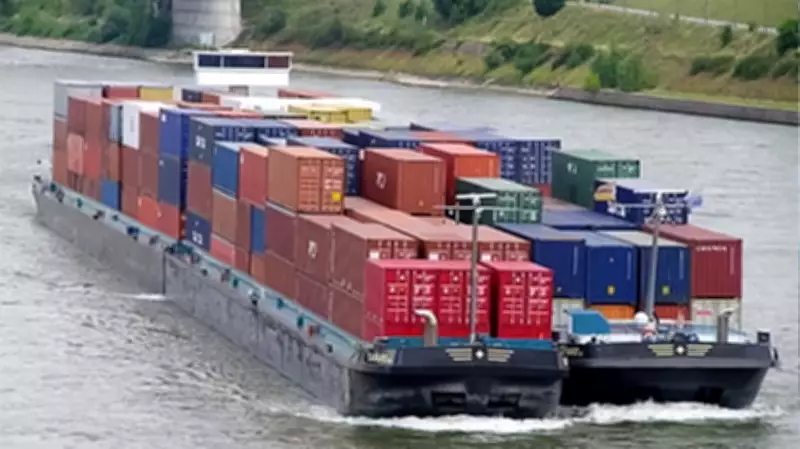
The global body emphasized that ports must be seamlessly linked to the hinterland to alleviate gridlock caused by excessive truck traffic on port access roads. However, Nigeria's current intermodal transport system remains structurally weak and operationally inefficient, with industry data indicating that 90 to 95 percent of port cargo is evacuated by road using trucks, seven percent by inland waterways via barges, and only five percent by rail.
Overdependence on Road Transport Leads to Chronic Issues
This heavy reliance on road transport, as noted by the Sea Empowerment and Research Centre (SEREC), has resulted in chronic port congestion, elevated logistics costs, infrastructure degradation, and a loss of regional trade competitiveness. Despite the existence of rail lines, inland waterways, and dry ports, the lack of integration has effectively rendered Nigeria's system monomodal.
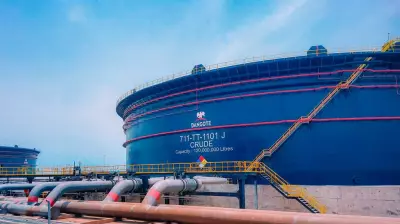
Apart from Apapa port, which has a functional rail system, other major ports across the country lack rail connectivity. Apapa port, handling 26.7 percent of the nation's total cargo throughput, still relies predominantly on trucking for cargo evacuation, with minimal use of rail. Meanwhile, Lekki Port, which managed 40.6 percent of total cargo throughput, and Onne Port, with 19.1 percent, are not connected to the rail network, making intermodal transport impossible.
Structural and Policy Gaps Undermine Efficiency
In a policy advisory paper titled 'Reviving Nigeria's Intermodal Transport System for Efficient Maritime Trade,' Dr. Eugene Nweke, Head of Research at SEREC, highlighted that an efficient intermodal transport system is crucial for maritime trade facilitation, economic growth, and regional competitiveness. He pointed out that in Nigeria, the disconnect between seaports and inland logistics networks continues to undermine trade efficiency.
Nweke explained that port evacuation is heavily truck-dependent, while rail connectivity to ports is limited and underutilized. Inland waterways remain largely untapped, and dry ports operate below capacity. The SEREC paper identified structural challenges, including weak port-rail integration, noting that most Nigerian ports lack functional rail links, which limits cargo evacuation efficiency.
The research body also emphasized underdeveloped inland terminals, with dry ports and logistics hubs not effectively connected to seaports. Nweke attributed these issues to policy and institutional gaps, such as the absence of a coordinated intermodal policy, weak regulatory frameworks, and limited private sector participation.

Economic Implications of Inefficient Transport Systems
Sunday Ademuyiwa, Director of International Trade at the Maritime Researchers and Authors Association of Nigeria (MARASSON), stated that nearly 90 percent of goods entering Nigeria arrive through seaports, making the intermodal transport system a vital component of the national economy. He noted that poor infrastructure, including inadequate roads, limited rail coverage, and underdeveloped inland water transport, restricts seamless cargo movements despite heavy reliance on maritime imports.
Ademuyiwa warned that persistent challenges in linking ports to inland destinations hamper the smooth movement of cargo across the country. Nigeria's major seaports – Apapa, Tin Can Island, Lekki, and Onne – handle the bulk of imports, but supporting transport infrastructure has not kept pace with growing trade volumes. He further pointed out that inland waterways, which could serve as a viable alternative for cargo movement, remain largely underutilized despite Nigeria's vast potential.
Overdependence on a single mode of transport for cargo evacuation makes logistics expensive, causes port congestion, puts pressure on roads due to lack of alternatives, and ultimately increases business costs. According to SEREC, high inland transport costs inflate goods prices, reduce competitiveness, trigger cargo diversion to neighboring ports with better logistics systems, and lead to revenue losses, with Nigeria losing billions annually due to inefficiencies and delays.
Call for Actionable Reforms and Strategic Investments
Nweke stressed that overdependence on road transport results in severe traffic congestion, high logistics costs, and rapid road deterioration. Haruna Omolajomo, Managing Director of HARSECOM Logistics Limited, added that Apapa and Tincan Island port complexes handle over 70 percent of Nigeria's imports and exports, sometimes leading to unnecessary or artificial congestion. He expressed concern that these ports, which contribute over N5 trillion yearly to Customs revenue, have infrastructure that has not kept up with modern global maritime shipping demands.
Experts warn that without urgent reforms, inefficiencies will persist, risking Nigeria's position as a regional trade hub. Nweke emphasized that a coordinated, multimodal transport framework is essential for sustainable economic growth and trade facilitation. SEREC proposed strategic policy recommendations, including immediate actions like enforcing rail connectivity to all major ports, promoting barge operations through incentives, and activating inland dry ports.
For medium-term reforms, the paper recommended liberalizing rail freight operations, implementing a national single window system, and developing integrated logistics corridors. In the long term, SEREC suggested rebalancing freight modal share to 50-60 percent road, 25-30 percent rail, and 15-20 percent waterways. Ademuyiwa highlighted that with about 22 states interconnected by waterways, improved investment in water transport could ease road pressure and enhance nationwide logistics.
He called for coordinated reforms and sustained investment in transport infrastructure to improve connectivity between ports and inland markets, stressing that an efficient intermodal system is vital to enhancing Nigeria's competitiveness in regional and global trade. Omolojomo recommended revamping the railway system to connect all ports and stimulate a multimodal transport system, along with ensuring security on waterways through agencies like NIWA and NIMASA.