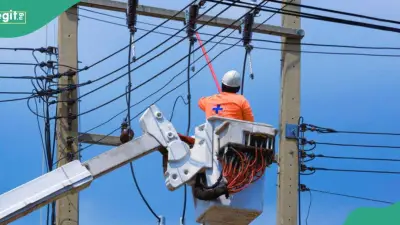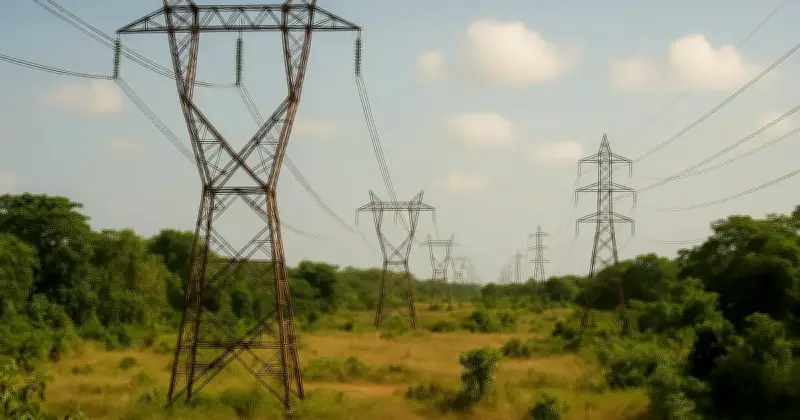
The World Bank has announced that its regional power programme has significantly expanded electricity access, strengthened cross-border power trade, and improved electricity supply across West Africa. Under the initiative, more than 4,000 kilometers of high-voltage transmission lines have been built, connecting 15 West African nations and laying the foundation for a unified electricity market.
Expanding Access to Electricity
Between 2019 and 2025, over three million people in six countries—Burkina Faso, Guinea, Liberia, Senegal, Sierra Leone, and The Gambia—gained access to reliable electricity through World Bank-supported projects. This achievement addresses one of the region's biggest development challenges, as millions still lack reliable power, especially in rural areas.
Regional Integration and Trade
The West Africa Regional Power Integration and Electricity Access Programme has strengthened electricity networks across member countries of the West African Power Pool (WAPP). The WAPP includes Benin, Burkina Faso, Cape Verde, Côte d’Ivoire, The Gambia, Ghana, Guinea, Guinea-Bissau, Liberia, Mali, Niger, Nigeria, Senegal, Sierra Leone, and Togo. Currently, about eight percent of electricity generated in the region is traded across borders, approaching the European Commission's benchmark of 10 to 12 percent. This trade enables countries to access cheaper power sources and improve reliability for consumers.

Economic and Financial Benefits
The programme has improved utility finances in several countries. Guinea-Bissau's national utility moved from a monthly deficit of about $1 million to a positive financial position, while The Gambia's National Water and Electricity Company recorded cost savings of approximately 42 percent and returned to profitability. Additionally, the initiative has created over 52,000 direct and indirect jobs in engineering, logistics, maintenance, and project management.
Future Plans: Day-Ahead Market
Efforts are underway to accelerate the development of a regional electricity market. The West African Power Pool and the ECOWAS Regional Electricity Regulatory Authority are working to synchronize interconnected grids and expand power trading. A key next step is the introduction of a Day-Ahead Market, allowing utilities to buy electricity one day before delivery. This system is expected to lower procurement costs, improve planning, and reduce power outages.
Infrastructure Projects
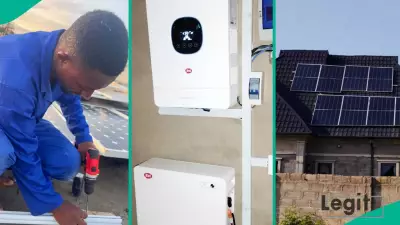
Major projects completed include the Côte d’Ivoire-Liberia-Sierra Leone-Guinea transmission line, the Guinea-Guinea-Bissau-The Gambia-Senegal interconnection project, and the Senegal-Mali power link. Innovative shield-wire technology along some transmission corridors has enabled electricity connections for nearby communities, while battery energy storage and last-mile electrification projects extend access to underserved areas.
Support and Partnerships
The programme is supported by several development finance institutions, including the African Development Bank, European Investment Bank, West African Development Bank, Islamic Development Bank, and Agence Française de Développement. The World Bank stated that the programme is delivering more affordable, reliable, and sustainable electricity, helping create jobs, empowering women, and reducing climate impacts.
Looking Ahead
Future efforts will focus on expanding electricity trade, completing regional grid synchronization, and rolling out new financing tools, including a liquidity enhancement revolving fund to improve payment reliability among utilities. These measures support broader reforms aimed at improving energy security and achieving universal access to electricity across West Africa.