ECOWAS Plan for Cheaper Airfares Hits Turbulence as Implementation Stalls
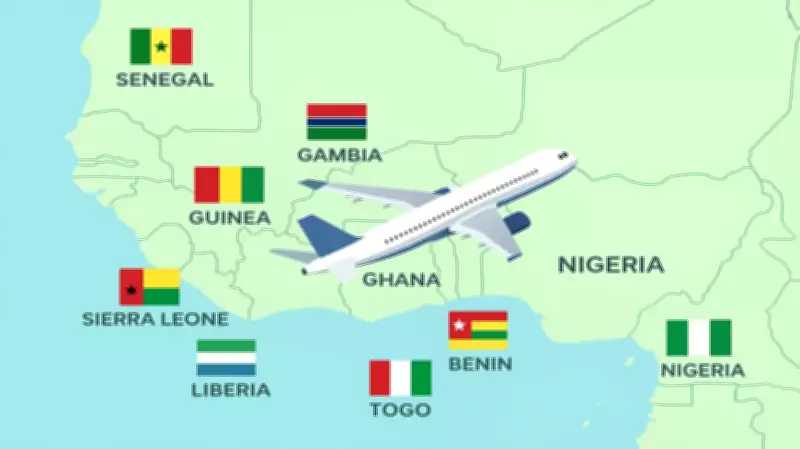
In a bid to make air travel more affordable across West Africa, heads of government from the Economic Community of West African States (ECOWAS) agreed in 2024 to a significant reduction in aviation charges. The resolution, set for implementation by January 2026, aimed to lower key air transport charges by 25% and eliminate various taxes that have long inflated ticket prices. However, more than three months after the scheduled start date, there is little evidence of progress, with member states showing minimal commitment to the cheaper flights initiative.
High Hopes and Regional Challenges
When ECOWAS leaders convened in Abuja in December 2024, chaired by Nigeria's President Bola Tinubu, the atmosphere was one of cautious optimism. The region has historically struggled with some of the highest aviation charges globally, a stark contrast to its goals of economic integration and ease of movement. The 66th Ordinary Session resulted in a landmark decision: member states would reduce air transport charges by 25% and scrap taxes like ticket sales tax, tourism tax, solidarity tax, and foreign travel tax. This policy was projected to cut fares by up to 40% and boost tourism by 20-30%, unlocking broader economic benefits.
Despite these ambitions, the reality on the ground tells a different story. Air travel within West Africa remains prohibitively expensive, with short routes such as Lagos to Accra or Dakar often costing as much as flights to Europe or the Middle East. This imbalance stems from a plethora of taxes and charges, including Passenger Service Charges (PSC), Ticket Sales Charge (TSC), security fees, and various levies. For instance, passengers in Sierra Leone face up to $294 in taxes per ticket, while Nigeria charges around $180 and Guinea-Bissau about $137. On average, West African travellers pay over $120 in taxes per ticket, one of the highest rates worldwide.

Barriers to Implementation
The failure to implement the ECOWAS resolution highlights deeper structural issues. Aviation analyst Samuel Caulcrick notes that taxes and charges can account for 64-70% of ticket prices in the region. He attributes the delay to the slow pace of domestic policy reforms, as each member state must amend national laws and regulations to enact the regional agreement. This process is often sluggish and politically sensitive, compounded by the fact that aviation taxes are a crucial revenue source for many cash-strapped governments.
Ado Sanusi, Managing Director of Aero Contractors, points to weak political will and poor institutional enforcement as major setbacks. He observes that while ECOWAS reaches consensus on policies, execution depends on individual governments aligning national regulations with regional commitments. Many states are reluctant to adjust local taxes and charges due to revenue concerns and protection of domestic interests. Sanusi cites the Yamoussoukro Decision on air transport liberalisation as an example, which has seen uneven compliance over two decades.
Economic and Competitive Implications
The continued high taxes impose heavy operational burdens on indigenous airlines, limiting their growth and allowing carriers from other African regions, such as Ethiopia, Morocco, Rwanda, and South Africa, to dominate traffic. Amos Akpan, Managing Director of Flight & Logistics Solutions Ltd, warns that this failure worsens the competitiveness crisis, stifling investment and delaying the development of strong regional hubs. He emphasises that without enforceable mechanisms, including clear timelines and sanctions for non-compliance, West Africa risks losing traffic, investment, and opportunities to other regions.
In spite of the policy's potential to foster a more integrated and accessible air transport system, its implementation remains elusive. Some countries have even introduced new charges in 2026, further complicating the situation. The gap between policy declarations and practical realities underscores the need for stronger political will and expedited legislative adjustments to achieve the anticipated relief for passengers and airlines.