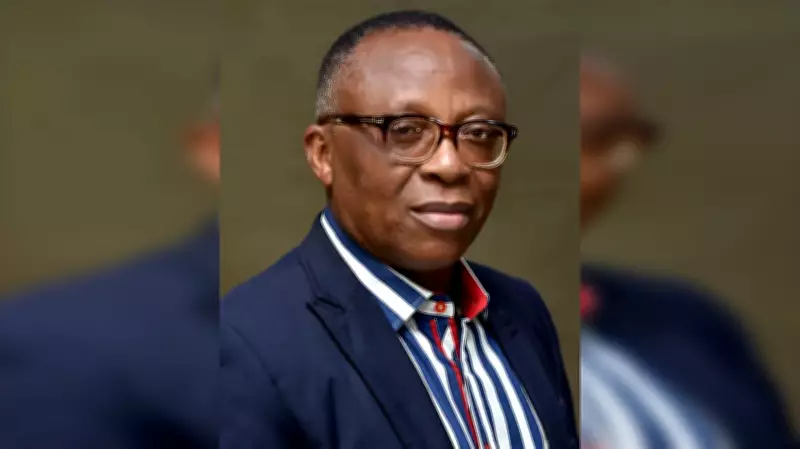
Prof. Charles Asenime, a mobility expert, has warned that Nigeria's transport system would grind to a halt without the contributions of informal transport operators and non-state actors. Asenime stated that nearly 80 percent of Nigerians depend on the sector for daily mobility and economic survival.
Informal Transport Sector as Backbone
Speaking at the 122nd Inaugural Lecture Series of Lagos State University, titled 'Catechising the Role of Informality and Non-State Actors in Nigeria's Transport System and Development,' Asenime described the informal transport sector as the backbone of movement across roads and inland waterways in the country. He noted that food distribution, business operations, and access to livelihoods would be severely disrupted without the activities of informal transport operators.
Rising Accidents and Poor Regulation
Asenime blamed rising accidents and inefficiencies in the sector on poor regulation, weak enforcement, and human negligence. 'Accidents do not simply happen; they give warnings. A man who drives or steers recklessly is heading towards disaster,' he said. The professor observed that many road crashes stem from human errors and inadequate enforcement, while boat mishaps on inland waterways are often linked to poor operating standards and weak regulatory oversight.

Criticism of Past Neglect
He also criticized the neglect of past transport surveys and poor implementation of transport policies, arguing that the failure to prioritize road and inland water transportation planning has fueled the growth of informality in the sector.
Recommendations for Reform
Asenime called on governments at all levels to urgently implement transport reforms to improve safety, efficiency, and inclusivity. His recommendations include prioritizing projects contained in the National Transport Survey Plan, reviewing the Master Plan for Integrated Transportation Infrastructure, and establishing transport infrastructure master plans by all states. He also urged states with littoral communities to establish inland water transport authorities in collaboration with the National Inland Waterways Authority to improve safety and operational standards.
Modernization and Integration
The transport scholar further advocated for the modernization of motor parks, integration of informal operators into transport planning, and increased investment in multimodal transportation systems, particularly rail and inland waterways. He stressed the need to adopt Intelligent Transport Systems that cover traffic signals, port operations, vehicle administration, traffic enforcement, and transport safety management.
Policy and Commission
Asenime called for the development of an Integrated Multimodal National Transport Policy supervised by an inter-ministerial committee, alongside the establishment of a Road Transport Commission.