FAAN Addresses Airport Clock Malfunction Following Pilot's Viral Social Media Post
The Federal Airports Authority of Nigeria has implemented immediate corrective measures at Murtala Mohammed International Airport in Lagos after a Nigerian pilot publicly criticized the facility's dysfunctional wall clocks on social media platform X. This swift response came following widespread attention to the pilot's observations regarding operational deficiencies at one of Nigeria's busiest aviation hubs.
Pilot's Detailed Complaint Goes Viral
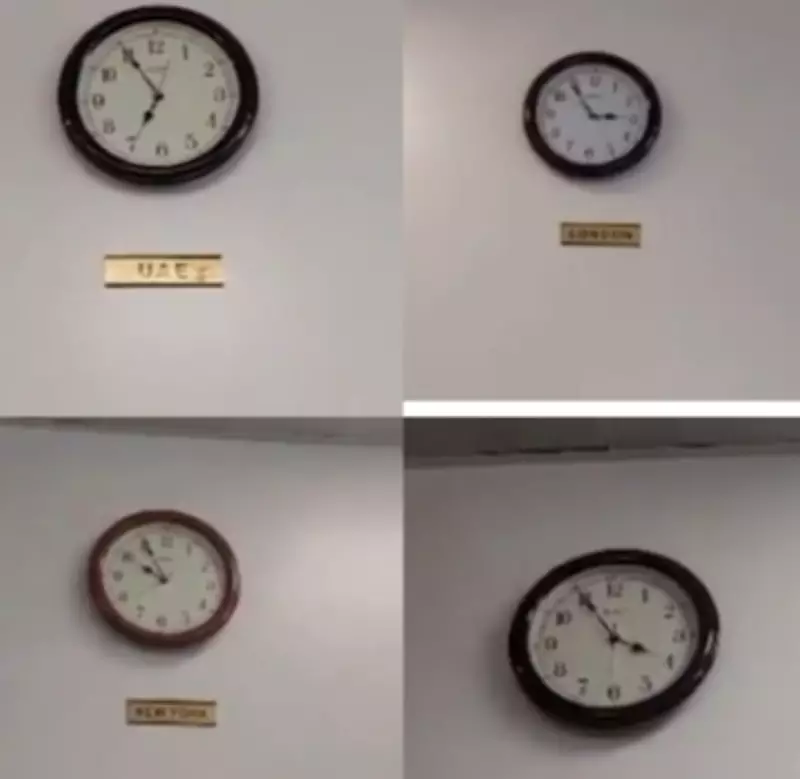
Nigerian pilot Arinze Odira utilized his X account on Wednesday, February 17, to document a concerning discovery at the international airport. He specifically identified five wall clocks designed to display current times across major global cities including Lagos, Beijing, United Arab Emirates, New York, and London. According to his detailed account, none of these timekeeping devices were functioning properly, creating potential confusion for travelers and aviation personnel.
Odira emphasized that this seemingly minor infrastructure failure actually reflected a broader cultural problem within airport operations. He suggested the non-operational clocks symbolized what he described as a "poor culture of excellence" among airport staff and management, raising questions about attention to detail in critical transportation infrastructure.

Authority's Prompt Response and Resolution
After the pilot's post gained significant traction across social media platforms, attracting comments and shares from numerous users, airport authorities took notice. The Federal Airports Authority of Nigeria monitoring team identified the viral complaint and initiated immediate action to address the highlighted deficiencies.
In a subsequent official communication shared on their verified X account, FAAN confirmed that maintenance teams had been dispatched to rectify the clock malfunctions. The authority stated clearly that all five wall clocks have now been updated and restored to full working condition, ensuring accurate time displays for the referenced international destinations.
This incident demonstrates how social media platforms have become powerful tools for public accountability in Nigeria's transportation sector. While the initial complaint focused on specific timekeeping equipment, it sparked broader conversations about maintenance standards, operational excellence, and public perception of Nigeria's aviation infrastructure.
The Federal Airports Authority's responsive action suggests a commitment to addressing legitimate concerns raised by aviation professionals and the traveling public, though it remains to be seen whether this represents isolated corrective action or signals a more comprehensive approach to infrastructure maintenance across Nigeria's airport network.