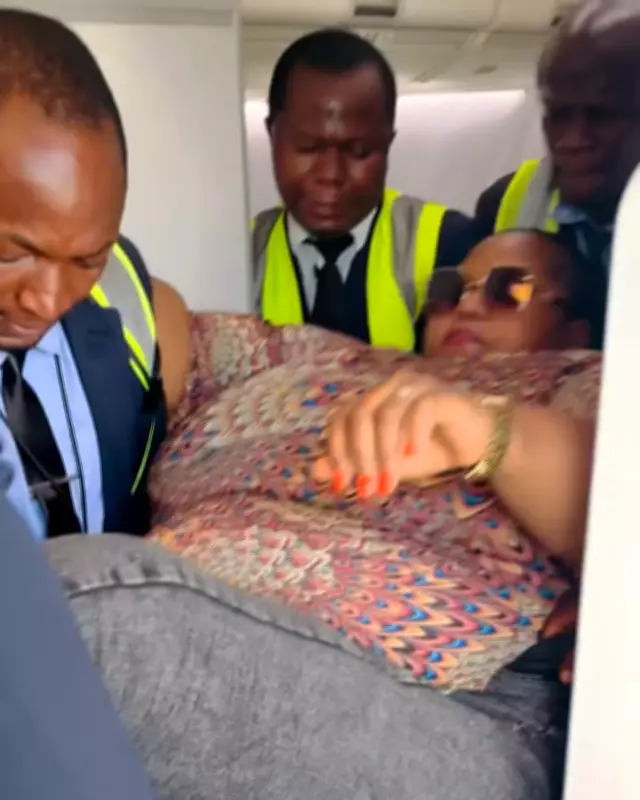
Disability rights advocate Dorathy Osaronu has provided a powerful and eye-opening glimpse into the realities of air travel for individuals with zero mobility in Nigeria. In a recent social media post, Osaronu shared a detailed video documenting the specific process she must undergo simply to exit an airplane after a flight.
The Reality of Exiting an Aircraft with Zero Mobility
Dorathy Osaronu, a prominent voice for persons with disabilities, utilized her Instagram platform to broadcast her personal experience. The video footage reveals a scene where no fewer than five male airline staff members are required to physically carry her through the narrow aircraft aisle. This procedure is necessary because standard airplane configurations are not designed to accommodate wheelchairs or other mobility aids within the passenger cabin during disembarkation.
A Call for Empathy and Understanding
In her accompanying message, Osaronu made a direct appeal to her followers and the general public. She urged people to consciously imagine themselves in her position, to foster a deeper understanding of the daily logistical hurdles and dependence on others that define her travel experiences. Her aim is to cultivate greater public awareness about the accessibility barriers that persist in the aviation sector and broader society.

Despite the evident challenges and the invasive nature of the required assistance, Osaronu expressed profound gratitude. She thanked God for her journey and specifically acknowledged the airline personnel for their demonstrated patience, care, and professionalism during the disembarkation process. Her message strikes a balance between advocating for systemic improvement and appreciating the human effort involved in her current reality.
The Broader Context of Accessibility in Nigerian Aviation
This incident brings into sharp focus the ongoing issues surrounding accessibility and inclusivity within Nigeria's transportation infrastructure, particularly in aviation. While airline staff are often willing to assist, the very need for such manual, labor-intensive methods highlights a significant gap in design and policy. Advocates argue that true inclusion requires infrastructural adaptations and procedural reforms that allow for dignified and independent travel for all passengers.
Osaronu's public sharing of this experience is part of a larger movement by disability advocates in Nigeria to make invisible struggles visible. By documenting and disseminating these realities, they push for conversations that can lead to tangible improvements in services, regulations, and public attitudes towards persons with disabilities.