Pressure is intensifying within Nigeria's financial sector as the Central Bank of Nigeria's (CBN) recapitalisation deadline of March 31, 2026, draws near. With just weeks remaining, a significant group of financial institutions is racing against time to meet the new minimum capital thresholds, with their survival and operational licenses potentially at stake.
The Race for Compliance: Who Has Met the Mark?
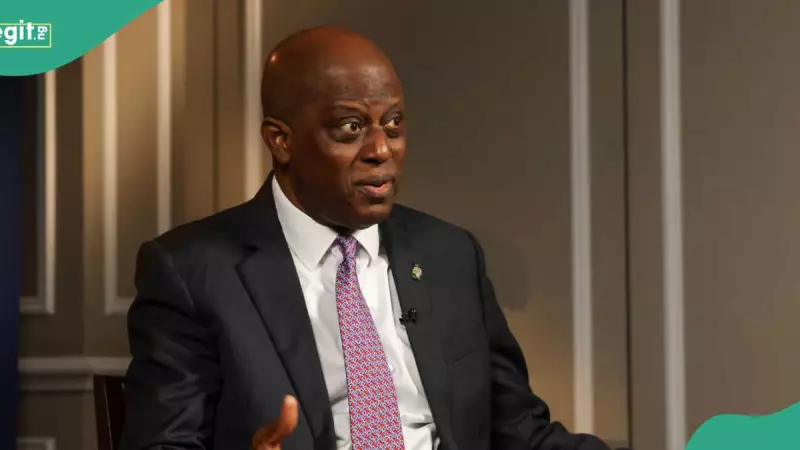
The recapitalisation drive, spearheaded by CBN Governor Olayemi Cardoso, is a core component of broader reforms designed to fortify the banking system. The goal is to ensure banks possess the financial muscle to support Nigeria's economic ambitions and withstand future shocks. Encouragingly, a prior report indicated that as of January 6, 2025, 19 banks had already successfully met the CBN's benchmark.
This compliant group includes industry giants such as Access Bank, Zenith Bank, First Bank of Nigeria, Guaranty Trust Bank (GTCO), United Bank for Africa (UBA), and Fidelity Bank. These institutions, along with several mid-tier and specialised banks, raised the necessary capital through methods like rights issues, private placements, and the use of retained earnings. Their proactive compliance has been crucial in maintaining market stability and investor confidence.

The Full List of Banks Lagging Behind
Despite the progress made by many, at least 12 banks across commercial, merchant, and non-interest banking segments are still working to bridge the capital gap. The challenge is particularly acute for smaller lenders and specialised banks with more limited avenues for raising large funds.
The banks yet to meet the CBN's capital requirement include:
- First City Monument Bank (FCMB)
- Unity Bank
- Keystone Bank
- Union Bank (Titan Trust-led entity)
- Standard Chartered Bank Nigeria
- Parallex Bank
- SunTrust Bank
- FBH Merchant Bank
- Coronation Merchant Bank
- Alternative Bank
- Other non-interest banks
Potential Outcomes: Mergers, Acquisitions, and Sector Reshaping
Financial analysts predict a wave of strategic moves as the deadline approaches. For banks unable to independently raise the required capital, mergers and acquisitions (M&A) are becoming increasingly likely. Some may seek strategic partnerships or investor buy-ins, while others could be forced into outright mergers to survive.
Other options on the table include downgrading banking licenses to categories with lower capital demands or seeking regulatory forbearance, although the CBN has signalled a firm stance on the deadline. The policy mandates that commercial banks with international authorisation must achieve a minimum paid-up capital of N500 billion.
If successfully executed, this recapitalisation exercise could result in a more robust, consolidated, and competitive Nigerian banking sector, better equipped to finance major projects. However, failure to comply risks triggering forced consolidations, license withdrawals, or stricter regulatory actions, fundamentally altering the industry's landscape.
As the countdown to March 31 continues, all eyes are on the remaining dozen banks and the critical decisions they will make to secure their future in Nigeria's evolving financial environment.