CBN Introduces Nigerian Overnight Financing Rate to Deepen Money Market
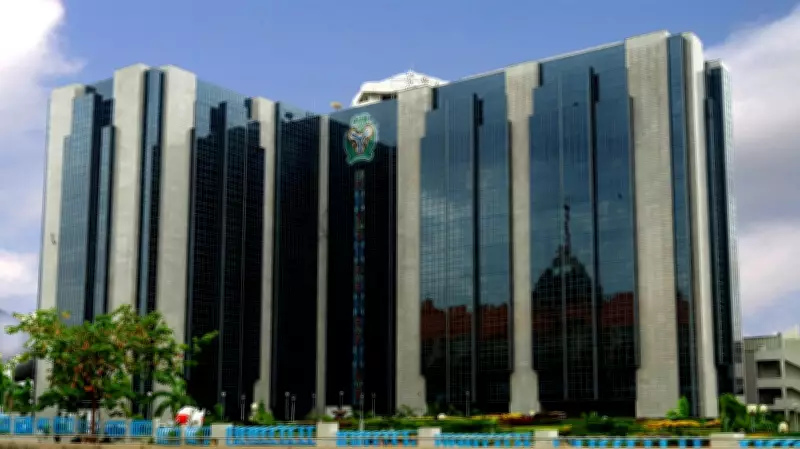
The Central Bank of Nigeria (CBN), in partnership with the Financial Markets Dealers Association (FMDA), has officially launched the Nigerian Overnight Financing Rate (NOFR). This new benchmark is designed to improve transparency, strengthen monetary policy transmission, and deepen the country's money market.
Key Features of NOFR
The NOFR is a transaction-based benchmark that reflects the interest rate for secured overnight funds in the interbank market. It will serve as a credible reference for short-term lending activities, enhancing price discovery and promoting consistent pricing of money market instruments.
In a statement signed by Hakama Sidi Ali, the Acting Director of Corporate Communications at the CBN, the initiative was described as a key reform aimed at aligning Nigeria's financial system with global standards for short-term interest rate benchmarks.

Benefits and Global Alignment
The introduction of NOFR is expected to enhance the effectiveness of monetary policy, support financial innovation, boost investor confidence, and strengthen risk management across the financial system. This development positions Nigeria alongside leading global benchmarks such as the Secured Overnight Financing Rate in the United States, the Sterling Overnight Index Average in the United Kingdom, the Euro Short-Term Rate in the Eurozone, and the Tokyo Overnight Average Rate in Japan.
Additionally, the benchmark complements regional standards like the Johannesburg Interbank Average Rate in South Africa, further integrating Nigeria into global financial markets.
Implementation and Governance
The NOFR was introduced following a structured engagement with stakeholders, culminating in its formal adoption at a meeting held on February 27, 2026. After securing regulatory approvals, the CBN will act as the benchmark administrator, ensuring governance, transparency, and regular publication of the rate.
This move is part of broader efforts to modernize Nigeria's financial infrastructure and foster a more robust and transparent economic environment.