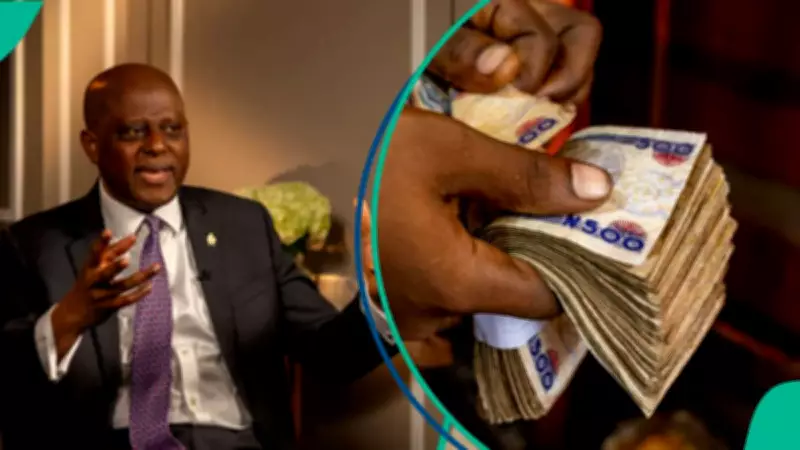
CBN Accelerates Eco Currency Launch with ECOWAS Partners for 2027 Rollout
The Central Bank of Nigeria has joined forces with other central banks across West Africa to fast-track plans for the introduction of the Eco, a single regional currency, by 2027. This initiative, led by the Economic Community of West African States, aims to create a unified monetary system modeled after the euro used in the European Union.
Strict Economic Criteria Required for Participation
Member countries must meet rigorous macroeconomic benchmarks to qualify for the Eco currency. These include maintaining low inflation rates and adhering to strict fiscal deficit targets, ensuring economic stability across the region. The project represents a significant step toward deeper economic integration and enhanced monetary cooperation within West Africa.
Technical and Monetary Frameworks Being Aligned
Governors from twelve ECOWAS member states are currently working to align technical, fiscal, and monetary frameworks necessary to operationalize this long-delayed currency project. According to Nigeria's Presidency, the Eco currency is designed to complement existing regional instruments like the ECOWAS passport while promoting harmonized financial systems and greater regional mobility.

Initial Rollout and Economic Challenges
The initial rollout is expected to include Nigeria, Ghana, Liberia, Sierra Leone, Guinea, and The Gambia, provided these nations comply with the established economic conditions. The regional currency project has faced repeated delays over the years due to economic divergence among member states, exchange rate volatility, and inflationary pressures. However, ECOWAS leaders reaffirmed their commitment to the 2027 launch timeline during their December 2025 summit in Abuja.
CBN Governor Highlights Benefits of Unified Currency
CBN Governor Olayemi Cardoso emphasized that the initiative signals a renewed determination to strengthen regional financial systems and promote monetary discipline across West Africa. He noted that a unified currency could reduce transaction costs, eliminate exchange rate risks within the bloc, improve price transparency, and attract greater foreign direct investment by presenting West Africa as a more stable and integrated economic zone.
Nigeria's Growing Influence in Continental Monetary Reforms
Beyond the Eco project, Cardoso highlighted Nigeria's expanding role in continental monetary reforms following its strengthened position within the African Union's financial institutions. This positions Nigeria at the center of Africa's broader financial integration agenda. If successfully implemented, the Eco could significantly reshape trade flows, deepen intra-regional commerce, and mark one of the most ambitious economic integration efforts in Africa's history.
Naira's Improved Performance Supports Regional Efforts
In related developments, Nigeria's currency performance toward the end of 2025 helped it exit Africa's ten worst-performing currencies list, ending nearly two years on the bottom-ten ranking. An analysis using the Forbes currency calculator shows that the naira left the list in October 2025 and had not reappeared as of December, supported by improving external reserves, policy reforms, and better foreign exchange liquidity. By December 31, the naira traded at about N1,436 per dollar, compared to the Rwandan franc at 1,456 per dollar, which ranked as the tenth weakest currency.