CBN Recapitalisation Deadline Arrives: Four Nigerian Banks Struggle as Sector Raises N4 Trillion
Nigeria's banking sector has reached a pivotal moment as the recapitalisation deadline imposed by the Central Bank of Nigeria (CBN) draws to a close. While the majority of financial institutions have successfully met the new capital thresholds, a handful of banks are now engaged in a frantic race against time, exploring mergers, restructuring, or regulatory lifelines to remain operational.
With just hours remaining before the March 31, 2026 cutoff, intense pressure is mounting on institutions that have yet to comply, raising significant questions about the future of the affected banks and the broader financial system.
Strong Progress with Notable Exceptions
The recapitalisation exercise, which commenced in 2024, has demonstrated substantial success across the industry. At least 32 banks have already satisfied the new capital requirements, collectively raising over N4 trillion through a combination of local and foreign investments that have bolstered confidence in Nigeria's financial infrastructure.

However, this progress has not been uniform across all institutions. Several banks remain locked in merger discussions, while others continue under close regulatory supervision, highlighting a clear division between well-capitalised, stronger institutions and those still struggling to meet the new benchmarks.
Revised Capital Requirements Framework
Under the revised framework introduced by the CBN, banks are now required to meet significantly elevated capital thresholds:
- International commercial banks: N500 billion
- National banks: N200 billion
- Regional banks: N50 billion
- Merchant banks: N50 billion
- Non-interest banks: N10 billion to N20 billion
Unlike previous exercises, the CBN now defines capital strictly as share capital and share premium, tightening the regulatory rules and limiting what qualifies as eligible funds. This represents the most significant banking sector overhaul since the 2004 consolidation led by Charles Soludo, which reduced the number of banks and strengthened the industry.
Mergers, Extensions, and Regulatory Oversight
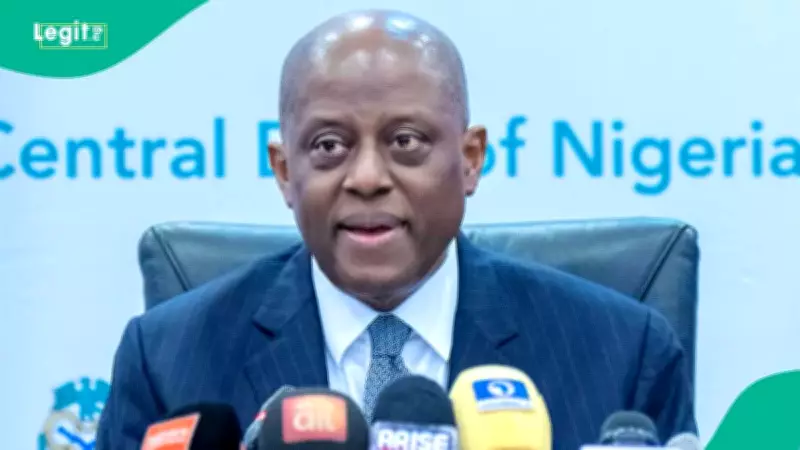
CBN Governor Olayemi Cardoso has indicated that not all banks may receive identical treatment under the deadline. Institutions facing legal or structural challenges could potentially receive special consideration.
Banks such as Polaris Bank, Union Bank of Nigeria, and Keystone Bank fall into this category, with ongoing regulatory interventions shaping their recapitalisation timelines. For other institutions, mergers appear imminent, with industry observers anticipating a wave of consolidation similar to past reforms as smaller or weaker banks combine forces to meet regulatory demands.
The Significance of Recapitalisation
The recapitalisation initiative extends beyond mere regulatory compliance. It is fundamentally designed to build stronger banks capable of withstanding economic shocks including inflation, currency volatility, and global uncertainties.
A more capitalised banking system is expected to:
- Support large-scale infrastructure financing
- Boost lending to critical economic sectors
- Strengthen overall financial stability
- Position Nigeria for its ambitious $1 trillion economy goal
Industry executives have described the policy as essential for preparing Nigerian banks to compete globally and finance long-term national development.
The Real Economy Disconnect Concern
Despite the substantial progress in capital raising, experts caution that stronger bank balance sheets do not automatically translate into broader economic growth. Analysts at the Centre for the Promotion of Private Enterprises argue that credit to the real sector remains notably weak.
Key concerns include:
- Low private sector credit relative to GDP
- Heavy focus on short-term lending practices
- Limited financing for agriculture and manufacturing sectors
Economist Uche Uwaleke notes that the true test of recapitalisation will be whether banks effectively channel funds into productive sectors rather than speculative activities.

What Comes Next for the Banking Sector
As the deadline expires, attention shifts from capital raising to regulatory enforcement. The CBN is expected to:
- Tighten supervision of non-compliant banks
- Approve mergers and acquisitions as necessary
- Ensure overall financial system stability
- Monitor lending practices closely
For the few banks still behind schedule, the coming days could determine their survival, independence, or absorption into stronger institutions. For Nigeria's banking sector, while the recapitalisation exercise may be concluding, its real economic impact is only just beginning to unfold.
Unity Bank has firmly dismissed reports suggesting it failed to meet the recapitalisation threshold set by the Central Bank of Nigeria, reassuring stakeholders that it remains fully compliant and financially stable. The bank issued a detailed clarification amid growing concerns in the financial market as the deadline approached.