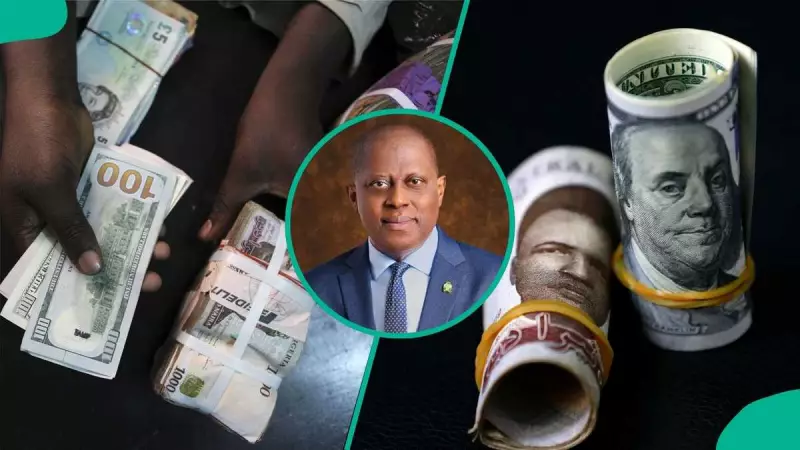
The Central Bank of Nigeria (CBN) engineered a fundamental transformation of the country's Bureau de Change (BDC) subsector throughout 2025. Through a series of targeted policies, the apex bank moved decisively to impose stricter regulation, enhance transparency, and foster stability within Nigeria's retail foreign exchange market. This year-in-review captures the key milestones that redefined how BDCs operate.
Foundational Reforms and Fee Relief
The year began with a supportive measure aimed at easing the financial burden on operators. In January 2025, the CBN waived the annual non-refundable licence renewal fee for all BDCs. This move was designed to facilitate a smoother transition following the major Regulatory and Supervisory Guidelines introduced in 2024. The bank also instructed any operator who had already paid the fee to apply for a refund, reinforcing its intent to streamline market operations.
Shortly after, on January 28, 2025, the CBN took a decisive step toward sanitising market practices with the launch of the Nigeria Foreign Exchange (FX) Code. CBN Governor Yemi Cardoso heralded the code as a critical framework for establishing clear, enforceable standards for ethical conduct and transparency. The code's core objective is to ensure exchange rates reflect accurate information and that all participants adhere to high behavioural standards, aiming for a fairer and more efficient market. Violations come with the threat of penalties and administrative sanctions.

Managing Access and Enforcing Deadlines
In early February, the CBN rolled out a temporary framework to govern how BDCs sourced foreign currency. The guidelines permitted operators to purchase forex from authorised dealer banks, subject to a weekly cap of $25,000. This controlled access was initially set with a deadline, but due to market needs, the CBN repeatedly extended the purchase window. The original deadline of January 31 was first pushed back, and ultimately extended to May 30, 2025, allowing eligible BDCs continued access under the capped arrangement.
As the year progressed, the CBN turned its focus to strengthening the financial backbone of the subsector. The bank had to clarify in June 2025 that the recapitalisation deadline for BDCs remained firmly set for June 3, 2025, dismissing rumours of any further extension. This deadline had already been moved from its original date of December 3, 2024, giving operators a six-month grace period to meet the new, higher capital requirements.
The Great Licence Shake-up and Market Reset
The culmination of the year's rigorous reforms came in the final quarter, with dramatic action on operating licences. On November 27, 2025, the CBN granted final operating licences to 82 BDCs. This batch represented the first operators to be authorised under the bank's stringent new regulatory framework, marking a fresh start for the retail forex market.
This approval was directly linked to a sweeping clean-up exercise. Just days later, on December 8, 2025, the CBN announced the revocation of licences for 1,435 BDC operators. These legacy operators failed to meet the new capital requirements by the November 30, 2025, deadline, leading to one of the most extensive regulatory purges the subsector has ever witnessed. The CBN stated clearly that any BDC not meeting the revised guidelines' conditions had automatically ceased operations.
The CBN's 2025 agenda for BDCs demonstrated a clear two-pronged strategy: support followed by strict enforcement. Initial measures like the fee waiver and extended FX access provided temporary relief and a pathway for compliance. However, the unwavering deadlines for recapitalisation and the subsequent mass licence revocations signalled a non-negotiable commitment to a smaller, more solvent, and tightly regulated BDC sector. The introduction of the FX Code provides the ongoing rulebook for governance, aiming to curb malpractice and build long-term confidence in Nigeria's retail foreign exchange market.