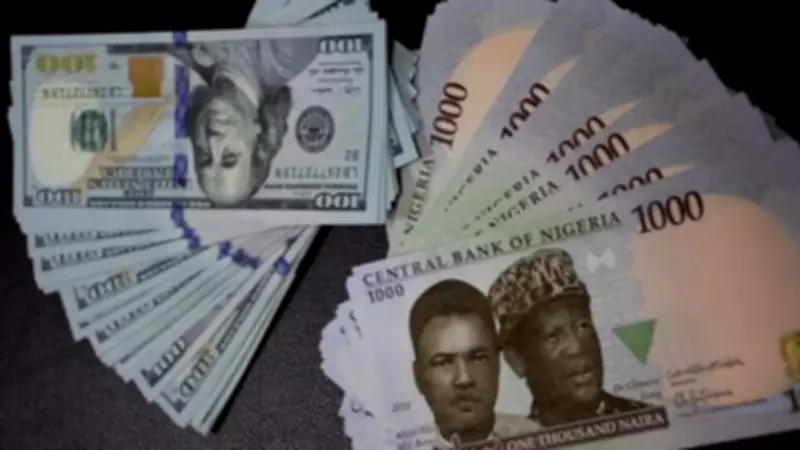
Naira Demonstrates Steady Performance Against US Dollar in February 2026
The Nigerian naira commenced the second week of February 2026 with notable stability against the United States dollar, continuing its recent pattern of resilience in foreign exchange markets. Early trading data from Monday, February 9, 2026, reveals the local currency maintaining firm ground, supported by consistent policy interventions and relatively robust external reserves.
Official Market Shows Modest Appreciation
At the Nigerian Foreign Exchange Market (NFEM), the naira exhibited a slight improvement as the week began, exchanging at approximately ₦1,363.84 per dollar. This represents a modest appreciation from Friday's closing rate of ₦1,366.96 as market activities resumed following the weekend. Trading within the official window remained orderly, with rates fluctuating within a narrow range of ₦1,363.35 to ₦1,363.84 during early trading sessions.
Financial analysts attribute this stability to the Central Bank of Nigeria's ongoing supervision of the Electronic Foreign Exchange Matching System, which has enhanced market transparency and minimized distortions across different market segments. With inflation reported at 15.15% and the Monetary Policy Rate maintained at 27.00% in early 2026, the naira has successfully remained below the psychological ₦1,400 threshold, demonstrating improved monetary policy effectiveness.

Parallel Market Maintains Steady Trading
In the parallel market, the US dollar also traded consistently against the naira. Bureau De Change operators in major urban centers including Lagos, Abuja, and Kano quoted exchange rates ranging between ₦1,440 and ₦1,455 per dollar. While the unofficial market continues to operate at a premium compared to the official window, the disparity has narrowed significantly from the volatile fluctuations experienced toward the conclusion of 2025.
Market participants indicate that demand for foreign currency to facilitate personal travel expenses and small-scale import activities is being adequately met without creating market pressure, thereby reducing speculative trading behaviors. The relatively tranquil market conditions suggest that the Central Bank of Nigeria's strategy of directing substantial corporate demand through official channels is effectively mitigating sudden price surges in the parallel market segment.
Market observers note that the current stability reflects improved foreign exchange management and growing confidence in Nigeria's monetary policy framework. The narrowing gap between official and parallel market rates indicates progress toward exchange rate unification, though challenges remain in sustaining this momentum amid global economic uncertainties.