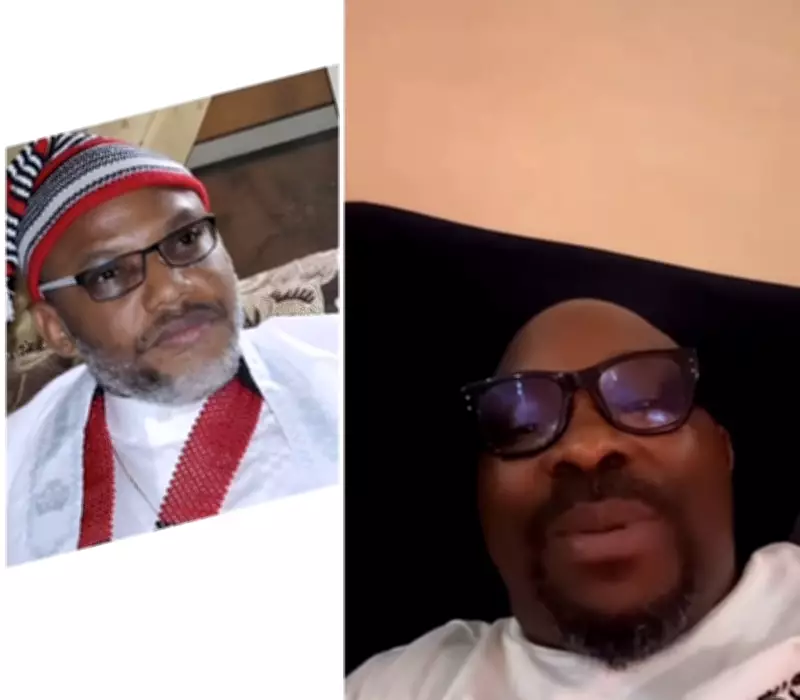
Businessman Isaac Fayose has stirred significant debate with recent comments regarding the political activism and solidarity among Nigeria's ethnic groups. In a video shared widely on social media, Fayose expressed strong opinions about the Igbo community's response to the ongoing detention of Nnamdi Kanu, the leader of the Indigenous People of Biafra (IPOB).
Contrasting Ethnic Responses to Secessionist Leaders
Fayose highlighted a stark contrast between how the Yoruba people have rallied to secure the release of Sunday Igboho, a prominent Yoruba nation agitator, and what he perceives as Igbo inaction regarding Kanu. He noted that Igboho was arrested for advocating the creation of a Yoruba nation but has since been freed through collective efforts, while Kanu remains incarcerated in Sokoto prison without similar visible support from the Igbo populace.
Allegations of Financial Influence and Silence
In his remarks, Fayose suggested that Igbo people are so easy to buy and can be swayed by monetary incentives to align with the interests of those in power. He criticized what he sees as a silence from the Igbo community since Kanu's imprisonment, accusing them of frolicking with the same authorities responsible for his arrest and detention. This statement implies a lack of sustained protest or advocacy from Igbo leaders and citizens, which Fayose contrasts with the proactive Yoruba mobilization for Igboho.

Context of the Comments
The video, originally posted on Linda Ikeji's blog, has sparked discussions on ethnic loyalty and political activism in Nigeria. Fayose's comments touch on sensitive issues related to secessionist movements, with IPOB seeking Biafran independence and Yoruba groups pushing for self-determination. His perspective raises questions about the effectiveness of ethnic solidarity in challenging state actions and the role of financial influence in shaping political stances.
Observers note that such statements can inflame ethnic tensions, especially given Nigeria's diverse population and history of regional conflicts. The comparison between Kanu and Igboho's cases highlights differing approaches to activism and the varying outcomes for secessionist leaders across the country.
Broader Implications for Nigerian Politics
Fayose's critique extends beyond individual cases to comment on broader patterns of political engagement. By alleging that Igbos have forgotten Kanu, he points to potential divisions within the Igbo community or a strategic shift in focus. Meanwhile, the Yoruba success in freeing Igboho is portrayed as a model of effective collective action, though it also involves complex legal and diplomatic maneuvers.
This incident underscores the ongoing challenges in Nigeria's political landscape, where ethnic identities often intersect with issues of justice, freedom, and national unity. As debates continue, Fayose's remarks serve as a reminder of the passionate and sometimes contentious discourse surrounding Nigeria's future and the rights of its diverse peoples.