LASVO's Dr. Adekunle Awolaja Pioneers Public Asset Management Transformation in Lagos
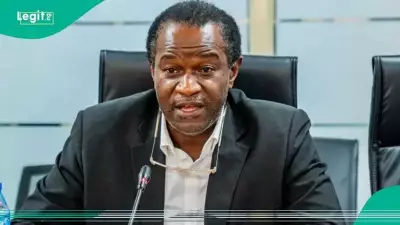
ESV. Dr. Adekunle Awolaja stands at the forefront of a significant revolution in public sector asset management as the visionary leader of the Lagos State Valuation Office (LASVO). This world-class institution is fundamentally reshaping how Nigeria manages public assets through the strategic implementation of cutting-edge technology, adherence to international best practices, and an unwavering dedication to operational excellence.
Technological Foundation Driving Institutional Reform
Under Dr. Awolaja's guidance, LASVO has undergone a complete metamorphosis from a manual, paper-based operation into a sophisticated, data-driven agency. The integration of Artificial Intelligence, Big Data analytics, and cloud-based storage systems has revolutionized how public assets are captured, managed, and reported throughout Lagos State. This technological transformation has been supported by strong executive buy-in from Governor Babajide Olusola Sanwo-Olu's administration, creating an environment where innovation is embedded into daily operations rather than being merely a buzzword.
Strategic Pillars of Transformation
The recognition of LASVO as one of Nigeria's most transformative state agencies stems from three deliberate strategic pillars:

- Technology Adoption: Full embrace of AI for precision valuation, Big Data for infrastructure pattern analysis, and cloud systems for secure, accessible record-keeping
- Institutional Reform: Championing Lagos State's pioneering transition to accrual basis IPSAS compliance, making it the first tier of government in Nigeria to adopt this global standard
- Visionary Leadership Support: Building comprehensive stakeholder engagement involving government officials, professional valuers, engineers, and accountants to ensure collaborative, credible outcomes
Building a Comprehensive Asset Infrastructure
LASVO has developed a dynamic Fixed Assets Register covering extensive public infrastructure including roads, bridges, drainage systems, health facilities, transport networks, and agricultural assets. This register represents a living document that will be continuously updated and integrated into the state's financial systems, creating a legacy that will serve Lagos for generations to come. The office has successfully navigated the challenging transition from decades of manual record-keeping to a fully digitized system through phased implementation and significant investment in staff capacity development.
Economic Impact and Community Contribution
The work conducted by LASVO sits at the very heart of Lagos State's economic governance framework. By accurately valuing public assets, the office provides the essential foundation for informed government decision-making, fiscal sustainability, and effective public service delivery. Current asset valuation phases have the potential to unlock an estimated ₦4.4 trillion in value for the Lagos State Government, resources that can be strategically channeled into poverty reduction initiatives and sustainable development programs.
Future Vision and Strategic Goals
Looking forward, LASVO's primary objective is to complete a comprehensive, fully dynamic Fixed Assets Register covering every sector including health, transport, agriculture, and energy. The agency plans to deepen its integration of AI and data analytics, positioning itself as a model for public sector asset management not only in Nigeria but across the African continent. Through continued stakeholder engagement, institutional capacity building, and strengthened alignment with International Valuation Standards, LASVO aims to support the Greater Lagos agenda with proactive rather than reactive valuation services.
The transformation led by Dr. Awolaja demonstrates that in today's governance landscape, a valuation office that is not technology-driven is simply not fit for purpose. LASVO's commitment to accuracy, transparency, and timeliness in every valuation exercise directly strengthens the state's balance sheet and informs critical fiscal decisions that impact millions of Lagos residents.