Africa's 2026 Public Sector Expansion: The Underlying Structural Vulnerabilities
The year 2026 marks a significant period of expansion across Africa's public sector, with governments across the continent ramping up infrastructure development and digital transformation initiatives. This growth has captured the attention of international investors, policymakers, and development institutions, creating what appears to be a compelling investment narrative. However, beneath this surface momentum lie substantial structural risks that require careful consideration.
The Acceleration of Public Spending Across African Nations
Multiple factors are driving the rapid expansion of public sector activities throughout Africa in 2026. Population growth continues at an unprecedented rate, with urbanization creating urgent demands for improved public services and infrastructure. Simultaneously, global partners are encouraging reforms tied to digitalization, sustainability, and infrastructure development. This combination has resulted in a surge of public investment across critical sectors including transportation networks, energy systems, and social services.
Governments are particularly focused on digital governance initiatives, presenting these programs as evidence of long-term administrative transformation. While these digital projects aim to improve efficiency and reduce corruption, they demand consistent funding streams and institutional discipline that many African governments struggle to maintain.

The Debt-Funded Nature of Public Sector Growth
A critical concern underlying Africa's public sector boom is its heavy reliance on debt financing. Many countries are depending on external borrowing to fund their ambitious expansion plans, creating significant vulnerability to currency fluctuations and interest rate changes. This debt dependency becomes particularly problematic when combined with underdeveloped revenue collection systems that characterize several African economies.
The gap between ambitious spending plans and actual fiscal capacity has led to numerous project delays, scaling back of initiatives, and in some cases complete abandonment of planned developments. These outcomes undermine confidence in public sector efficiency and raise questions about the sustainability of current growth patterns.
Persistent Governance and Institutional Challenges
Institutional capacity remains one of the most significant constraints on Africa's public sector development. Even when funding becomes available through various channels, implementation often falls short due to bureaucratic inefficiencies, weak inter-agency coordination, and limited technical expertise within government structures.
Corruption continues to present a persistent challenge across certain regions, despite numerous reform initiatives. While anti-corruption measures have been introduced in various countries, enforcement remains inconsistent and often ineffective. This governance issue affects not only project outcomes but also investor perception, making it increasingly difficult to attract sustainable capital into public initiatives.
Infrastructure Development: Economic Engine or Financial Burden?
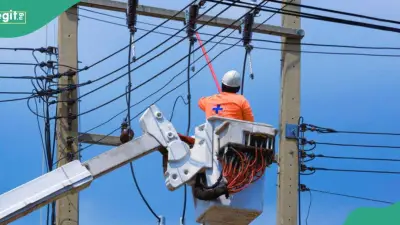
Large-scale infrastructure projects are frequently highlighted as the backbone of Africa's public sector growth narrative. New transportation networks, port facilities, and energy systems are expected to unlock economic potential and improve regional connectivity. However, these ambitious projects come with substantial implementation risks that are often underestimated.
Cost overruns, significant delays, and project mismanagement represent common challenges across the continent. In numerous cases, infrastructure investments fail to generate the expected economic returns, creating increased financial pressure on already-strained public budgets and potentially worsening debt situations.
The Digital Transformation Dilemma and Implementation Gaps
Digitalization initiatives are often presented as comprehensive solutions to Africa's public sector challenges. Governments are investing substantial resources in e-governance platforms, digital identity systems, and online service delivery mechanisms. Despite these significant efforts, the digital transition remains uneven across different regions and sectors.

Limited technological infrastructure, substantial digital literacy gaps among populations, and growing cybersecurity risks complicate implementation efforts. Without proper safeguards and capacity building, digital systems can introduce new vulnerabilities rather than solving existing administrative problems, potentially creating additional governance challenges.
External Influence and Growing Dependency Concerns
Another frequently overlooked aspect of Africa's public sector expansion is the increasing role of foreign partners and international institutions. Global lenders and development agencies play crucial roles in financing major projects and shaping policy frameworks across the continent. While this external support can accelerate development timelines, it also creates significant dependencies that may compromise long-term sovereignty.
Policy decisions increasingly reflect external priorities rather than domestic needs, while mounting debt obligations limit fiscal flexibility for African governments. This dynamic raises important questions about economic resilience and the ability of nations to pursue independent development pathways.
Balancing Ambition with Realistic Assessment
The trajectory of Africa's public sector in 2026 is shaped by both substantial opportunities and significant uncertainties. While increased investment and reform initiatives create potential for meaningful progress, structural weaknesses continue to pose substantial risks that could undermine long-term sustainability.
The fundamental challenge facing African governments involves balancing ambitious development goals with realistic assessments of institutional capacity and fiscal constraints. Strengthening governance structures, improving fiscal discipline, and ensuring that public investments deliver tangible economic returns will be essential for sustaining current growth patterns beyond the immediate boom period.