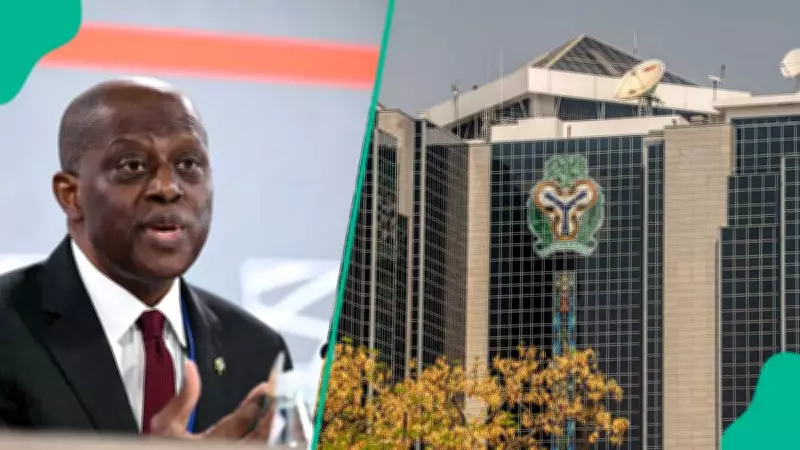
CBN Governor Issues Stern Warning on Election Spending and Liquidity Risks
The Governor of the Central Bank of Nigeria, Olayemi Cardoso, has raised serious concerns about potential threats to Nigeria's recent economic stability. Speaking at the National Economic Council Conference 2026 in Abuja, Cardoso identified two major risk factors that could undermine the country's reform progress: lingering excess liquidity in the financial system and the approaching 2027 general election cycle.
Inherited Economic Challenges and Reform Framework
Cardoso detailed the difficult economic situation his administration inherited, characterized by prolonged loose monetary policy that resulted in multiple challenges. Inflation had soared to 34.6%, while the foreign exchange market faced a backlog exceeding $7 billion. The gap between official and parallel market rates had widened to over 16%, severely eroding investor confidence and discouraging the use of the naira.
The CBN governor explained that previous large-scale interventions, which reached approximately N10.93 trillion, provided only temporary relief while creating long-term complications including excess liquidity and increased liquidity management costs.

Three-Pillar Reform Strategy
Cardoso outlined the current reform program built on three fundamental pillars:
- Orthodox monetary policy adoption featuring an aggressive 875 basis-point increase in the Monetary Policy Rate to combat inflation and gradual withdrawal from quasi-fiscal intervention programs
- Market-driven foreign exchange regime with unified FX rates, price discovery mechanisms, backlog clearance, and enhanced transparency
- Stronger fiscal coordination and systemic resilience including adherence to statutory deficit financing limits and significant reduction in Ways and Means advances to the federal government
Measurable Progress and Achievements
The implementation of these reforms has yielded tangible results according to Cardoso's presentation. Nigeria has recorded GDP growth of 3.98% and achieved a current account surplus of $3.42 billion in the third quarter of 2025. External reserves have climbed to approximately $49 billion as of February 5, 2026, while inflation trends show improvement alongside enhanced banking sector stability.
Perhaps most significantly, the gap between official and parallel foreign exchange markets has narrowed to below 2%, substantially improving confidence in the naira and creating better predictability for businesses and international travelers.
Persistent Risks and Future Outlook
Despite these positive developments, Cardoso emphasized that significant risks remain. Excess liquidity in the financial system and anticipated election-related spending ahead of the 2027 polls represent particularly concerning threats. The CBN governor warned that unchecked liquidity injections during election cycles could potentially reverse the gains achieved through recent economic reforms.
Looking forward, Cardoso presented the 2026–2030 roadmap prioritizing price stability, foreign exchange market normalization, stronger external reserves, banking sector recapitalization, and enhanced financial system resilience. These measures aim to support Nigeria's ambitious goal of becoming a $1 trillion economy.
Coordinated Approach Required
Cardoso stressed that monetary policy alone cannot ensure lasting economic stability. He called for comprehensive fiscal discipline, supply-side reforms, and stronger coordination among institutions to address ongoing challenges including food supply shocks, high energy costs, and infrastructure deficits.
The CBN governor highlighted the critical role of sub-national governments in macroeconomic stability, noting they control more than half of total government revenue and spending. By 2030, the Central Bank aims to achieve single-digit inflation, higher foreign exchange reserves supported by non-oil exports, foreign direct investment and remittances, and a more inclusive, globally competitive financial system.

Cardoso concluded by assuring stakeholders of the Central Bank's continued commitment to its reform agenda while cautioning that sustained focus and vigilance are essential to manage emerging risks and protect Nigeria's economic recovery momentum.