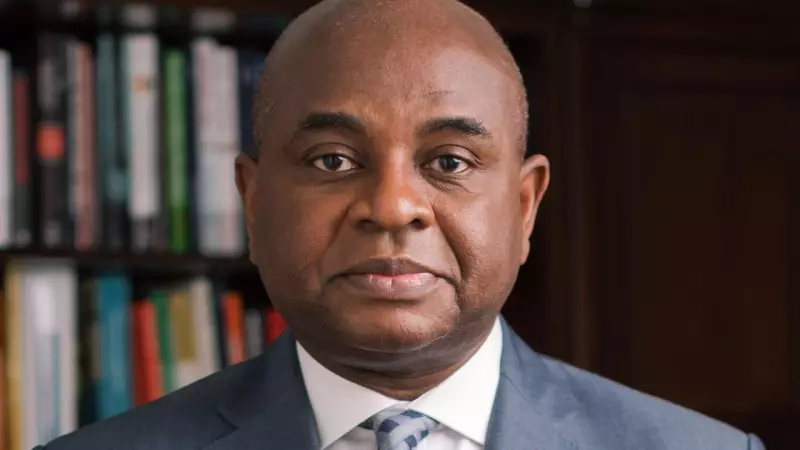
Former Deputy Governor of the Central Bank of Nigeria (CBN), Professor Kingsley Moghalu, has pinpointed crippling debt servicing as the primary anchor holding back Africa's development. Citing alarming fiscal data, Moghalu argues that the continent's progress is being suffocated as governments allocate more funds to repay loans than to vital sectors like healthcare, education, and infrastructure.
The Staggering Scale of Africa's Debt Burden
In a recent social media post highlighting a report by The Africa Report, Moghulu presented a damning statistic: many of Africa's poorest countries now spend more on servicing their debts than on healthcare, education, and infrastructure combined. "Debt is blocking Africa's development, instead of facilitating it," he stated, urging for more prudent borrowing and responsible spending.
This assessment is backed by hard budgetary data from across the continent. Africa's external public debt has seen a steady climb over the past decade, hitting approximately $656 billion in 2022. This colossal sum represents about 28% of the continent's total Gross Domestic Product (GDP).

The cost of servicing this debt has skyrocketed in tandem. In 2024 alone, African nations were projected to pay nearly $90 billion just to service external debts. This marks a severe increase from the levels seen before the COVID-19 pandemic, squeezing national budgets dry.
Fiscal Imbalance and Its Dire Consequences
The spending patterns reveal a clear and dangerous imbalance. Between 2019 and 2023, African governments on average allocated several times more money to debt repayments than to building infrastructure. The situation is even more acute in at least 15 countries, where interest and principal payments exceeded total infrastructure spending.
The social cost is profound. In over 25 African nations, debt service costs were higher than public spending on health. In several others, debt repayments surpassed the entire education budget. This fiscal reality directly translates to poorer social outcomes, with over half of Africa's population in 2023 living in countries where debt servicing outweighed healthcare investment.
Nigeria's case powerfully illustrates this national pressure. Federal budget figures for 2024 show that a staggering 70% of government revenue was earmarked for servicing debt. This massive allocation drastically reduces the funds available for critical capital projects and social services, including hospitals, schools, roads, and power infrastructure.
Changing Debt Structure and Rising Global Rates
Compounding the problem is the fundamental shift in how Africa borrows money. Commercial loans and Eurobonds now make up a much larger portion of external debt compared to two decades ago. By 2022, they constituted over 40% of Africa's external debt stock, a significant jump from about a quarter in 2000.
These commercial instruments typically come with higher interest rates and shorter repayment periods, which balloon annual servicing obligations. The recent surge in global interest rates has intensified this burden, increasing repayment costs on both new and existing variable-rate loans.
This double squeeze has severely reduced fiscal flexibility for governments. The result is that a growing share of national budgets is irrevocably committed to debt servicing, leaving little room for developmental spending. The strain extends to trade, with debt repayments absorbing more than 11% of Africa's export revenues in 2022, limiting the ability to import essential development goods.
Professor Moghalu's analysis underscores a urgent need for strategic fiscal reform. For Africa to unlock its development potential, a critical reevaluation of debt accumulation and a steadfast commitment to channeling resources into productive sectors are non-negotiable.