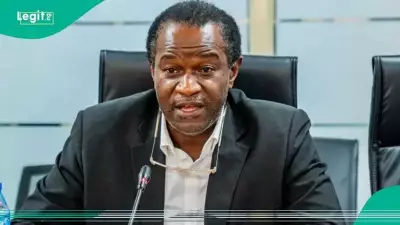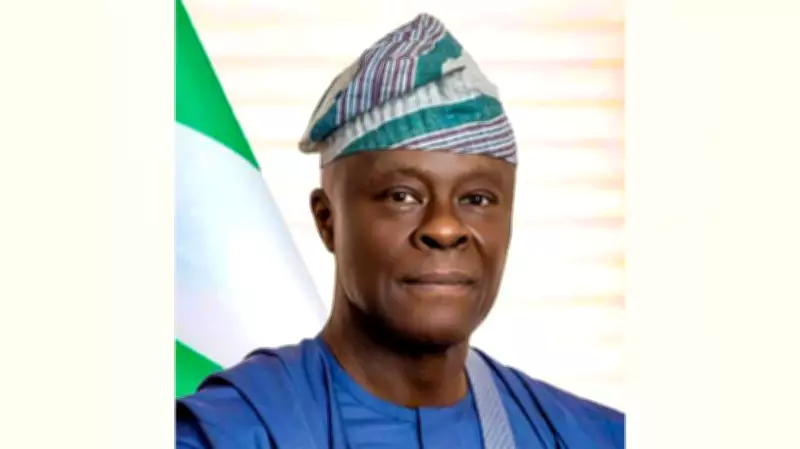
Minister of Finance and Coordinating Minister of the Economy, Wale Edun, has issued a stark warning that geopolitical tensions, disruptions in the energy market, tightening financial conditions, and persistent inflationary pressures are significantly weighing on the momentum of reforms in developing nations. Speaking in his capacity as Chairman at the International Monetary Fund (IMF) and World Bank Spring Meetings held in Washington DC, Edun emphasized these challenges while reaffirming the progress of Nigeria's federal government reforms across key sectors.
Call for Global Financial Reforms
In a statement released by Efe Ovuakporie, Head of the Information and Public Relations Unit at the ministry, Edun argued that the scale of global support must be commensurate with the depth of current crises. He called for expanded access to affordable financing, enhanced liquidity buffers, and far-reaching reforms of the international financial system to better reflect the realities of developing economies. This push aims to create a fairer global financial architecture that supports sustainable growth.
Nigeria's Reform Progress
Despite global uncertainties, Edun maintained that Nigeria's reform drive is beginning to firm up macroeconomic foundations, sharpen policy credibility, and strengthen the country's shock-absorption capacity. He noted that macroeconomic stability remains a decisive factor in attracting investment, highlighting that tighter coordination across fiscal, monetary, and trade policy levers is already yielding more durable economic outcomes and setting the stage for sustained resilience.

Focus on Job-Creating Growth
Beyond stabilization efforts, the minister pointed to a deliberate pivot towards broad-based, job-creating growth. He stated that Nigeria is prioritizing private-sector-led expansion, infrastructure rollout, energy-sector investment, deepened financial inclusion, and human capital development as anchors of long-term transformation. This strategic shift aims to foster inclusive economic progress that benefits all citizens.
Global Leadership and Domestic Commitment
Edun also highlighted Nigeria's use of its leadership position in the G24 to shape global economic discourse, press for equitable outcomes, and reinforce domestic reform efforts through strategic international engagement. Reaffirming the government's policy direction, he stressed Nigeria's commitment to maintaining stability, strengthening resilience against external shocks, and advancing investment-driven growth that generates employment.
He added that despite persistent global headwinds, the federal government remains focused on translating reforms into tangible gains through higher incomes and improved living standards for Nigerians, ensuring that economic policies yield real-world benefits for the population.