Global Crude Oil Crisis Forces Nations to Declare Energy Emergencies
The ongoing conflict in Iran, combined with the effective closure of the vital Strait of Hormuz, has triggered a severe global crude oil crisis. This strategic waterway carries approximately 20% of the world's oil and gas supplies, and its disruption has caused fuel prices to skyrocket over the past month. Governments across multiple continents are now implementing emergency measures to protect their economies and citizens from the escalating energy costs.
United Kingdom's Response to Soaring Fuel Prices
In the United Kingdom, where electricity generation relies heavily on natural gas and renewable sources, petrol prices have reached an 18-month high according to the RAC motoring organisation. The British government has warned it will intervene if petrol retailers are found taking unfair advantage of the crisis, though the Petrol Retailers Association denies such practices are occurring. Additionally, low-income households using heating oil will benefit from a £53 million support package announced by the prime minister in March.
Egypt's Comprehensive Energy Conservation Strategy
Egypt, which depends significantly on imported oil, has introduced multiple temporary measures to reduce fuel consumption and control public spending. Starting next month, shops, restaurants, and cafes must close by 9 PM, while street lighting and roadside advertisements will be dimmed. Hotels and tourist areas are exempt from these restrictions. The government has also mandated that non-essential workers work from home one day weekly to decrease daily commutes. Additional measures include increased petrol prices, higher public transport fares, reduced government vehicle fuel allowances by nearly one-third, and the slowing of energy-intensive state projects.

Australia's Free Public Transport Initiative
Two Australian states are implementing free public transport to discourage driving. Victoria will offer completely free train, tram, and bus services from Tuesday through April, while Tasmania will provide free bus, coach, and ferry services from Monday until the end of June. School buses, typically requiring payment, will also be free in Tasmania, saving regular users approximately A$20 (£10.40) weekly. Australian petrol prices have surged dramatically since the Middle East conflict began, with the national average reaching A$2.38 per litre on March 22, up from about A$2.09 at the war's outset.
Slovenia's Historic Fuel Rationing Measures
Slovenia has become the first European Union member state to implement formal fuel rationing. Under these emergency measures, private motorists are restricted to purchasing a maximum of 50 litres of fuel daily, while businesses and farmers receive a more generous allowance of 200 litres. This represents one of the most direct governmental interventions in fuel distribution among developed nations.
Additional International Responses
Ireland has introduced a €235 million package including tax cuts on petrol and diesel, suspension of the National Oil Reserves Agency levy, and reduced excise on green diesel. The measures also extend heating payments to social welfare recipients for four weeks and lower home-heating oil prices.
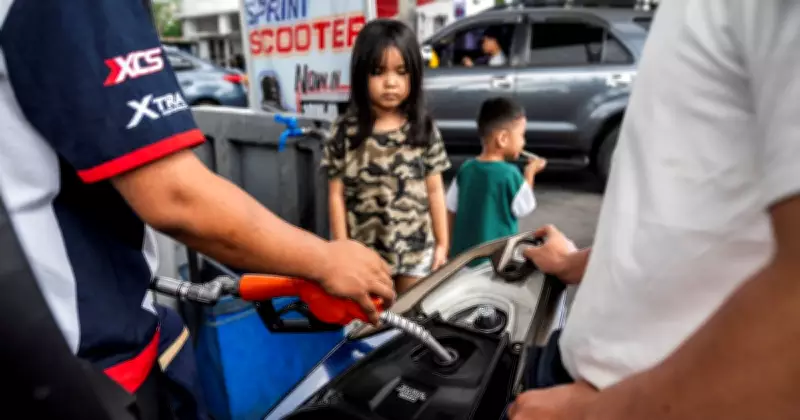
Sri Lanka, still recovering from financial crisis, has declared Wednesdays as public holidays for government institutions and imposed fuel rationing limiting drivers to 15 litres weekly and motorcyclists to 5 litres.
South Sudan has begun electricity rationing in Juba with daily rotational power cuts, despite having significant oil reserves. The country exports most of its crude oil while importing refined products, with 96% of electricity generated from oil according to the International Energy Agency.
Ethiopia has directed fuel suppliers to prioritize security institutions, major government projects, key industries, and essential goods production. The Tigray region has announced a complete halt to fuel supplies amid concerns about renewed civil conflict.

Thailand has launched an unusual energy-saving campaign asking citizens to remove jackets to reduce air conditioning needs. The government recommends keeping air conditioners at 26-27 degrees Celsius and has mandated work-from-home arrangements for government employees.
Philippines has declared a national emergency, offering financial assistance to transport drivers, reducing ferry services, and implementing a four-day work week for government workers. With 98% of oil imported from the Gulf region, diesel and petrol prices have more than doubled. The government plans to stockpile an additional million barrels of oil and is considering further actions.
Vietnam is encouraging citizens to stay home more frequently and promoting bicycle use, carpooling, and public transportation. The government has temporarily eliminated environmental taxes on petrol and diesel and exempted these fuels from value-added tax.
As the Strait of Hormuz disruption continues to pressure global oil markets, nations are demonstrating remarkable adaptability in their emergency responses. From Slovenia's fuel rationing to Australia's free public transport initiatives, governments are implementing diverse strategies to mitigate the economic impact of this unprecedented energy crisis.