A powerful wave of green industrialisation is sweeping across Africa, fundamentally reshaping the continent's economic prospects for 2026 and beyond. According to a significant new analysis by Furtherafrica, this movement is gaining remarkable speed, powered by the creation of new value chains, massive investments in clean power, and strategic focus on critical minerals.
From Raw Materials to High-Value Manufacturing
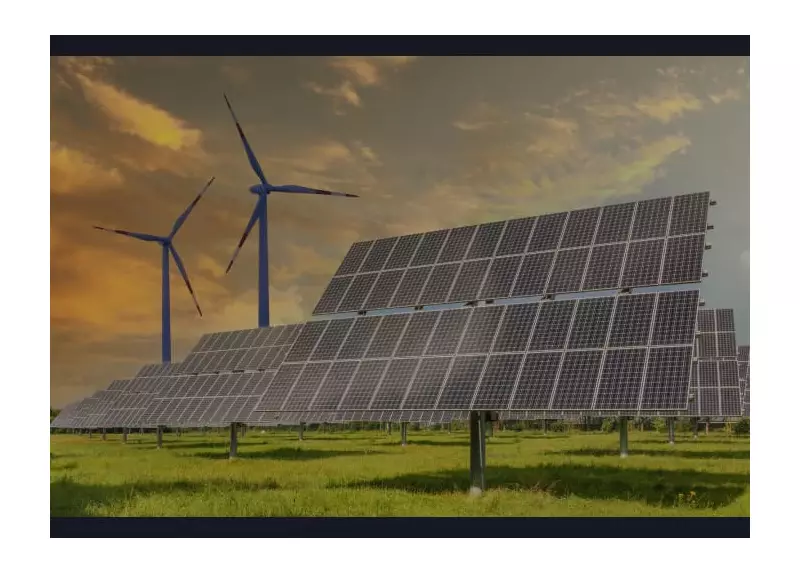
The continent is undergoing a profound economic shift. Africa is moving decisively away from its historical dependence on exporting raw materials and is now focusing on higher-value production within its own borders. This transformation is being fueled by substantial capital flowing into solar, wind, and green hydrogen projects. These renewable energy sources are becoming the bedrock for emerging manufacturing sectors that are closely linked to Africa's vast reserves of critical minerals.
Recent evaluations from major financial institutions like the World Bank and the African Development Bank confirm this trend. They report growing investments directed into renewable energy corridors and processing facilities for essential resources such as cobalt, lithium, manganese, and rare-earth elements. This development is crucial for regional plans to place African economies at the core of global supply chains for low-carbon technologies.

Hydrogen Hubs and Mineral Beneficiation Take Centre Stage
Nations blessed with abundant sunshine and strong winds, like Namibia, Morocco, and Mauritania, are attracting early-stage investments for green hydrogen. Green hydrogen is now anchoring a expanding portfolio of long-term projects across the continent. These initiatives are not just about exporting energy; they aim to stimulate domestic industry by creating integrated hydrogen zones. These zones link clean power generation with downstream applications such as fertiliser production, steel manufacturing, and transport fuels, thereby creating broader economic benefits and jobs.
Simultaneously, the focus on critical minerals is intensifying. Regional hubs are developing coordinated strategies for mineral processing to capture more value before these resources are exported. Support from international bodies like the International Monetary Fund (IMF) is helping governments improve regulatory clarity and strengthen investment frameworks. As global supply chains diversify, Africa's share in producing battery precursors is poised to rise, especially in the southern and eastern regions of the continent.
Integration and Investment Fuel the Transition
The African Continental Free Trade Area (AfCFTA) is proving to be a powerful catalyst for this green transformation. By facilitating the smoother cross-border movement of both raw inputs and finished goods, AfCFTA is integrating industrial corridors. Duty reductions, better customs procedures, and harmonised standards are connecting mineral-rich inland regions with coastal energy hubs. This supports the development of low-emission transport, expands logistics capacity, and encourages cluster development around special economic zones.
International partnerships are deepening. European and Gulf investors are scaling up their ventures, with African partners actively negotiating for technology transfer and local content guarantees. Gulf sovereign funds are also broadening financing options, encouraging long-term commitments to Africa's clean-industry platforms. Partnerships with Asian economies are strengthening as investors seek reliable access to both minerals and renewable energy.
For this positive 2026 trajectory to be sustained, clearer industrial policy and improved regulatory governance remain critical. Governments, often with support from the African Union, are refining frameworks for power procurement, licensing, and local content requirements. These reforms are creating more predictable and attractive conditions for additional capital to flow into vital infrastructure, research, and greener manufacturing facilities.

The powerful convergence of renewable energy, mineral beneficiation, and regional integration indicates that Africa's green industrialisation drive will be central to its medium-term economic transformation. While the next phase demands consistent execution and coordination, the momentum is undeniable as global markets increasingly seek cleaner and more diversified supply chains.