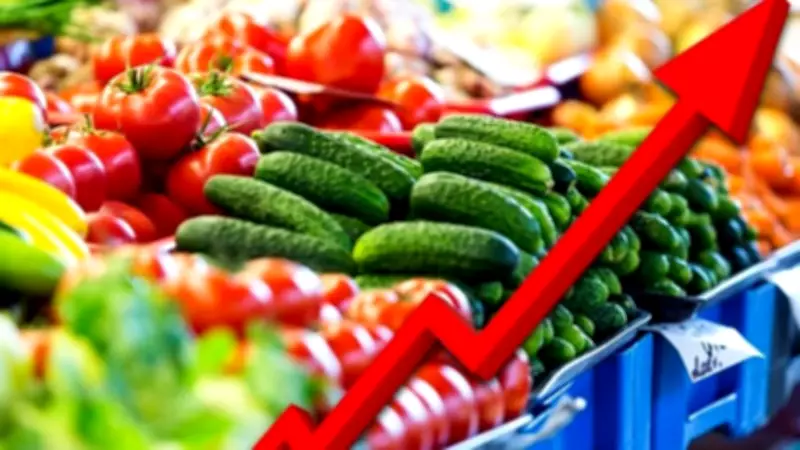
The cost of maintaining a healthy diet in Nigeria has surged by approximately 119 percent since the removal of fuel subsidy in 2023. According to the National Bureau of Statistics (NBS), the average daily cost for an adult stood at N1,541 in March 2026.
Rising costs since subsidy removal
Research by The Guardian indicates that the average cost of a healthy diet (CoHD) was N703 in October 2023. It increased to N742 in November and N786 in December of the same year, reflecting consistent upward pressure on household food costs after the subsidy removal. On a year-on-year basis, the figure rose to N982 in March 2024, N1,498 in March 2025, and N1,541 in March 2026, representing an increase of about 119 percent in less than three years.
Recent trends and regional disparities
The latest CoHD report, produced by the NBS in collaboration with the Global Alliance for Improved Nutrition (GAIN), shows that the March 2026 figure represents a 1.89 percent increase from the N1,513 recorded in February 2026. The report notes that the cost has been rising steadily over the past year, highlighting worsening pressure on household food budgets as inflation continues to affect food access across the country.

The South-East region recorded the highest average healthy diet cost in March 2026 at N1,899 per adult daily, followed by the South-West at N1,801. The North-East had the lowest zonal average at N1,233. At the state level, Ekiti recorded the highest cost at N2,091 per adult daily, followed by Imo at N2,052 and Abia at N1,970. Adamawa had the lowest cost at N1,004, while the Federal Capital Territory and Taraba posted N1,113 and N1,149, respectively.
Components driving the cost
The report reveals that animal source foods remain the most expensive component of a healthy diet, accounting for 39 percent of the total cost while providing only 13 percent of the required calories. Fruits and vegetables are also expensive in terms of price per calorie, contributing 16 percent and 14 percent respectively to the total cost of the healthy diet basket. Legumes, nuts, and seeds are the least expensive food group, accounting for just seven percent of the total diet cost.
Further breakdowns show that the cost of animal source foods increased by 34.15 percent year-on-year, while oils and fats rose by 23.51 percent within the same period.
Methodology and implications
The report explains that the CoHD is calculated using retail food price data gathered monthly from 10,534 sources across urban and rural areas in all states of the federation. This indicator provides insight into food security and can guide government and development partners in designing social protection programmes, agricultural policies, and nutrition interventions.
The report states, "The CoHD provides important information about food access, a key aspect of food security." It adds that where the cost is high, stakeholders can identify the food groups driving the increase and address supply challenges through improved production, distribution, and market access.