Nigerian Keke Rider Shares Success After Switching from Petrol to Electric Tricycle
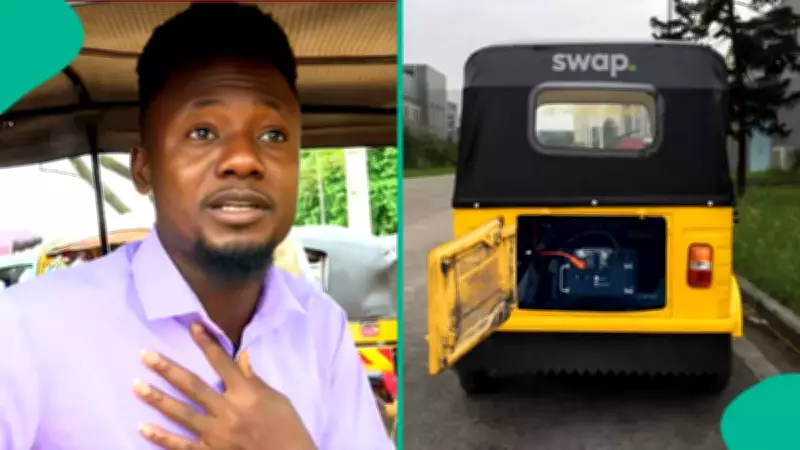
A Nigerian tricycle operator, commonly known as a keke rider, has publicly detailed the significant financial and operational benefits he experienced after converting his petrol-powered vehicle to an electric tricycle. In an exclusive interview with Arise News, the rider explained that his decision was primarily driven by the escalating cost of fuel and the frustratingly long queues at filling stations across the country.
Escape from Fuel Price Volatility and Queues
The rider emphasized that the switch to an electric tricycle has liberated him from the constant worry about fluctuating petrol prices. He no longer needs to monitor fuel costs or endure time-consuming waits at petrol stations. Instead, he simply visits a battery swap station to exchange his depleted battery for a fully charged one, allowing him to resume his daily operations without delay.
"I don’t have to wait for fuel or be bothered about price increases. I just swap my battery and continue working," he stated confidently during the interview. This seamless process has not only saved him valuable time but also reduced the stress associated with managing fuel expenses.

Substantial Profit Increase and Family Support
Financially, the transition has proven highly lucrative. The rider disclosed that a single battery swap, which costs approximately N3,000, can power him through about 14 trips. From these trips, he generates a profit of around N16,000, resulting in a net gain of N13,000 after accounting for the battery cost.
He contrasted this with the struggles faced by operators of petrol-powered tricycles, noting that many now find it difficult to make a meaningful profit due to high fuel costs. He referenced an online video where a rider spent N5,000 on fuel and ended up with a mere N100 profit, highlighting the stark difference in profitability.
"Let's say if you get a battery for N3,000, it will take you like 14 trips, and that's about N16,000 profit. But if you are getting fuel with the current price right now... In fact, I saw a video online where a man bought fuel for N5,000 and he ended up making N5,100," he explained.
Enhanced Quality of Life as a Single Father
As a single father, the rider shared that the increased income from his electric tricycle has significantly improved his ability to support his child. He is now able to comfortably pay school fees and meet other familial responsibilities, which were more challenging with his previous petrol-powered vehicle.
"I’ve been in this business for quite some time, so I’m happy I converted my tricycle into an EV tricycle. I’m a single dad, so I have a child that’s in school. With this EV tricycle that I have, it makes things easier for me. I’m able to take care of my child very well, send his school fees and all of that," he expressed with satisfaction.
Confidence in the Future of Electric Vehicles in Nigeria
Based on his positive experience, the rider expressed strong confidence that electric vehicles will become increasingly common in Nigeria. He believes that more operators will recognize the economic and practical advantages of switching to electric tricycles, especially as fuel prices continue to rise and battery swap infrastructure expands.
His story serves as a compelling case study for the potential of electric mobility to transform the transport sector in Nigeria, offering a sustainable and profitable alternative to traditional petrol-powered vehicles.