Nigerian Lawmakers Advocate for Complete Electricity Subsidy Removal
In a significant move aimed at bolstering government finances, Nigerian lawmakers are actively pushing for the full elimination of electricity subsidies. This proposal comes as part of broader efforts to address fiscal challenges and secure adequate funding for the 2026 national budget.
Senate Committee Calls for Power Sector Reforms
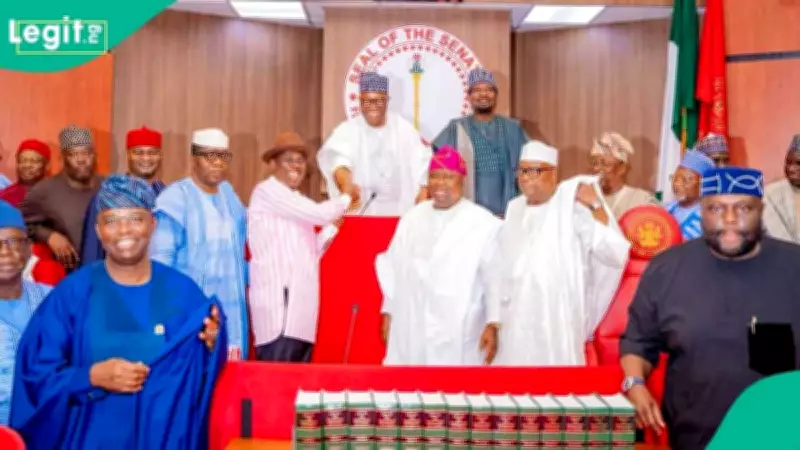
The Senate Committee on Appropriations made this crucial recommendation during a public hearing on the 2026 budget proposal held at the National Assembly on Monday, February 9. Committee Chairman Adeola Olamilekan, representing Ogun West Senatorial District, emphasized that power sector reforms must include terminating electricity subsidies, which he described as placing a substantial burden on public finances.
Olamilekan stated: "We need to finish the unbundling process and fully eliminate electricity subsidies. Although states can now generate power, subsidies still place a heavy strain on public finances and must be tackled to unlock more revenue."

Rationale Behind the Subsidy Removal Proposal
The chairman argued that Nigeria's annual revenue remains insufficient to adequately fund its budget, with continued subsidy payments further widening the fiscal gap. He highlighted that despite constitutional changes allowing states to generate electricity and the unbundling of the power sector, the federal government continues to spend trillions of naira annually to support electricity tariffs.
Olamilekan posed a critical question: "If current revenue cannot support the budget, we need to rethink our approach. Removing electricity subsidies will end trillion-naira payments and allow those funds to be redirected into government revenues to support the budget."
Potential Impact on Consumers and Businesses
For years, the Nigerian government has subsidized electricity to maintain affordable costs for consumers. This policy has come at an annual cost of trillions of naira. Critics warn that eliminating the subsidy could lead to:
- Increased electricity bills for households
- Higher operational costs for businesses
- Potential economic strain on low-income families
Defense of Government Borrowing Plans
During the same hearing, Olamilekan defended the government's strategy to borrow approximately N25.91 trillion to help finance the 2026 budget. He explained that borrowing is a common practice worldwide, even in developed nations, and that Nigeria cannot rely solely on monthly revenues to fund its budgetary requirements.
The senator elaborated: "No government runs without borrowing. Revenue projections do not come in at once. Government must continue to function."
He further detailed that the government plans to raise funds from multiple sources, including domestic banks, capital markets, and international avenues such as Eurobonds, to cover the budget deficit.
Context of Previous Subsidy Removals
This proposal follows the recent removal of fuel and foreign exchange subsidies by the current administration. Finance Minister Wale Edun recently revealed that these decisions have helped Nigeria save approximately $20 billion. He noted that the two subsidies had been draining about 5% of the country's Gross Domestic Product annually.
The 2026 budget, described as a "budget of consolidation," focuses on implementing these reforms. Lawmakers stress that policies must be properly executed and connected to programs that directly benefit Nigerian citizens.