Naira Continues Downward Trend as Official Market Activity Slows
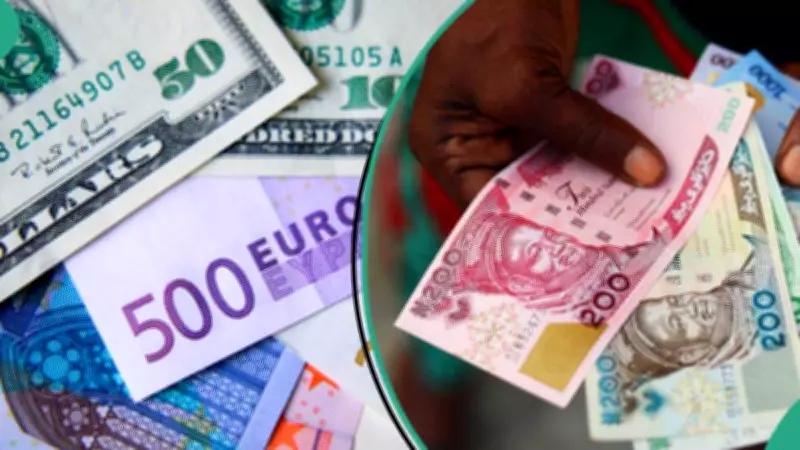
Nigeria's currency faced renewed pressure at the beginning of the week, with the naira experiencing depreciation in the official market alongside a significant drop in foreign exchange trading activity. According to data released by the Central Bank of Nigeria, the naira weakened by 0.22 percent to close at ₦1,383.58 per United States dollar at the Nigerian Foreign Exchange Market on Monday, March 30, 2026.
Reduced Trading Volumes Signal Market Challenges
The currency decline coincided with a noticeable slowdown in trading volumes among authorized dealer banks, indicating reduced liquidity and persistent demand for dollars throughout the financial system. Total foreign exchange turnover decreased substantially to $142.29 million, down from $172.89 million recorded during the previous trading session. The number of executed deals also dropped to 115, compared to 141 deals completed last Friday, underscoring weakening market participation and confidence.
Intraday trading data revealed that the naira fluctuated within a band of ₦1,380 to ₦1,391 per dollar, highlighting continued volatility despite ongoing efforts to stabilize the currency market. This volatility persists even as authorities implement various measures to create more predictable trading conditions.

Parallel Market Mirrors Official Weakness
The pressure on Nigeria's currency extended beyond the official window into the parallel market, where the local currency weakened further to approximately ₦1,425 per dollar. This parallel market depreciation reflects sustained demand from individuals and businesses unable to access foreign exchange through official banking channels. The dual-market depreciation signals that underlying structural challenges, particularly demand-supply imbalances, remain unresolved despite recent policy interventions.
Recent market trends demonstrate that the naira has struggled to maintain earlier gains recorded in February, when improved inflows and stronger reserves briefly supported the currency. By March, however, renewed demand pressures and reduced foreign exchange inflows have triggered fresh volatility across both market segments.
Weekly Performance Shows Broader Currency Weakness
On a week-on-week basis, the naira recorded losses across both official and parallel market segments. At the official window, the currency depreciated by ₦26.67 to close near ₦1,380 per dollar, while the parallel market weakened by over 1 percent to around ₦1,420 per dollar. Despite these declines, the gap between the two markets narrowed significantly to approximately ₦39.42 per dollar, down from ₦51.10, suggesting some level of convergence driven by ongoing foreign exchange reforms and improved price discovery mechanisms.
Financial analysts note that this narrowing spread reflects the Central Bank of Nigeria's continued push toward a unified and more transparent exchange rate system, though challenges remain in achieving full market stability.
External Reserves Experience Modest Decline
Nigeria's external reserves also recorded a modest decline, settling at approximately $49.48 billion. While still relatively strong by historical standards, this dip highlights ongoing pressures on the country's foreign exchange buffers, especially as demand for imports and offshore obligations persists. Earlier in the year, reserves had climbed above $50 billion, supported by policy reforms and increased inflows, but have since eased due to market adjustments and global economic uncertainties.
Global Oil Rally Adds Mixed Signals
In the global oil market, prices surged sharply, driven by escalating geopolitical tensions in the Middle East. Brent crude rose to about $112 per barrel, marking one of the strongest monthly rallies on record, while U.S. West Texas Intermediate also climbed significantly. The rally is linked to the ongoing conflict involving the United States, Israel, and Iran, which has disrupted supply routes and heightened fears over energy security.

For Nigeria, higher oil prices typically translate to stronger foreign exchange inflows through increased petroleum revenue. However, analysts warn that structural constraints, including production challenges and existing crude-backed obligations, may limit the immediate benefits to the foreign exchange market. The country continues to face production issues that prevent full capitalization on global oil price increases.
Market Outlook: Fragile Stability Amid Persistent Demand
The latest market data paints a picture of a fragile foreign exchange environment where modest gains can quickly be erased by demand shocks. While policy reforms by the Central Bank of Nigeria have improved transparency and narrowed rate gaps between official and parallel markets, liquidity challenges and external pressures continue to weigh heavily on the naira.
Until foreign exchange inflows strengthen sustainably and demand pressures ease significantly, the currency is likely to remain volatile in the near term, with both official and parallel markets moving in cautious tandem. Market observers emphasize that structural reforms must continue alongside improved domestic production to reduce import dependency and stabilize the currency long-term.
The naira's performance continues to be closely monitored by investors, businesses, and policymakers as Nigeria navigates complex economic challenges while implementing reforms aimed at creating a more stable and predictable foreign exchange environment.