Naira Maintains Stability in Official Trading Amid Parallel Market Pressures
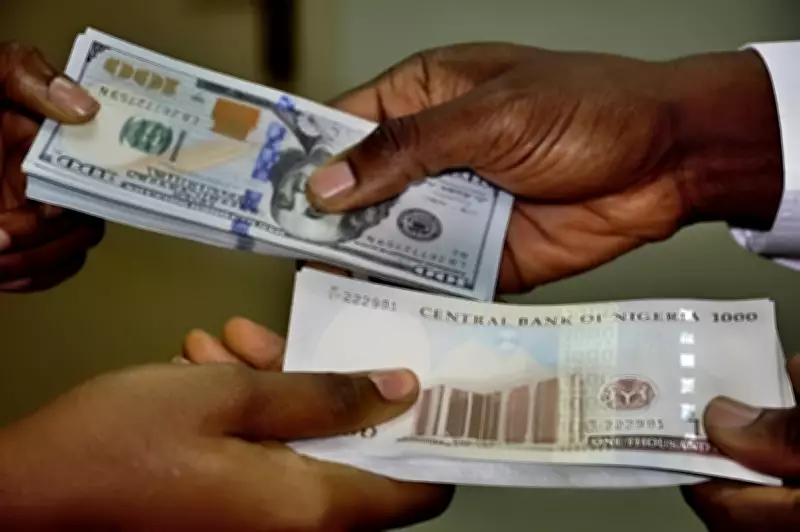
The Nigerian Naira commenced the new trading week on Monday, April 13, 2026, with slight variations against the United States Dollar in both the official and informal foreign exchange markets. In the Nigerian Foreign Exchange Market (NFEM), which serves as the official trading platform, the Naira opened at approximately N1,358.84 per Dollar. Early trading witnessed some volatility, with the rate briefly reaching N1,362.08, but it subsequently consolidated close to its initial level.
Central Bank Interventions Support Official Rate Stability
This relatively steady performance is primarily attributed to the Central Bank of Nigeria's continuous initiatives to regulate liquidity and supervise the banking sector effectively. By implementing strategic measures, the central bank aims to curb excessive fluctuations and foster a more predictable exchange rate environment, which is crucial for economic planning and investor confidence.
Parallel Market Exhibits Higher Dollar Demand and Rates
Conversely, the parallel market, commonly known as the black market, experienced elevated rates due to persistent demand for the US Dollar from individuals and small-scale enterprises. In key commercial centers including Lagos, Kano, and Abuja, currency dealers reported the Dollar trading within a range of N1,460 to N1,485. This disparity highlights the ongoing challenges in aligning informal market dynamics with official benchmarks.

Analysts Monitor Rate Gap and Economic Indicators
Financial experts are closely observing the substantial divergence between the official and informal exchange rates. They emphasize that further convergence will likely hinge on the development of fiscal policies and forthcoming economic data releases. Market participants remain vigilant, as these factors could influence future rate adjustments and overall currency stability.
Global Factors and Domestic Implications Shape Sentiment
General market sentiment is currently characterized by caution, influenced by international developments such as the recent spike in oil prices and geopolitical tensions in the Strait of Hormuz. These external elements contribute to the complex landscape affecting Nigeria's exchange rate. Domestically, the exchange rate's daily movements are a critical determinant for household and corporate budgeting, directly impacting the cost of imported goods and logistical expenses.
While trading volumes indicate a steady environment, financial analysts project that the Naira will likely remain within its existing range for the rest of the trading session. This outlook underscores the importance of monitoring both local economic policies and global market trends to anticipate potential shifts in the currency's performance.