Nepal's New Year 2083: Political Calm Meets Economic Storm
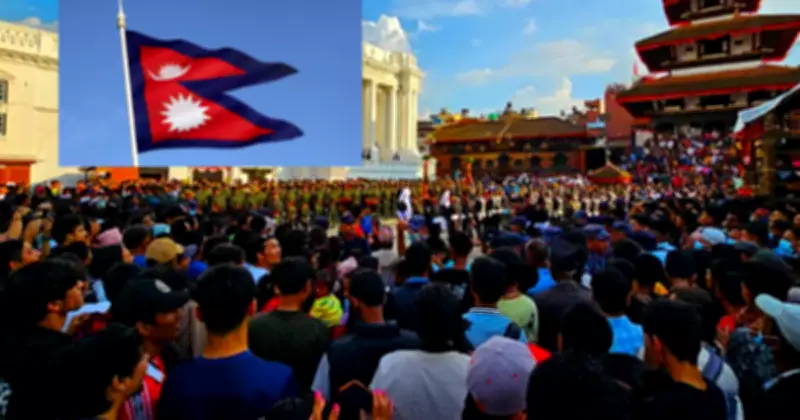
Nepal has officially entered the new year 2083 according to the Bikram Sambat calendar, marking a period of improved political stability but facing significant economic headwinds. Recent political developments, including elections and the formation of a functional government, have created a more stable environment in Kathmandu. Analysts note that this political calm could help reduce the policy instability that has historically hindered economic progress in the country.
The Political Landscape: A Foundation for Progress
Since becoming a republic in 2008, Nepal has experienced frequent leadership changes, often resulting in fragile coalition governments and delayed reforms. The current political developments, however, have generated cautious optimism among observers. A report by New Business Age highlights that the country begins the year with a relatively stable political environment, which could allow the government to focus more consistently on economic policies.
A more stable government in Kathmandu could reduce policy disruptions, but expectations are now shifting toward whether that stability can deliver real economic progress. The calmer political climate represents a significant departure from the turbulence that has characterized Nepali politics for years, potentially creating conditions for more predictable governance.

Economic Challenges: Structural Weaknesses Persist
Despite the improved political outlook, economists warn that Nepal's economy remains fragile and faces multiple challenges. Growth is expected to slow due to weak investment, sluggish private sector activity, and broader global economic pressures. The country's economy relies heavily on sectors such as tourism, agriculture, and remittances sent by millions of Nepali workers living abroad.
While remittances continue to support household incomes and foreign currency reserves, analysts say the country's dependence on overseas employment highlights deeper structural weaknesses in domestic job creation. Labour migration continues to sustain Nepal's economy, but it also underscores the country's struggle to create enough jobs at home.
Private Sector Concerns and Growth Trajectory
Recent economic assessments have pointed to several concerning indicators:
- Declining industrial output across multiple sectors
- Limited credit demand from businesses and consumers
- Cautious investor sentiment about the economic outlook
- Structural weaknesses in domestic employment generation
The country's growth trajectory has fluctuated in recent years due to global shocks, natural disasters, and internal policy challenges. Economists emphasize that without stronger reforms, Nepal could struggle to achieve the higher growth rates needed to sustain development and improve living standards.
Geopolitical Position and Future Prospects
Nepal's geographic location between economic giants India and China presents both opportunities and risks. The country seeks to expand trade and infrastructure links with its neighbors, which could potentially boost economic development. However, this positioning also creates dependencies and vulnerabilities in the regional economic landscape.
For now, analysts say Nepal enters the new year with a mix of cautious optimism and economic uncertainty. Policymakers face increasing pressure to translate political stability into tangible economic progress. The coming months will be crucial for determining whether the current political calm can be leveraged to address the country's persistent economic challenges.
Economic reforms and infrastructure investment will be crucial in the coming months if Nepal hopes to capitalize on its improved political stability and address the structural weaknesses that continue to hinder economic growth. The balance between political progress and economic development will define Nepal's trajectory throughout year 2083 and beyond.