The Federal Government has reaffirmed its dedication to environmental protection with the launch of the Net-Zero Investment Plan in Abuja yesterday. This comprehensive strategy aims to achieve net-zero greenhouse gas emissions by 2060 while fostering sustainable economic growth.
Launch Event Highlights
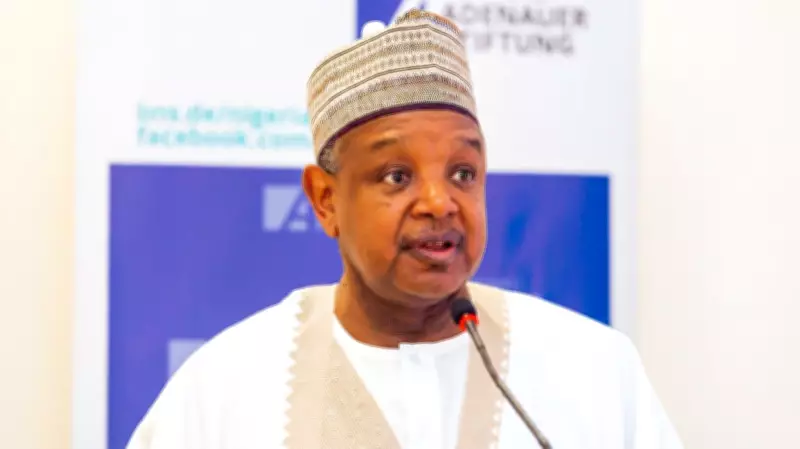
The plan was unveiled by the Minister of Budget and Economic Planning, Senator Abubakar Atiku Bagudu, alongside the Head of International Cooperation at the German Embassy, Dr Karin Jansen. The event drew senior government officials, development partners, and private-sector stakeholders.
Bagudu emphasized that Nigeria is not hesitant to commit to initiatives that may impact the private sector seeking project financing. He acknowledged the support of international partners, particularly Germany, GIZ, and KfW.

Commitment to Environment and Economy
The minister stated that Nigeria is firmly committed to environmental protection, economic growth, and private-sector engagement. He highlighted recent engagements with the German delegation, including agreements to mobilize long-term financing and leverage €71 million in contributions, alongside a €300 million credit guarantee. These efforts underscore the importance of strategic, sustainable funding for Nigeria’s climate and development ambitions.
Bagudu contextualized Nigeria’s environmental and economic priorities within the country’s constitutional framework. Section 20 mandates the state to protect and improve the environment, while Section 13 places responsibility on all government organs to uphold these objectives.
Integration into National Planning
“Nigeria’s Agenda 2050 recognizes that environmental management and sustainability are integral to national planning, not tangential,” Bagudu said, emphasizing the integration of climate responsibility into long-term development planning. He reflected on lessons from past environmental challenges, including resource-related damage in Ogoniland, and noted that Nigeria has now developed regulatory frameworks, technology, and knowledge to ensure sustainable resource and agricultural development.
The minister highlighted initiatives such as solar-powered agricultural pumps and modernized agricultural practices that balance profitability with environmental responsibility. He underscored opportunities to scale up net-zero-emission technologies across sectors, including energy and agriculture.
Private Sector Role
Bagudu reaffirmed Nigeria’s commitment to enabling the private sector to mobilize resources responsibly. “Some of our budget reforms are deliberately aimed at de-risking investments to ensure competitiveness. Each country must tailor programs to its unique economic and environmental circumstances without harming private-sector growth,” he said. He outlined the government’s goal of building a $1 trillion economy that is inclusive, environmentally responsible, and profitable, emphasizing that partnerships with GIZ, KfW, and experts like Dr Karin Jansen make this achievable.