NESG Urges Six Per Cent Economic Growth for Meaningful Reform Impact in Nigeria
The Nigerian Economic Summit Group (NESG) has declared that the current economic reforms can only deliver substantial benefits to the population if they propel the economy to a sustainable growth rate of six per cent. According to the think tank, this level of expansion is essential for lifting people out of poverty and ensuring inclusive development, with particular emphasis on bolstering the agriculture and manufacturing sectors.
Current Growth Insufficient to Alleviate Poverty
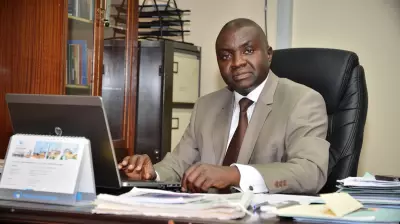
In a presentation focusing on the March 2026 Business Confidence Monitor and the second quarter outlook, Dr. Joseph Ogebe, Head of NESG Research, acknowledged that reform initiatives by the administration have begun yielding positive results. He highlighted improvements in GDP, exchange rate stability, and moderated inflation, noting that Nigeria has transitioned from a crisis era to a phase of consolidating reform gains.
"If you compare our GDP growth in the pre-crisis era in 2023 and what we have now, you will see a big difference. We were doing about 2.5 to 2.9 per cent, but now we have moved up to about 3.9 per cent," Dr. Ogebe stated. However, he cautioned that this three per cent growth is inadequate for poverty reduction, stressing the need for higher, consistent, and broad-based economic expansion.

Sectoral Weaknesses and Job Creation Concerns
Dr. Ogebe pointed out that current growth is driven by only three or four sectors, leaving key areas like agriculture, manufacturing, trade, and construction lagging. "Manufacturing and agriculture grew by just 1.5 per cent and 2.2 per cent, respectively, in 2025. That is poor. These are sectors that have high capacity to actually produce more jobs," he explained. He emphasized that boosting these sectors would improve livelihoods and help lift people out of poverty, but structural weaknesses, including fiscal stress, must be addressed first.
The research expert highlighted that debt service has increased by about 16.7 per cent, underscoring the need to fix fiscal stress to achieve high growth and consolidate macro-stability gains. He strongly advised against policy reversals, such as reintroducing fuel subsidies amid the Middle East crisis, warning that such moves could spell doom for the country. "We cannot afford to go back to the subsidy era, we need to consolidate on the reforms and make sure that some of these gains we've seen trickle down to the ordinary man in the street," Dr. Ogebe asserted.
2026: A Critical Year for Nigeria's Economic Direction
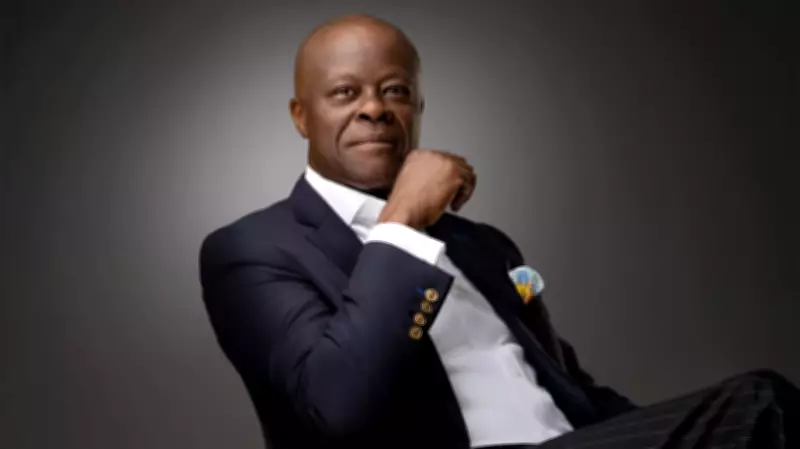
Dr. Olusegun Omisakin, Chief Economist and Director of Research at NESG, described 2026 as a make-or-break year for Nigeria, depending on how the country manages potential windfalls from increased crude oil prices due to the Middle East crisis. He urged that any additional revenue be directed toward critical sectors, infrastructure, and production enhancement rather than recurrent expenditures.
"We should not just spend on recurrent items. The windfall should be directed or targeted at critical sectors, critical infrastructure and to shore up production," Dr. Omisakin advised. He also warned of downsides, expecting prices to rise by one to five percentage points, with PMS and diesel price increases affecting overall product costs due to transportation impacts.
Strategies for Sustainable Growth and Lowering Cost of Living
To consolidate macroeconomic stabilization for sustainable growth, Dr. Omisakin recommended lowering the cost of living by increasing local productivity. He called for agriculture to grow by six to eight per cent and emphasized the critical role of power in development. "You cannot develop without power; power is very critical. We are doing about 5000 MW currently, but we need to move to around 7,000 or 7,500 MW before 2027 as we need this to power our SMEs and industrial sector, particularly manufacturing," he stated.
In summary, the NESG's analysis underscores that while reforms have initiated positive trends, achieving a six per cent GDP growth through focused support for agriculture, manufacturing, and infrastructure is imperative for meaningful impact on Nigerian citizens and inclusive economic development.