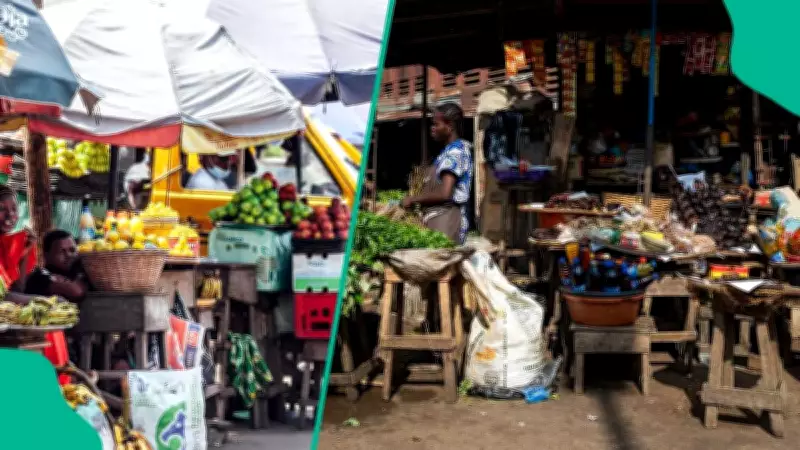
FAO Forecasts Nigeria to Record Highest Food Inflation in Africa for 2026
A comprehensive global food inflation outlook released by the Food and Agriculture Organisation (FAO) projects substantial variations in food price movements across 160 countries in 2026, with several African economies anticipated to experience some of the most pronounced increases worldwide. The report, which has been analyzed by Visual Capitalist and reported by Business Insider Africa, ranks nations based on projected year-on-year changes in food prices, highlighting where households may encounter the most severe cost pressures in the upcoming year.
African Nations Facing the Highest Projected Food Inflation
According to the FAO analysis, Nigeria is expected to record the highest food inflation rate in Africa for 2026, with a projected increase of 17.1%. This places Nigeria at the forefront of food price pressures on the continent, followed closely by Angola at 14.8%. The report indicates that while some advanced economies may see moderating or declining food prices, inflationary pressures remain concentrated in emerging and import-dependent markets, particularly across Africa.
The FAO outlook identifies nine other African countries projected to experience significant food inflation in 2026:

- Zambia – 10.8%
- Ethiopia – 10.1%
- Burundi – 8.8%
- Cabo Verde – 7.2%
- Cameroon – 7.0%
- Kenya – 6.8%
- Somalia – 6.7%
- Tanzania – 6.7%
The FAO emphasizes that countries with high projected inflation, such as Nigeria and Angola, face multiple challenges including heavy import dependence, exchange rate volatility, climate-related shocks, and security concerns, all of which contribute to upward pressure on food prices.
Some African Economies May Experience Food Price Declines
In contrast to the nations facing rising food costs, the FAO outlook reveals that not all African economies are expected to experience increasing food prices in 2026. Several countries are projected to record food price declines, offering potential relief to households in those regions.
Countries forecast to see food price decreases include:
- Niger (-18.1%)
- Liberia (-7.4%)
- Togo (-6.4%)
- Morocco (-2.8%)
- Chad (-2.6%)
- Zimbabwe (-1.7%)
According to the report, these projected declines reflect improved harvests, greater currency stability, easing supply bottlenecks, statistical base effects, as well as monetary and fiscal interventions in some cases. Countries expecting price declines benefit from improved agricultural output, more stable currencies, better-functioning supply chains, or favorable base effects.
Structural Differences Drive Africa's Divergent Food Inflation Trends
The FAO analysis highlights Africa's presence at both ends of the food inflation spectrum, reflecting structural differences across economies. The report suggests that food inflation trends across Africa are increasingly shaped by domestic economic management, agricultural productivity, and climate resilience, rather than global commodity price movements alone.
As 2026 approaches, the outlook indicates that while some households may continue to face rising food costs, others could experience temporary relief, depending largely on local economic and agricultural conditions. This divergence underscores the complex interplay of factors influencing food security across the continent.
Recent Context: Nigeria's Food Inflation Decline
This projection comes against the backdrop of recent data showing Nigeria recorded a sharp fall in food inflation to 8.89%, representing the country's lowest food inflation rate in a decade. The drop offered long-awaited relief to millions of households battling high living costs, with government policies and a stronger naira contributing to reduced staple food prices nationwide.
As published by the National Bureau of Statistics (NBS), state-by-state analysis revealed significant regional disparities in food inflation rates across Nigeria. This historical context provides important perspective on the fluctuating nature of food price dynamics in the region.