Analysis of the £746 Million Nigeria-UK Ports MoU: A Path to Sustainable Infrastructure
The success of the Nigeria-UK financing agreement, valued at £746 million, depends not merely on the capital size but on deployment effectiveness, adherence to project timelines, transparency, and accountability. UK funding can be quicker to disburse and ensures high-quality inputs, but it emphasises British contractors and technology exports, aligning with UK trade priorities. It focuses on project delivery and repayment guarantees, with moderate oversight and limited enforcement of anti-corruption measures.
Comparing Financing Options: UK vs. EU Approaches
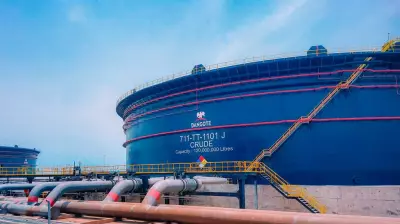
In contrast, the European Union Global Gateway Initiative (EU GGI) offers bureaucratic and slower but more sustainable financing. It prioritises capacity-building, local ownership, long-term sustainability, and good governance, providing grants, concessional loans, and blended finance. It encourages public-private partnerships, ESG compliance, regional integration, and SDG alignment. Green port practices at Onne, including electrification, solar power, and ISO 14001/IFC compliance, could reduce CO₂ emissions by up to 25 percent compared with trucking-dependent Lagos operations, embedding climate resilience against sea-level rise, flooding, and storm impacts.
Strategic Importance of Onne Port and Multimodal Connectivity
EU GGI financing ensures domestic firms can participate, enhancing value retention and reducing tied procurement distortions. Onne Port offers a natural logistics bridge to North-Central and Northern regions via the Onitsha-Lokoja axis. Diverting 20 to 30 percent of cargo from Lagos to Onne could reduce national haulage costs by 15 to 25 percent, lowering consumer prices and inflationary pressures. Underutilisation reflects policy neglect and underinvestment in complementary infrastructure, including inland waterways, intermodal freight systems, and last-mile connectivity.

The Burutu, Onitsha, Lokoja, and Niger inland waterway corridor could transform Nigeria’s logistics into a multimodal network for bulk goods, agricultural produce, and construction materials, requiring relatively modest investments in dredging, navigation aids, barges, and terminals. Strategic investment here represents an opportunity for the Tinubu administration to leave a lasting legacy.
Enhancing Hinterland Connectivity and Economic Impact
A competitive port system requires hinterland connectivity. Integrated investment in ports, rail, and roads ensures seamless cargo evacuation and distribution. Rail links from Onne, Lagos, and Calabar to industrial and consumption centers in the South-East, North-Central, and Northern regions reduce reliance on road haulage, lower freight costs, and improve turnaround times. Upgraded road corridors supporting heavy-duty freight prevent infrastructure deterioration and congestion.
A coordinated framework unlocks economies of scale, enhances supply chain reliability, and positions Nigeria competitively under frameworks such as the African Continental Free Trade Area. Financing transformation need not rely exclusively on tied export credits. The EU GGI provides blended finance, grants, concessional loans, equity investments, and public-private partnership structures for sustainable port modernisation.
Green Port Initiatives and Long-Term Sustainability
Onne Port could become Africa’s first green port, with renewable energy operations, electrified cargo handling, low-emission logistics chains, and climate-resilient infrastructure. EU-backed technical assistance, regulatory reforms, and capacity-building ensure investment aligns with governance, climate resilience, and sustainability frameworks. Integrating Onne Port with the Burutu, Onitsha, Lokoja, and Niger corridor aligns with EU priorities of sustainable transport, regional connectivity, and green infrastructure.
Public-private partnerships with EU guarantees encourage private sector participation while ensuring fiscal prudence and compliance with the Fiscal Responsibility Act and Public Procurement Act. This approach rebalances investment away from Lagos, addresses regional inequities, and fosters inclusive growth, shifting from centralised, congestion-prone logistics to a distributed, efficiency-driven national network.

Potential Outcomes and Policy Recommendations
Prioritising Onne Port and its multimodal linkages, along with operationalisation of the Burutu, Onitsha, Lokoja, and Niger waterways, could deliver three outcomes: immediate reductions in logistics costs, medium-term stimulation of regional industrial and agricultural value chains, and long-term transformation of Nigeria’s trade infrastructure into a globally competitive, sustainable, and resilient system. Emerging port nodes, such as the Oguta-Orashi seaport, could further diversify logistics and provide additional gateways for trade.
Legal compliance and national benefit require tabling the MoU for National Assembly ratification, with clear reporting timelines, independent audits, and alignment with national logistics and port masterplans. Diversified port investment, including Onne, Calabar, and Onitsha, reduces congestion and stimulates regional economic activity. Procurement should enforce minimum Nigerian supplier participation, phased local content integration, technology transfer, and capacity-building programs.
Debt sustainability must be transparently assessed and disclosed to comply with FRA obligations. ESG integration, including environmental impact assessments and community engagement, is essential for long-term viability. The Nigeria-UK MoU promises modernised infrastructure and improved trade efficiency, but Lagos-centric investment, tied procurement, limited local content, and incomplete legal compliance present governance, fiscal, and industrial risks.
Comparative Analysis and Future Scenarios
Comparative analysis of Lagos, Onne, Calabar, and Onitsha illustrates potential efficiency gains and cost savings foregone by neglecting other strategic nodes. Inclusive, sustainable, and legally compliant outcomes require legislative ratification, transparent procurement, diversified investment, robust oversight, local content enforcement, ESG integration, and multimodal connectivity. Without these measures, the MoU risks serving foreign industrial interests at Nigeria’s expense.
Coordinated execution with EU GGI support could instead herald a new era of port modernisation, regional trade facilitation, and sustainable infrastructure development. Scenario analysis highlights potential outcomes: under a best-case scenario, Lagos and Onne ports could operate with integrated multimodal corridors, reducing logistics costs by up to 25 percent nationally, boosting industrial competitiveness, and generating thousands of jobs.
A worst-case scenario, with Lagos-centric investment and tied procurement, risks congestion, inflated costs, and suppressed domestic industrial participation. Policy alternatives include blending UKEF funding for rapid port modernisation with EU GGI financing to enhance local content, implement green port standards, and strengthen multimodal logistics.
Recommendations and Human Impact
Recommendations extend to the National Assembly for ratification, the Ministries of Transportation and Finance for coordinated planning, and the Nigerian Ports Authority and National Inland Waterways Authority for operational oversight. PPP or blended finance structures could include private sector participation in inland waterways, electrified port operations, and rail cargo handling concessions.
Engaging narratives illustrate human impact: a trader moving goods from Onne to Aba experiences a 40 percent reduction in transport costs compared with Lagos routes, while northern smallholder farmers gain faster, cheaper access to coastal export markets. Such contrasts underscore the potential real-world benefits of strategic, regionally balanced, and sustainable port development.
Concluded. Prof. Uba is a development economist and chairman of the Board, ACUF Initiative for Policy and Governance, with extensive experience in infrastructure finance, public sector policy, and industrial development.