The Nigerian Paradox: Statistical Growth Versus Human Suffering
Recent discourse surrounding President Bola Ahmed Tinubu's economic reform program has centered on the impressive numbers being circulated by government officials and international agencies. The president himself has emerged as the most vocal advocate for his administration's policies, presenting a compelling case that could disarm even the most critical economist. From the technocratic perspective of institutions like the Central Bank and Ministry of Finance, Nigeria appears to be undergoing a necessary transformation.
The Elitist Numbers Game
On paper, Nigeria's economic indicators show promising signs. Foreign reserves are stabilizing, diaspora remittances continue flowing steadily into national coffers, and banking consolidation initiatives promise a more robust financial architecture. The ledgers in Abuja hum with clinical precision, suggesting a country methodically executing a rigorous economic makeover.
However, this statistical narrative collapses when confronted with ground realities. Walk through the bustling markets of Ibadan or the rural stretches of Oyo East, and you'll discover that these "elitist figures" carry the weight of ghosts. The bread hawker struggling to survive or the farmer tending parched land does not consume Gross Domestic Product. Children cannot be fed on news of narrowed fiscal deficits.

The Stark Poverty Reality
For ordinary Nigerians, the current economic trajectory presents a painful paradox: while macroeconomic indicators appear to mend, household welfare continues hemorrhaging. Poverty rates have climbed steeply from 40% in 2018 to a crushing 63% by early 2026. This alarming increase persists despite recent moderation in inflation, highlighting a persistent disconnect between policy shifts and actual living conditions.
An estimated 129 to 140 million Nigerians currently live in poverty, experiencing multidimensional deprivation that extends beyond low income to include lack of access to clean energy, sanitation, and healthcare. Nigeria now hosts nearly 13% of the global population living in extreme poverty, representing what economists dread but politicians often ignore: growth without development.
Structural Failures Driving Disconnection
The fundamental flaw in Nigeria's reformist zeal lies in its obsession with numbers. Growth rates are paraded as trophies while ignoring the hollowed-out labor market where over 90% of workers remain trapped in informal, precarious employment. Educated youth face chronic underemployment, their potential curdling into frustration as opportunities evaporate.
This disconnect stems from catastrophic underperformance in the two sectors that should drive inclusive growth: agriculture and manufacturing. In agricultural heartlands, insecurity has transformed fertile soil into graveyards of ambition. Farmers cannot plant safely, and harvested crops often cannot reach markets due to broken supply chains, resulting in food inflation that makes basic meals unaffordable luxuries.
Meanwhile, the manufacturing sector gasps for survival, strangled by astronomical lending rates and an unreliable power grid that remains more myth than utility. If the Tinubu administration genuinely intends to bridge the chasm between boardroom statistics and breakfast table realities, it must confront four systemic weaknesses.

Four Critical Challenges Requiring Immediate Attention
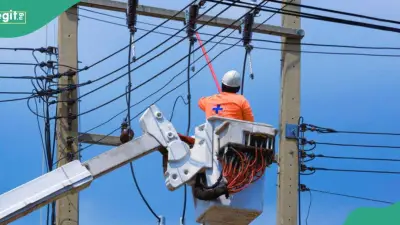
- Power Infrastructure: No nation can industrialize on a diet of darkness and diesel generators. Manufacturing cannot compete globally when significant overhead is spent on self-generated power. Nigeria must move beyond periodic grid collapse headlines and decentralize energy production to ensure small-scale industries can operate reliably.
- Security for Food Production: Food security cannot exist without physical security. The displacement of farming communities in northern and middle belt regions represents an economic catastrophe masquerading as a security challenge. If rural roads remain unsafe, agricultural products cannot reach urban markets, keeping prices high and rural populations destitute.
- Accessible Credit Systems: Current interest rates create insurmountable barriers for Nigerian entrepreneurs. When borrowing costs become prohibitive, innovation dies in its cradle. The country needs a credit regime that distinguishes between speculative trading and productive manufacturing, providing bridges rather than walls for small and medium enterprises.
- Transparent Governance: Perhaps the most cynical hurdle involves revenue distribution. If increased government revenues disappear into private pockets during distribution from federal to local levels, reforms become meaningless lies. Transparency must evolve from slogan to mechanism, ensuring gains reach primary healthcare centers and village schools rather than being intercepted.
The True Measure of Economic Success
The "Nigerian Paradox"—the widening chasm between soaring macroeconomic indicators and plummeting quality of life—demands urgent attention. The current administration must recognize that the "street" serves as the only true auditor of economic success. Ordinary citizens care about garri prices, reliable electricity, and whether education will lead to employment.
Statistics provide useful planning tools but poor substitutes for meals. Nigeria can post impressive macroeconomic gains across West Africa, but if 140 million people remain left behind, those numbers represent not just insufficiency but indictment. The country needs reforms that function in Lagos markets and Benue farms, not just PowerPoint presentations in Washington or London.
Until Nigeria addresses structural weaknesses in power, security, credit, and corruption, it merely perfects the art of running in place. Data fails the population, and this failure becomes visible within the data itself. In the final audit of the Tinubu era, the only numbers that will matter are bread prices in villages and cement costs in towns that finally have electricity. Numbers alone prove insufficient; the time has come for people to truly count.