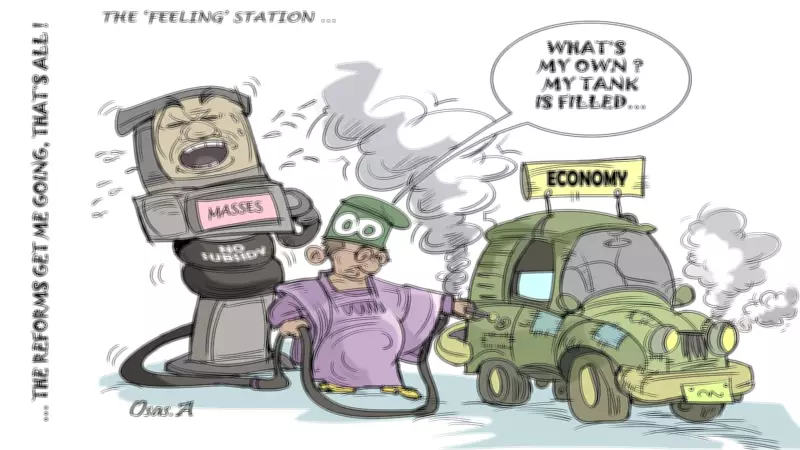
The Guardian newspaper recently published a cartoon that offers a satirical take on Nigeria's ongoing economic difficulties. The illustration captures the frustration of ordinary citizens as they grapple with rising inflation, high unemployment rates, and the devaluation of the naira.
Key Economic Issues Highlighted
The cartoon uses visual metaphors to depict the harsh realities faced by Nigerians. It shows a family struggling to afford basic necessities, with prices skyrocketing while incomes remain stagnant. The image also references the government's policies, which many critics argue have failed to alleviate the economic strain.
Inflation and Cost of Living
Inflation in Nigeria has reached double digits, eroding purchasing power and making it difficult for families to make ends meet. The cartoon underscores how the cost of food, transportation, and housing has become a burden for the average citizen.

Unemployment and Joblessness
Unemployment, particularly among the youth, remains a critical issue. The cartoon portrays a queue of job seekers, highlighting the scarcity of opportunities and the frustration of a generation that feels left behind.
Currency Devaluation
The naira's depreciation against major currencies is another focal point. The cartoon illustrates how the weakening currency affects imports, drives up prices, and complicates business operations.
Public Reaction
The cartoon has resonated with many Nigerians who see their own experiences reflected in the imagery. Social media users have shared the cartoon widely, using it as a tool to voice their discontent with the current economic situation.
However, some critics argue that while the cartoon highlights the problems, it does not offer solutions. They call for more constructive dialogue on how to address these deep-seated issues.
Conclusion
Cartoons like this serve as a powerful medium for social commentary, capturing the public mood in a way that is both accessible and impactful. As Nigeria continues to face economic headwinds, such artistic expressions remind policymakers of the human cost of economic mismanagement.